Get inside the athlete's brain, explore First Nations science and go stargazing at National Science Week 2026 - Department of Industry Science and Resources
This story deserves to be shared
Send it to someone who'd care, or post it on your networks.
This article is an excerpt. To read the full content, visit the original source. Department of Industry Science and Resources
Related articles

Here are the best ways to use stargazing apps - Space
There are plenty of stargazing apps out there and if you want to make the most of them we've got you covered.
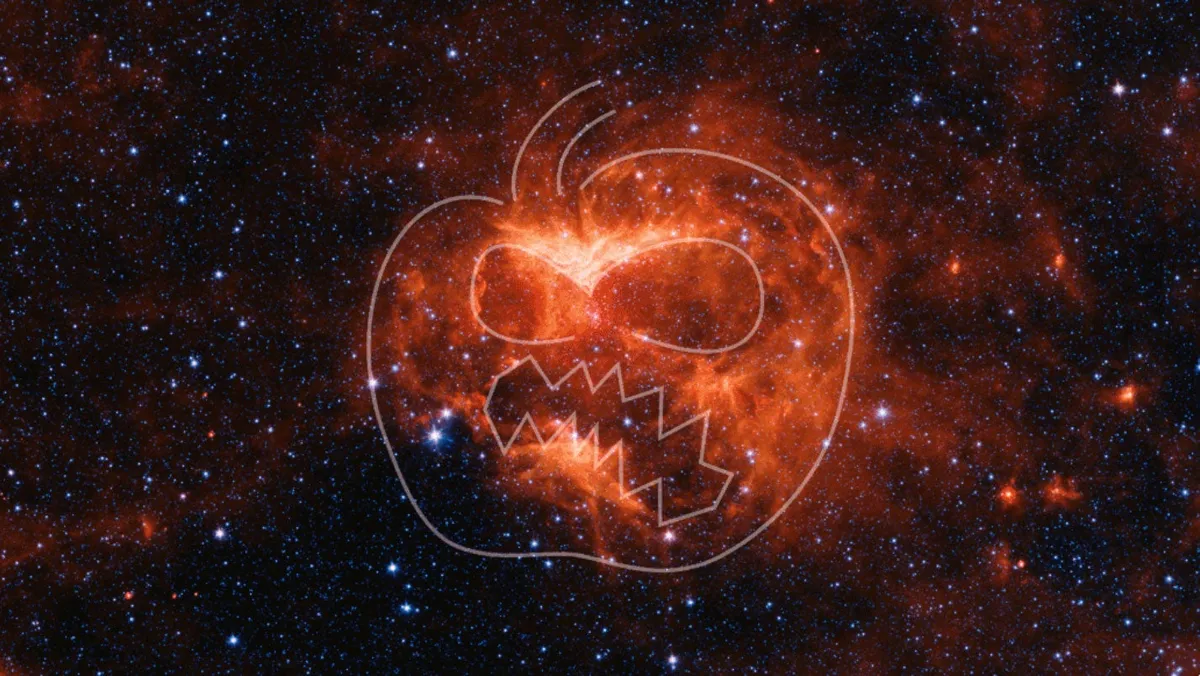
A ghoul, a witch and a jack-o-lantern: spooky stargazing for October skies
Spooky nebulas and the blinking Demon Star haunt October’s skyThe nebula of a witch and her broom, a ghoulish demon star and a celestial jack-o'-lantern? All of these haunting sights are in the sky now, just in time for Halloween. Here's your guide to some spooky stargazing and space facts for the month of October. Using the constellations Cassiopeia and Andromeda, locate Perseus. You can find Algol by using the star Almach as a guide.(NASA/Stellarium)The Ghoul or Demon StarAlgol, a name for a star scary enough on its own. But knowing it also goes by the "Demon Star" or "The Ghoul"? That's chilling. Early astronomers gave this star its name as a nod to the mythic Medusa, a snake-haired monster whose gaze turned anyone who looked at her into stone. Algol is actually a triple-star system — with two of the three stars orbiting one another. That's how it gets its signature "blinking" feature, appearing brighter and dimmer at different times.(MORE: El Niño is playing trick-or-treat with your Halloween forecast)Get More of Our News on GoogleSet The Weather Company as a 'Preferred Source' to get quicker access to the news you value. This is one you can spot with the naked eye.
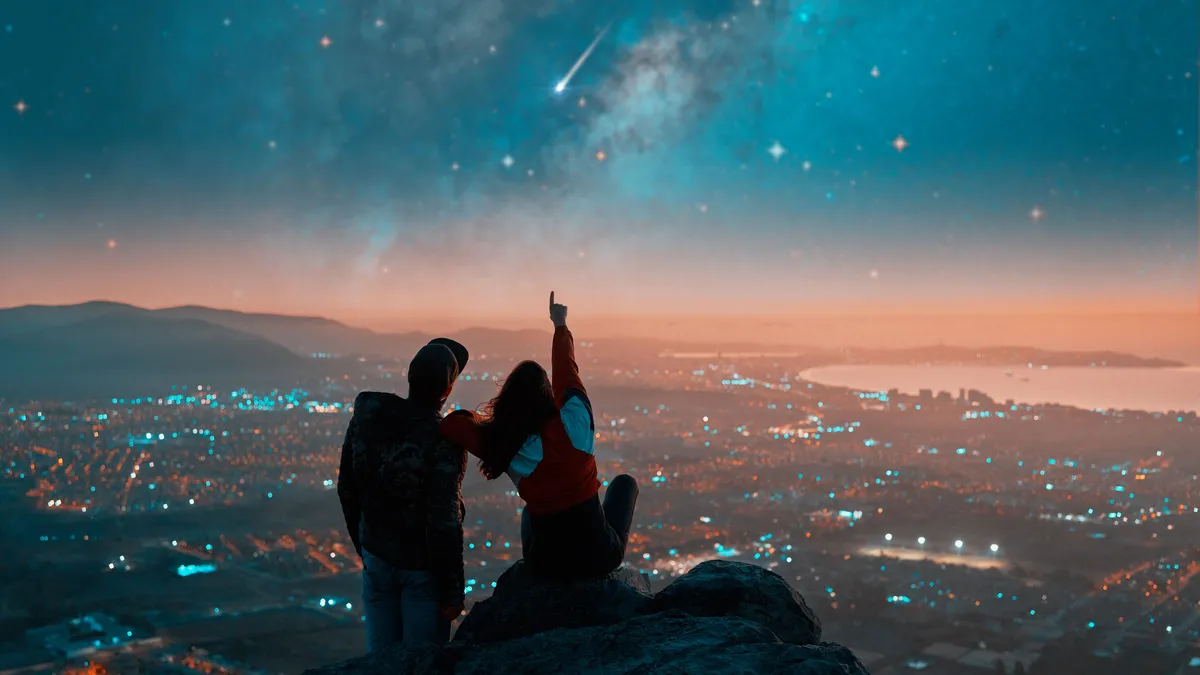
Tips for urban stargazing when the city sky won't go dark
How to spot more stars in a light-polluted city skyA bright nighttime sky — whether lit by a full moon, streetlights or city light pollution — is a skywatcher's worst enemy. So, what can you do about it? Here are a few tips for looking up when viewing conditions are less than ideal. Use a light pollution mapA light pollution map can help you find pockets in your area with darker skies. This interactive global map uses VIIRS satellite data to show exact light pollution levels in any neighborhood. DarkSky also has a list of urban night sky locations — maybe one on that list is near you. Look for specific celestial targetsSome objects in the sky are easier to see than others when the sky is brighter. Get More of Our News on GoogleSet The Weather Company as a 'Preferred Source' to get quicker access to the news you value. These online resources from The Astronomical League’s Urban Observing Program can help: One focuses on deep-sky objects and another on double and variable stars.(MORE: Wishing on a star: the best way to watch a meteor shower)These curated lists of celestial targets are specifically chosen because they can be spotted even under bright suburban skies.
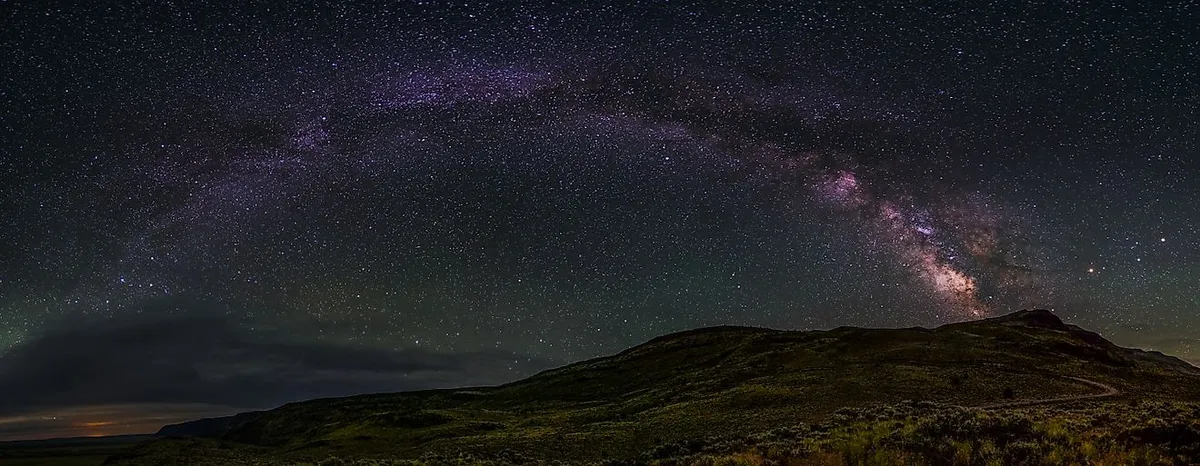
The American Mountains With The Darkest Night Skies - WorldAtlas
More than 99% of the US population lives under light-polluted skies, according to a 2016 study published in Science Advances. With streetlights, brightly lit parking lots, arenas, and passing headlights brightening the night, it can be easy to forget how dark the sky actually is and how many stars appear when you get away from populated areas. Seeing that many stars for the first time can make you pause and remember where you truly are. You are on a rock spinning through space, surrounded by a universe filled with stars, planets, and galaxies larger than anything you can imagine. A remote mountain excursion can combine a dark sky encounter with a day of hiking and sightseeing. After sunset, bright stars emerge above the slopes and ridgelines. These American mountains lie within officially designated dark sky locations that protect natural darkness and the views of the universe it reveals. In northeastern New Mexico, Capulin Volcano sits among volcanic cones, mesas, and buttes in one of the darker areas of the lower 48 states. These landforms help shield the night sky from distant lights, while the rugged terrain has discouraged development in the area.
What’s Happening in Space Policy October 18-24, 2026 - Space Policy Online
Here is SpacePolicyOnline.com’s list of space policy events for the week of October 18-24, 2026 and any insight we can offer about them. The House and Senate are in recess, except for pro forma sessions, until after the midterm elections. This week has two especially interesting events — the launch of JAXA’s Martian Moons eXploration (MMX) mission tomorrow (Monday) afternoon EDT, and a NASA update on the Artemis program on Friday — plus many others. We’re also keeping track of the discussions on social media about the very close approach of Russia’s Kosmos 2612 to the U. S.-registered ICEYE X36 Synthetic Aperture Radar (SAR) satellite.
0 comments
No comments yet. Be the first to share your thoughts!