A ghoul, a witch and a jack-o-lantern: spooky stargazing for October skies
This story deserves to be shared
Send it to someone who'd care, or post it on your networks.
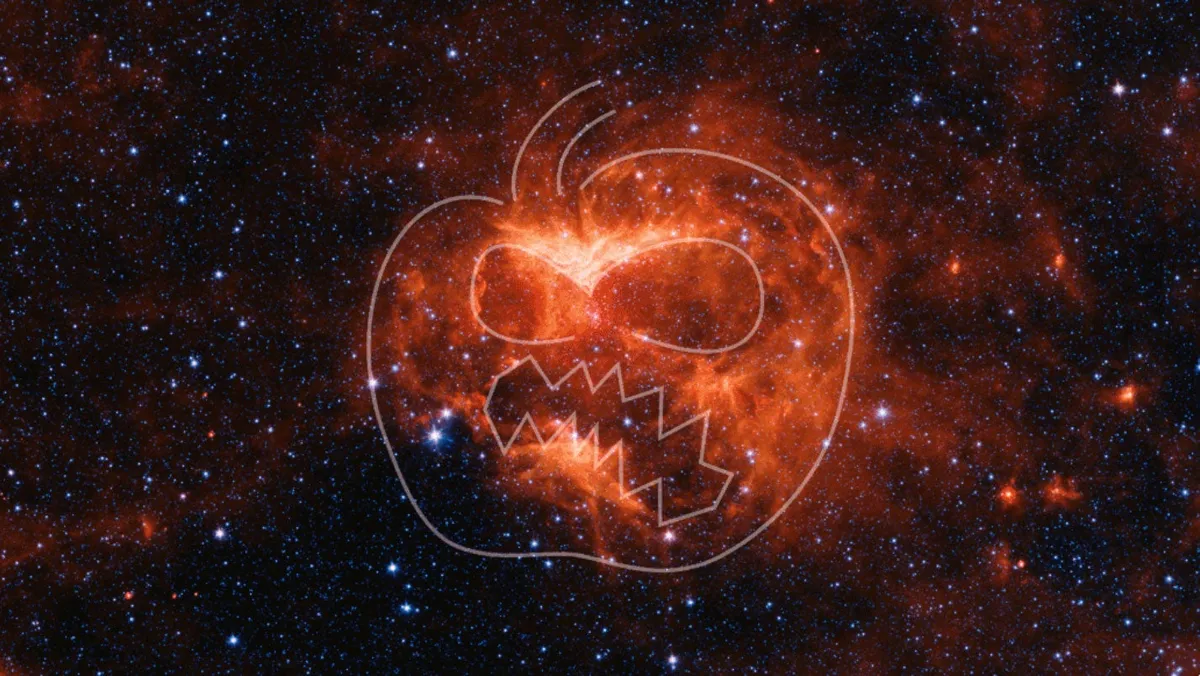
Spooky nebulas and the blinking Demon Star haunt October’s skyThe nebula of a witch and her broom, a ghoulish demon star and a celestial jack-o'-lantern? All of these haunting sights are in the sky now, just in time for Halloween. Here's your guide to some spooky stargazing and space facts for the month of October. Using the constellations Cassiopeia and Andromeda, locate Perseus. You can find Algol by using the star Almach as a guide.(NASA/Stellarium)The Ghoul or Demon StarAlgol, a name for a star scary enough on its own. But knowing it also goes by the "Demon Star" or "The Ghoul"? That's chilling. Early astronomers gave this star its name as a nod to the mythic Medusa, a snake-haired monster whose gaze turned anyone who looked at her into stone. Algol is actually a triple-star system — with two of the three stars orbiting one another. That's how it gets its signature "blinking" feature, appearing brighter and dimmer at different times.(MORE: El Niño is playing trick-or-treat with your Halloween forecast)Get More of Our News on GoogleSet The Weather Company as a 'Preferred Source' to get quicker access to the news you value. This is one you can spot with the naked eye.
This article is an excerpt. To read the full content, visit the original source. The Weather Channel
Related articles
Tips for urban stargazing when the city sky won't go dark
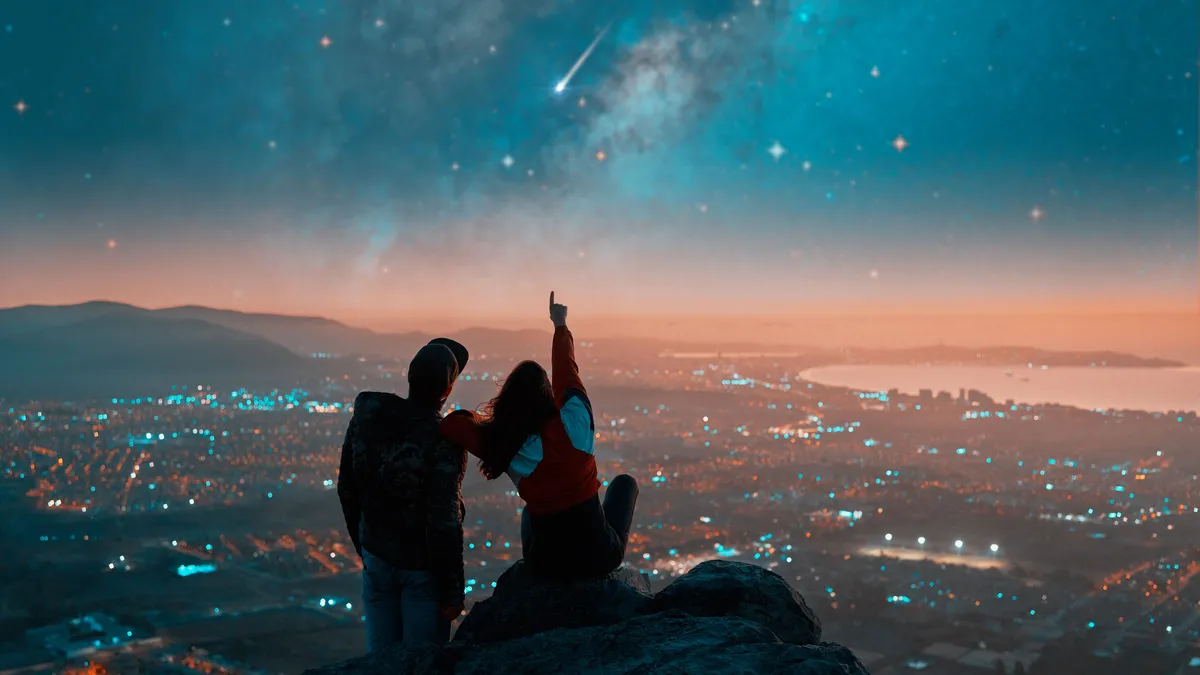
How to spot more stars in a light-polluted city skyA bright nighttime sky — whether lit by a full moon, streetlights or city light pollution — is a skywatcher's worst enemy. So, what can you do about it? Here are a few tips for looking up when viewing conditions are less than ideal. Use a light pollution mapA light pollution map can help you find pockets in your area with darker skies. This interactive global map uses VIIRS satellite data to show exact light pollution levels in any neighborhood. DarkSky also has a list of urban night sky locations — maybe one on that list is near you. Look for specific celestial targetsSome objects in the sky are easier to see than others when the sky is brighter. Get More of Our News on GoogleSet The Weather Company as a 'Preferred Source' to get quicker access to the news you value. These online resources from The Astronomical League’s Urban Observing Program can help: One focuses on deep-sky objects and another on double and variable stars.(MORE: Wishing on a star: the best way to watch a meteor shower)These curated lists of celestial targets are specifically chosen because they can be spotted even under bright suburban skies.
I Watched 2011's 'Green Lantern' After 'Lanterns.' It’s Still Bad. - Men's Health
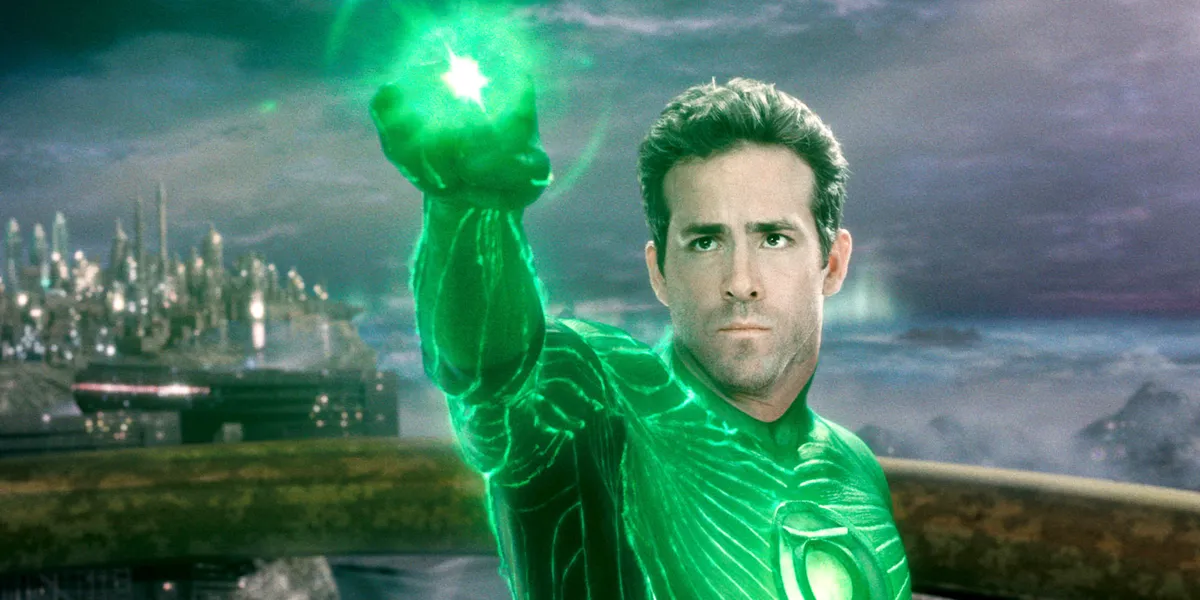
I’VE FOUND A lot of ‘hidden gem’ movies through the years. As any devout connoisseur of film will tell you, even if you see just about everything, it’s still not everything—there’s always stuff that will slip through the cracks. And so it creates the opportunity for discovery. The opportunity to find something that you always heard was good, but never got the chance to see. The opportunity to watch something thought to be terrible, but that you can go against the grain and find merit in. The opportunity to pick up on something that was dismissed at the time, but later proven to be more-than-worthy—“ahead of it’s time,” as the phrase often goes. One of my favorite discoveries of recent years has been the Josie and the Pussycats movie from 2001. As a kid of the ’90s and early 2000s (and one with a younger sister), my eyes were often glued to Cartoon Network, and so the Josie and the Pussycats cartoon was a common sight in my house. I was aware of the film, but for most of my life also knew of its reputation as a box office bomb with middling reviews. But the tide turned in recent years, and word of its sly genius crept into my world.
Lantern festival lights up the night for World Rivers Day - Langley Advance Times
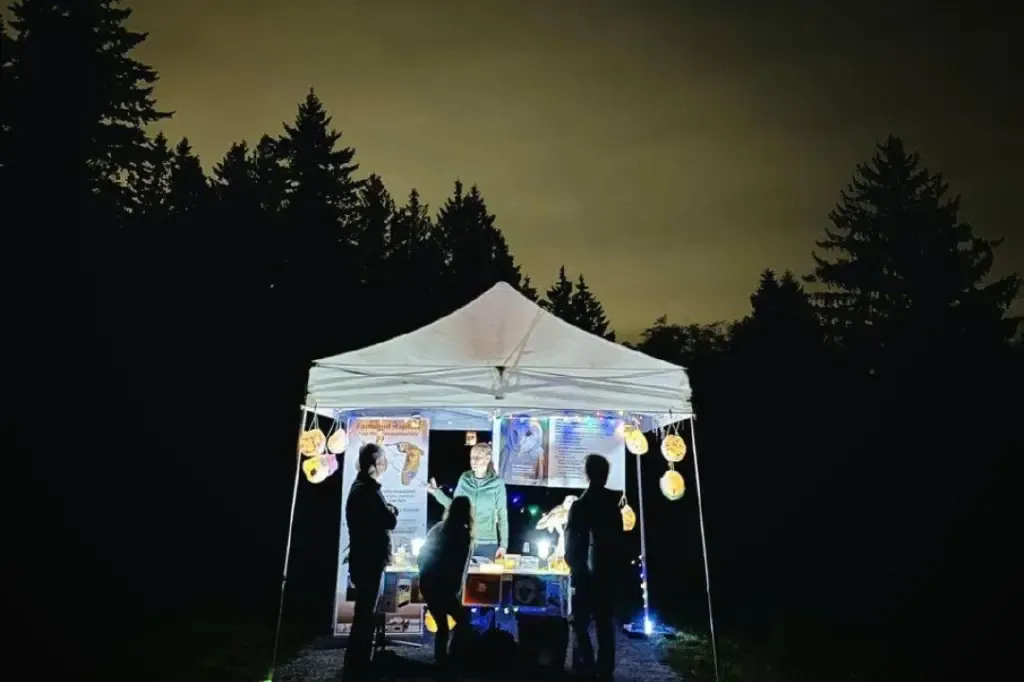
Dig out the flashlight, and learn about fungi, flying squirrels, salmon migration and moths at the second annual Creatures of the Night Lantern Festival on Saturday. The Little Campbell Watershed Society and the Langley Environmental Partners Society are teaming up once again this year to host the all-ages event on Sept. 19.

Here are the best ways to use stargazing apps - Space
There are plenty of stargazing apps out there and if you want to make the most of them we've got you covered.
Get inside the athlete's brain, explore First Nations science and go stargazing at National Science Week 2026 - Department of Industry Science and Resources
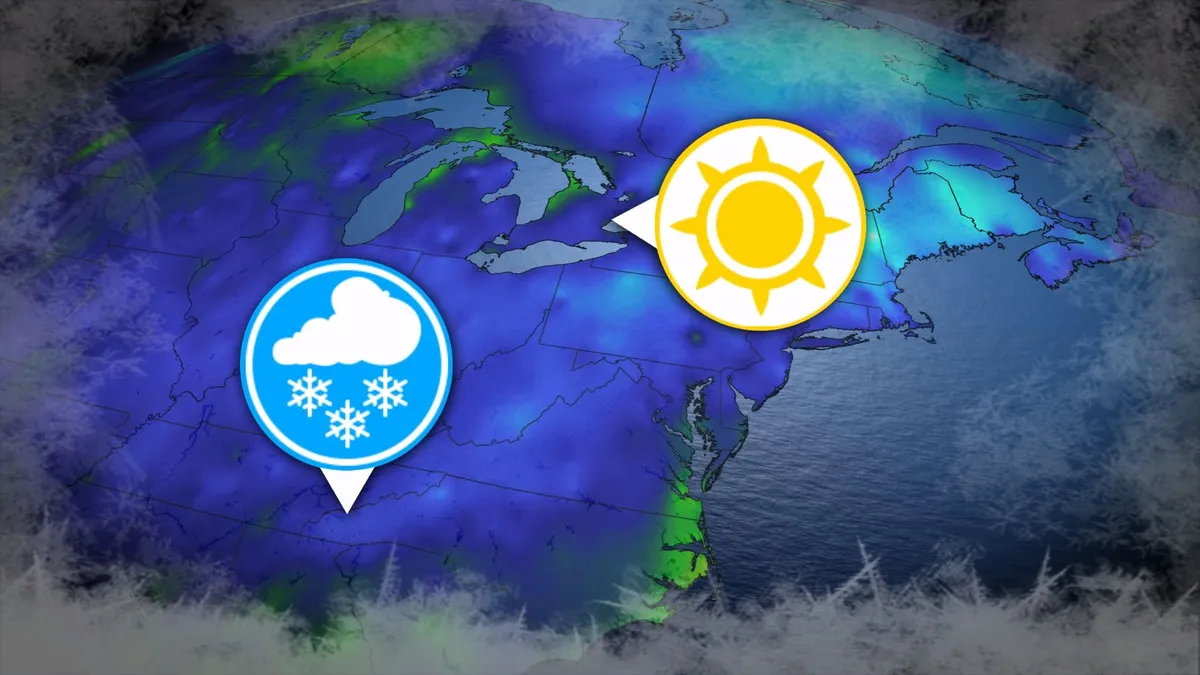
Where’s the frost? Southern U.S. hits freezing before Toronto, Montreal
Toronto and Montreal have remained above the freezing mark every day for almost six months. While frosts and even some snowflakes have intruded across parts of Ontario and Quebec in recent weeks, the two cities have yet to reach that magic number. What’s even more remarkable is that a handful of communities across the southern United States have already dipped to the freezing point--and some have even seen accumulating snowfall. DON’T MISS: Official: Canada records first -30°C reading of the seasonThe last time we saw a freezing temperature in either Toronto or Montreal was the second-to-last week of April. Toronto hit -1.3°C early on April 20, while Montreal dipped to -2.0°C the following morning. Our average first frost in both cities occurs right around the middle of October. But warmer-than-normal years can see this milestone slide several weeks past due. Montreal once had to wait 207 consecutive days for its first frost, with the city’s first subfreezing temperature in 2017 waiting until Nov. 7. The latest Toronto’s had to wait to hit the zero-degree mark was Nov. 13, 2022.
0 comments
No comments yet. Be the first to share your thoughts!