Fungi found on coconut husks can decompose plastic, sunscreen - University of Hawaii System
This story deserves to be shared
Send it to someone who'd care, or post it on your networks.
This article is an excerpt. To read the full content, visit the original source. University of Hawaii System
Related articles
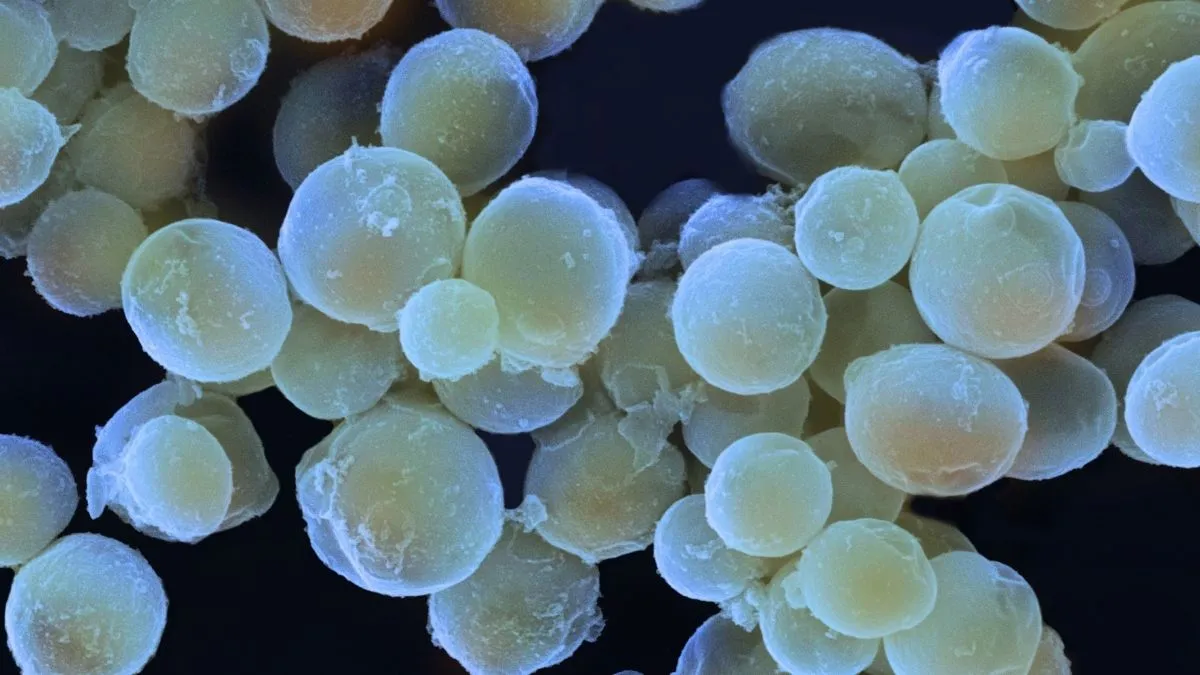
There Are Fungi in The Ocean, And They May Be Way More Important Than We Realized - ScienceAlert
Fungi in the Arctic sediments could look a bit like this. (David Spears FRPS ASIS FRMS/Corbis Documentary/Getty Images) Hidden inside tree trunks, between grains of soil, deep within our bodies, and below our feet, fungi seem to wind their way into everything. But did you know fungi actually live in the ocean, too? New research published in PLOS Biology reveals the overlooked role of marine fungi in the carbon cycle by zooming in on the seawater and sediments that line an Arctic fjord in Norway. We're only just starting to understand how widespread fungi are on this planet, and how much they contribute to the global carbon cycle. Marine fungi are easily overlooked because they're microscopic, but that doesn't mean their impact is small. For the first time, scientists quantified how much fungi in marine sediments are incorporating dissolved, free-floating amino acids into their bodies, trapping carbon and nitrogen. "Our study shows that fungi in the Arctic Ocean can contribute significantly to carbon storage in sediments via their highly efficient metabolism," explains geomicrobiologist William Orsi of Ludwig Maximilian University of Munich (LMU Munich) in Germany.
These fungi that digest plastic in just months are baffling scientists - Futura, le média qui explore le monde
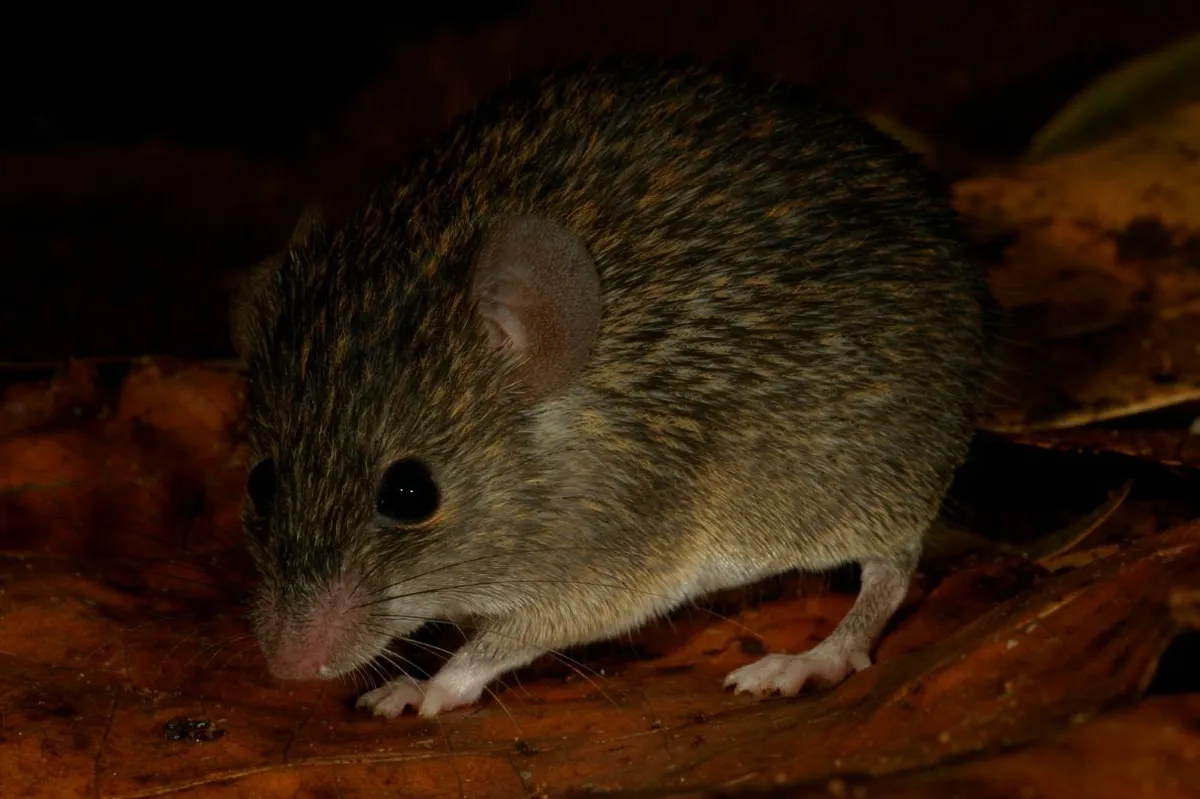
How burnt coconut helped discover new to science endemic species in Sri Lanka - news - Mongabay
Scientists have formally described Mus dumbara, a new species of spiny mouse from Sri Lanka’s Dumbara or Knuckles Mountain Range after years of waiting. Collected for the first time in 2004, it took more than two decades of morphological and genetic analysis to establish it as a distinct species from the other spiny mouse species found in Sri Lanka. Subsequent efforts to find fresh specimens of the elusive mouse proved unsuccessful, despite around 1,900 trap nights in the area, leaving scientists with limited information about its current population and distribution. Found only from a small area of the Knuckles Range so far, the discovery highlights the island’s overlooked biodiversity of small mammals and the need for further surveys to understand the species’ ecology and conservation needs. COLOMBO — As dusk settled over the paddy fields at Puwakpitiya, a village on the northern edge of Knuckles Mountain Range locally known as Dumbara mountains in Central Sri Lanka, researchers began laying traps along the uneasy boundary between farmland and forest.
0 comments
No comments yet. Be the first to share your thoughts!