Former alumnus shining a new light on Langara’s film arts program and its students - The Langara Voice
This story deserves to be shared
Send it to someone who'd care, or post it on your networks.
This article is an excerpt. To read the full content, visit the original source. The Langara Voice
Related articles
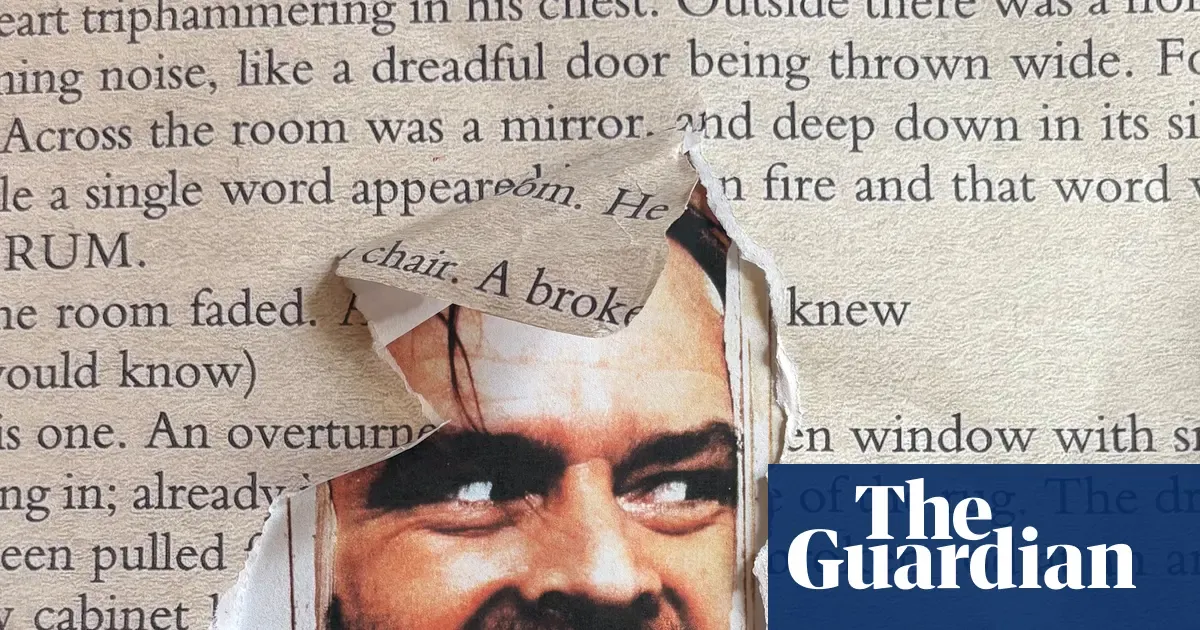
An open book: how to make a great film adaptation, from The Shining to Trainspotting
It is always fun to join in a craze, like a Victorian going mad for penny farthings. Which is probably why, against my better judgment, I went to see Christopher Nolan’s blockbuster The Odyssey this summer, buying my ticket into the popular conversation along with everyone else. This year’s other divisive adaptation, Emerald Fennell’s Wuthering Heights, had the world and his wife arguing about it before they had even watched the film. No doubt the makers of the recent Sense and Sensibility movie were also hoping for lots of people to go and see it to discover whether they hated it. After all, very few of us leave the cinema saying: “That’s exactly how I pictured it in my head.” Or even less likely: “That was better than the book.” We’re more likely to shake our fists at how they ruined the ending, dumbed it down, unforgivably cast somebody with the wrong hair, or betrayed a beloved character, as with last year’s Thursday Murder Club debacle. But what makes a good adaptation? Like Odysseus himself, and as every Nancy Meyers fan knows: it’s complicated.
Artist and SVA Alumnus KAWS Named 2026 School of Visual Arts Commencement Speaker - School of Visual Arts | SVA
After Protests and Riots, Art Basel Readies Paris Show
'The fair is proceeding as planned and final preparations are underway,' a spokesperson said. The post After Protests and Riots, Art Basel Readies Paris Show appeared first on Artnet News .
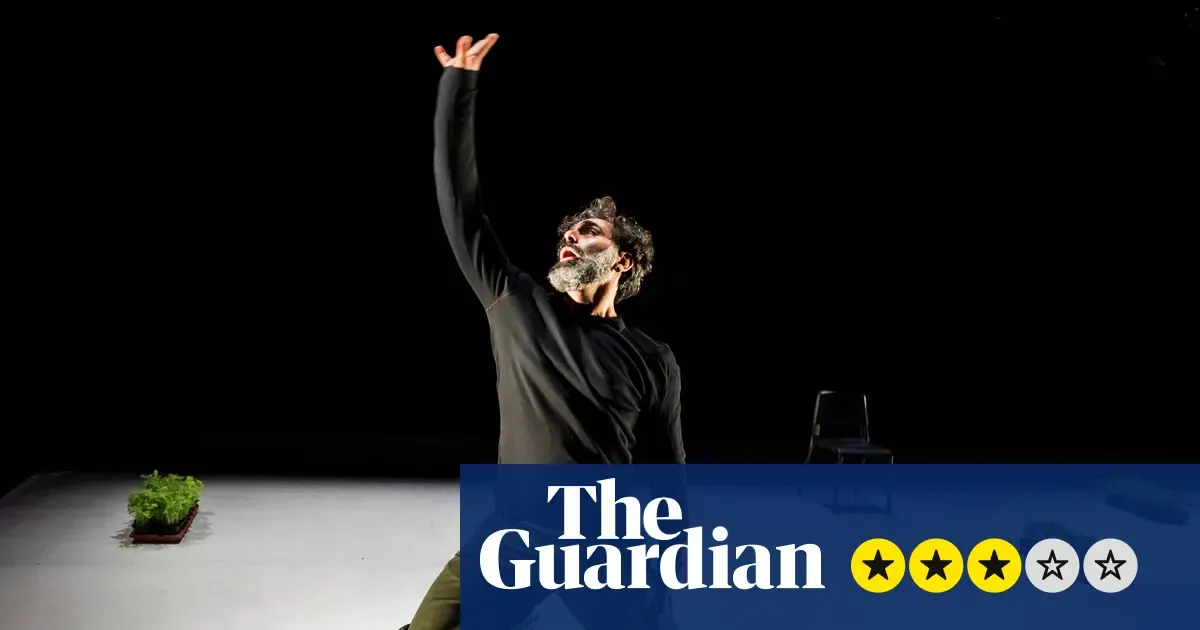
Dance Is Not for Us review – desire and defiance as one revolutionary mover sweats it all out
In August 2019, Omar Rajeh sat in his bedroom, listening to the sound of pounding percussion with his world in crisis. In the midst of political instability, Citerne Beirut, a theatre and cultural centre Rajeh had founded in his native Lebanon, was forced to close, dismantled by order of the local government, who planned to build an incinerator on the site. Heartfelt … Omar Rajeh in Dance Is Not for Us. Photograph: Tristram Kenton/the GuardianRajeh tells us that as a teenager, coming of age at the end of the Lebanese civil war, dance had always seemed like the most revolutionary thing he could do. Now here he is, more than three decades later, still dancing – out of frustration, defiance, resistance and a desire to connect. As the percussive score gains momentum, Rajeh’s busy body builds up a sweat. In this danced stream of consciousness, Rajeh is not always an especially elegant mover, but he dances like it’s a necessary thing to do. Part of this year’s Dance Umbrella festival, Dance Is Not for Us is a solo that appears at times like an explosion of physical instinct, but it is mostly calm, considered musings on the nature of choreography, with all its workings exposed.
0 comments
No comments yet. Be the first to share your thoughts!