Pop Art Meets Pigskin: CMU Alumnus and Artist Burton Morris Brings Iconic Visual Energy to the 2026 NFL Draft - Carnegie Mellon University
This story deserves to be shared
Send it to someone who'd care, or post it on your networks.
This article is an excerpt. To read the full content, visit the original source. Carnegie Mellon University
Related articles
Artist and SVA Alumnus KAWS Named 2026 School of Visual Arts Commencement Speaker - School of Visual Arts | SVA
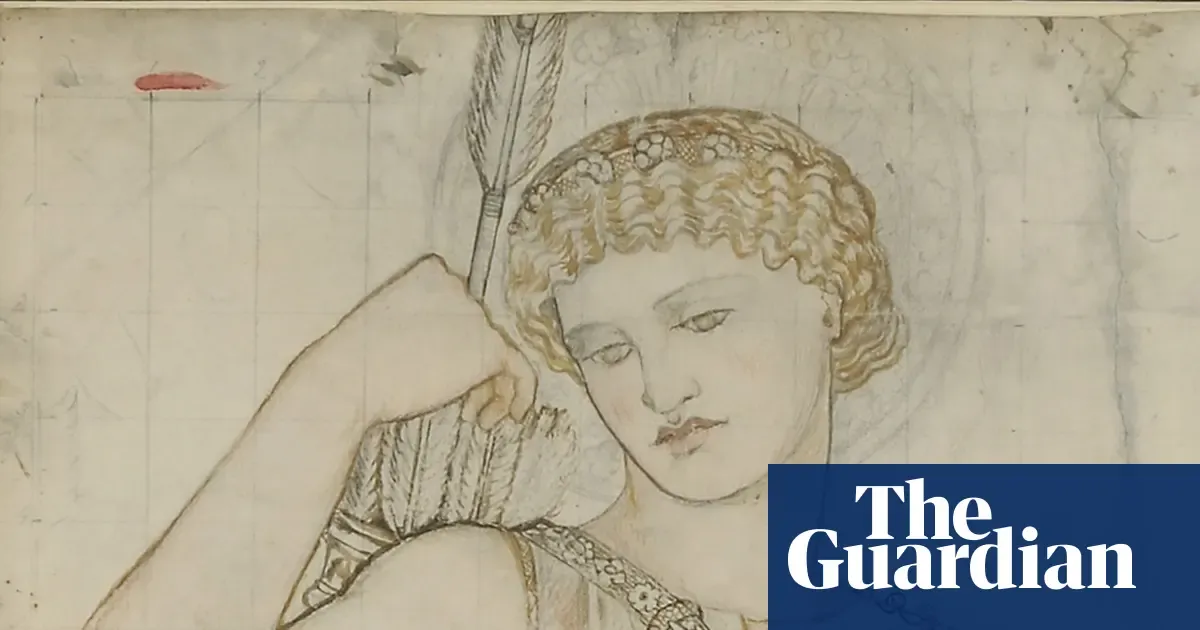
‘A key artist in her own right’: wallpaper and fabrics designer emerges from William Morris’s shadow
For more than a century, she has been little more than a footnote in William Morris’s story, her work mistaken for his, her contribution to British decorative art largely overlooked. Yet, in her lifetime, Kate Faulkner was a pioneer: the first person after Morris to design wallpapers and fabrics for Morris & Co, and one of only four designers he ever trusted to do so. Several of the patterns she designed under her name for the company in the 1870s and 1880s are still sold today. Now, an exhibition at the Fitzwilliam Museum in Cambridge is seeking to restore Faulkner to her rightful place in art history. A Call to Art: William Morris and the pre-Raphaelites is the first exhibition to celebrate Faulkner and her work as a designer, maker and workshop supervisor at Morris & Co. It will put on public display, for the first time, a monumental 6.3 metre-wide oak and silvered-gesso altarpiece she was commissioned to make for Morris & Co in 1886, alongside her textile designs and wallpaper patterns which helped to make William Morris a household name. Highlights include Faulkner’s tile depicting Penelope, made around 1865.
After Protests and Riots, Art Basel Readies Paris Show
'The fair is proceeding as planned and final preparations are underway,' a spokesperson said. The post After Protests and Riots, Art Basel Readies Paris Show appeared first on Artnet News .
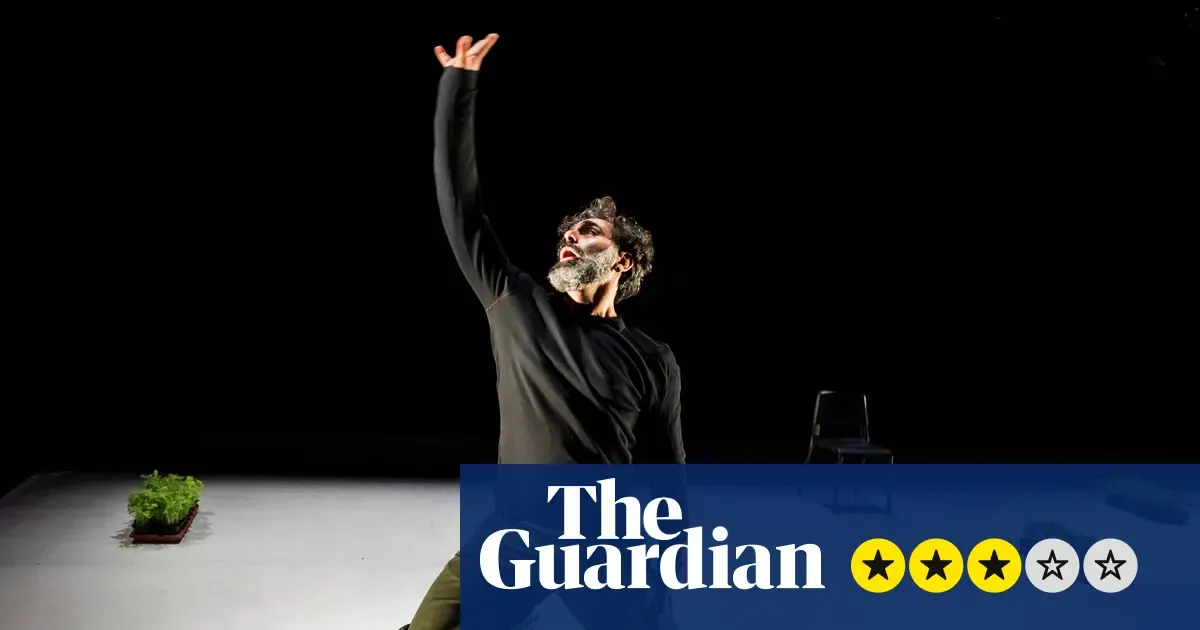
Dance Is Not for Us review – desire and defiance as one revolutionary mover sweats it all out
In August 2019, Omar Rajeh sat in his bedroom, listening to the sound of pounding percussion with his world in crisis. In the midst of political instability, Citerne Beirut, a theatre and cultural centre Rajeh had founded in his native Lebanon, was forced to close, dismantled by order of the local government, who planned to build an incinerator on the site. Heartfelt … Omar Rajeh in Dance Is Not for Us. Photograph: Tristram Kenton/the GuardianRajeh tells us that as a teenager, coming of age at the end of the Lebanese civil war, dance had always seemed like the most revolutionary thing he could do. Now here he is, more than three decades later, still dancing – out of frustration, defiance, resistance and a desire to connect. As the percussive score gains momentum, Rajeh’s busy body builds up a sweat. In this danced stream of consciousness, Rajeh is not always an especially elegant mover, but he dances like it’s a necessary thing to do. Part of this year’s Dance Umbrella festival, Dance Is Not for Us is a solo that appears at times like an explosion of physical instinct, but it is mostly calm, considered musings on the nature of choreography, with all its workings exposed.
0 comments
No comments yet. Be the first to share your thoughts!