For the first time, astronomers witnessed the birth of a ‘magnetar’ - Popular Science
This story deserves to be shared
Send it to someone who'd care, or post it on your networks.
This article is an excerpt. To read the full content, visit the original source. Popular Science
Related articles
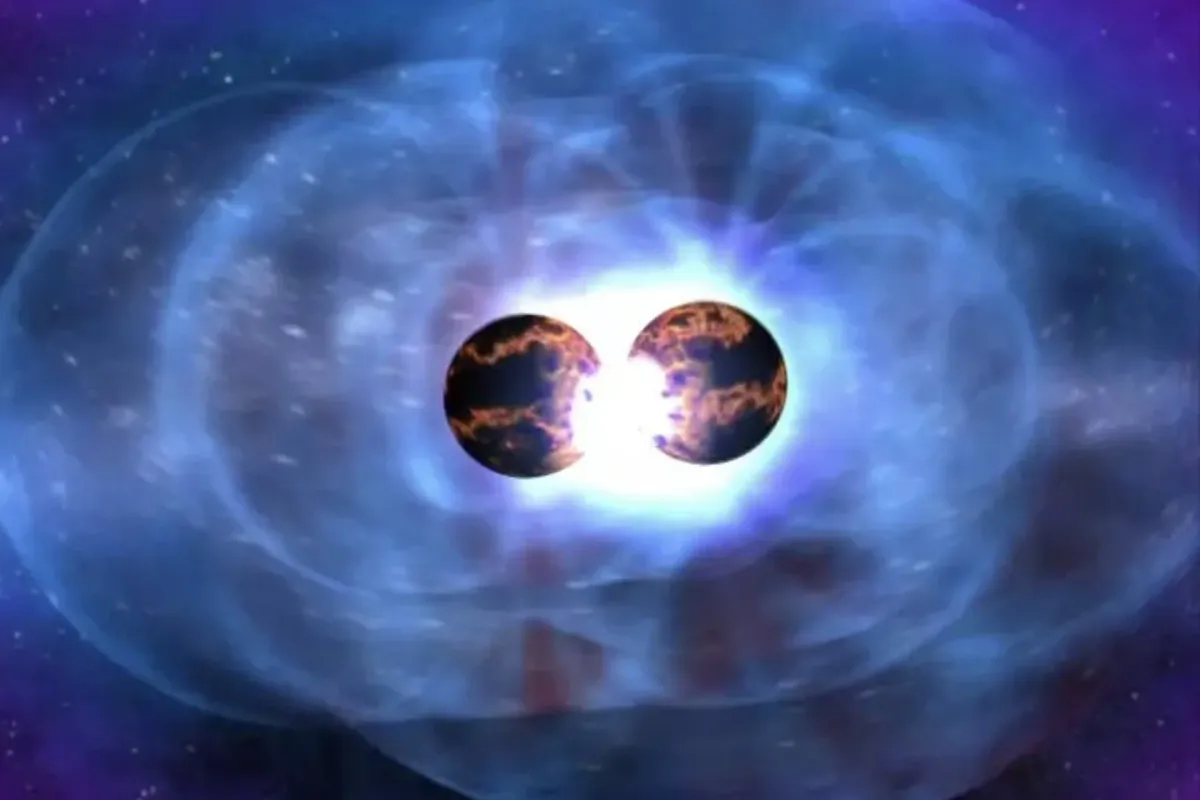
A Magnetar Can Be Born When Two Neutron Stars Touch - Universe Today
All neutron stars have intense magnetic fields. The typical magnetic field of a neutron star is about 100,000 times stronger than the strongest magnetic fields we can create on Earth. But about 1% of neutron stars have even stronger magnetic fields. Known as magnetars, their magnetic fields can be 1,000 times stronger than a regular magnetic field. They are a likely cause for powerful transient events such as soft gamma-ray repeaters and fast radio bursts. A new study looks at how magnetars might form. The work focuses on the mergers of binary neutron stars. Often when two neutron stars collide they form a black hole. This is because the combined mass of the two neutron stars is greater than the Tolman-Oppenheimer-Volkoff (TOV) limit, which is around 2.6 solar masses. Most neutron stars are more massive than white dwarfs, which have a Chandrasekhar limit of about 1.4 solar masses. But some neutron stars have smaller masses. If they happen to have a total mass less than the TOV limit, then they can merge and become a single neutron star.
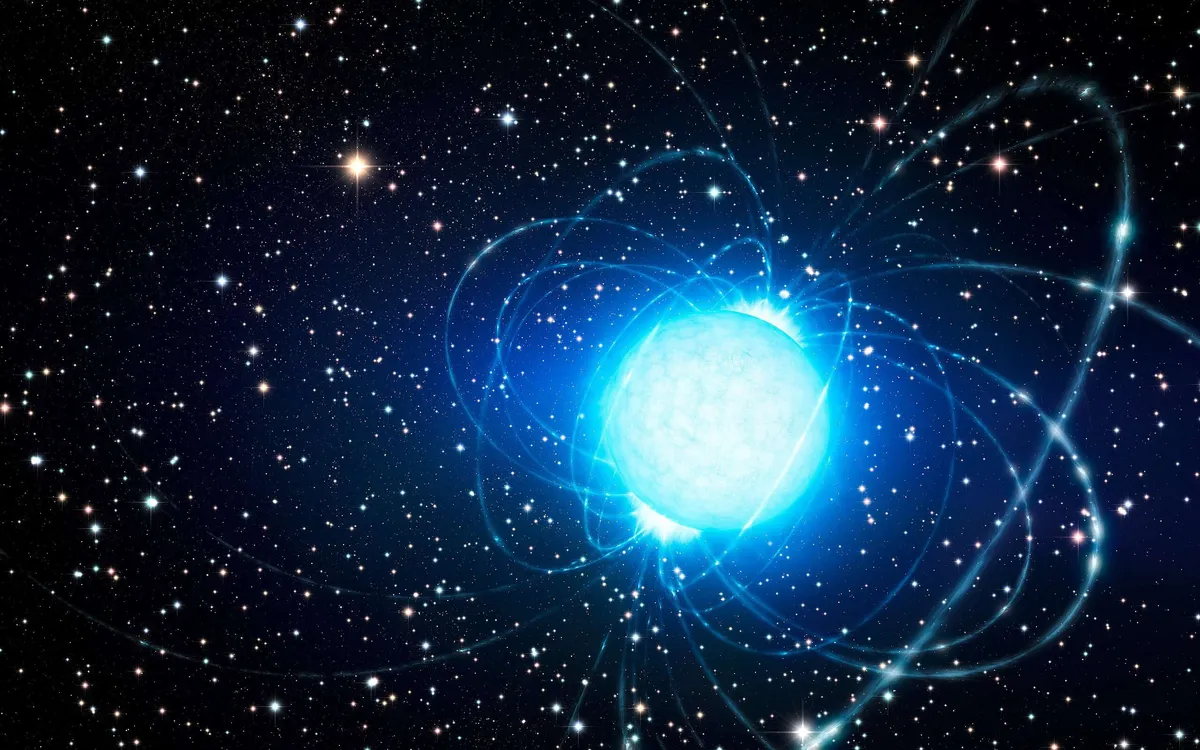
A Strange Cosmic Explosion Glowed in X-Rays for 10 Minutes. A Magnetar May Have Been Born - ZME Science
Artist’s impression of a magnetar with its magnetic field. Credit: Wikimedia Commons On July 4, 2025, astronomers watched a cosmic explosion do something it was not supposed to do.
AI Robot Security Blocks Hidden Trigger Attacks - Open Source For You
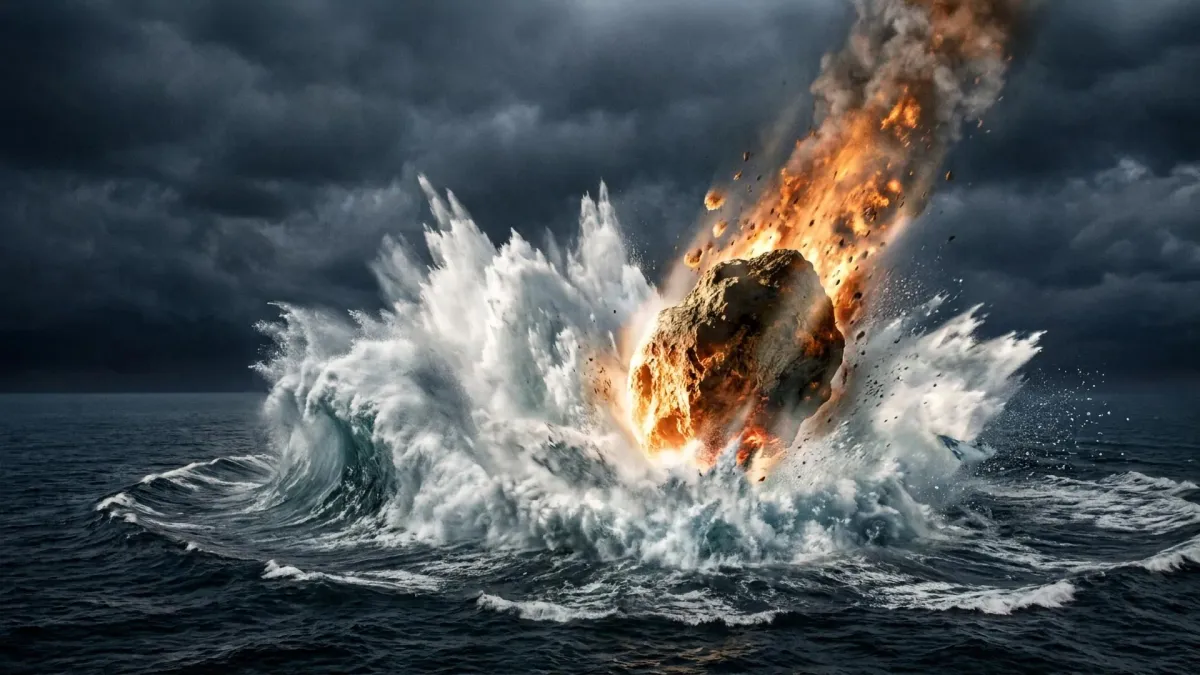
A massive asteroid slammed into the North Sea and unleashed a 330-foot tsunami - Science Daily
A massive asteroid slammed into the North Sea roughly 43 to 46 million years ago, triggering a tsunami more than 100 meters (330 feet) high. Now, after more than two decades of scientific disagreement, researchers have uncovered compelling evidence confirming the ancient collision. The impact created what is now known as the Silverpit Crater, a massive structure buried deep beneath the seafloor. Although scientists first discovered it in 2002, its origins remained fiercely debated, with some researchers arguing that geological processes, rather than an object from space, were responsible.
0 comments
No comments yet. Be the first to share your thoughts!