Fermented food microbiome: influence on oral and gut microbiota, and human health - Nature
This story deserves to be shared
Send it to someone who'd care, or post it on your networks.
This article is an excerpt. To read the full content, visit the original source. Nature
Related articles
Ginseng derived extracellular vesicles attenuate adipocyte hypertrophy and modulate gut microbiota and cholecystokinin responsiveness in high fat diet fed mice - Nature
We’re sharing this article early to provide faster access to peer-reviewed, accepted research. It is citable and carries a permanent DOI. This version is subject to further edits and will be replaced automatically by the final Version of Record. All legal disclaimers apply. AbstractDiet-induced obesity is associated with impaired satiety signaling and alterations in intestinal microbial communities. Plant-derived extracellular vesicles have recently emerged as bioactive dietary vesicles capable of influencing host physiology. However, the in vivo metabolic effects of Panax ginseng–derived extracellular vesicles (GDE) remain incompletely characterized. Male C57BL/6 mice were fed a low-fat diet, high-fat diet (HF), or HF supplemented with orally administered GDE (3 × 10⁹ particles, 3 times/week) for 9 weeks. Relative epididymal fat pad weight, adipose tissue histology, cholecystokinin (CCK)-mediated satiety responsiveness, gut microbiota composition, and selected intestinal inflammatory markers were evaluated. GDE administration reduced adipocyte diameter and normalized epididymal leptin mRNA expression in HF-fed mice despite comparable energy intake between HF and HF/GDE groups.

Gut Microbiome and Aging: How Gut Bacteria Influence Health and Longevity - News-Medical
IntroductionHow does the gut microbiome change as we age? The link between gut microbiome changes and inflammationGut microbiome and age-related health conditionsCan the gut microbiome be targeted to promote longevity? From microbial shifts in later life to the distinctive gut communities of centenarians, researchers are investigating what the intestinal microbes reveal about how people age.

GLP-1 Drugs and Obstructive Sleep Apnea: How Weight Loss Medications Improve Breathing During Sleep - News-Medical
IntroductionClinical trial evidenceFDA approval and regulatory developmentsCardiometabolic and secondary benefitsFuture directionsReferences What can treatments targeting weight and metabolism offer people with obstructive sleep apnea, and which questions must clinical trials still answer?
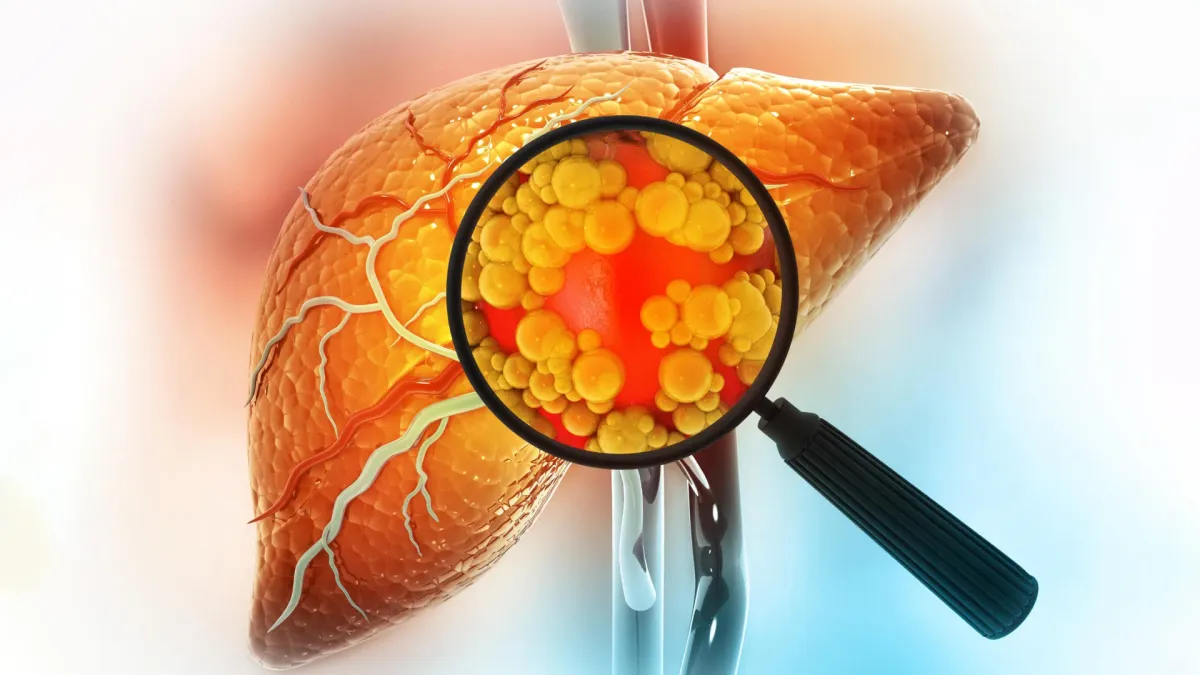
Fatty liver disease is actually five different conditions, scientists discover - Science Daily
A common liver disease affecting nearly 30% of adults worldwide is far more complex than previously understood. Researchers at Mayo Clinic have identified five biologically distinct forms of the condition, each associated with different risks of serious health complications, including heart disease, liver failure, cancer, and the need for a liver transplant. The findings, published in Nature Communications, come from a collaboration between Mayo Clinic and Virginia Tech. Scientists discovered that metabolic dysfunction-associated steatotic liver disease, or MASLD, can develop through several different biological pathways. Some are closely connected to obesity and diabetes, while others appear to be driven by inherited genetic differences.
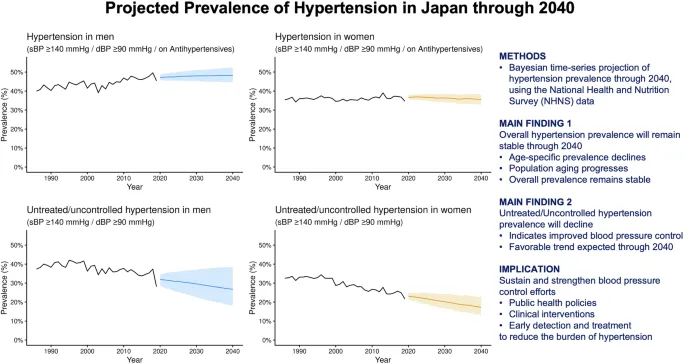
Projected prevalence of hypertension and untreated/uncontrolled hypertension in Japan through 2040 - Nature
IntroductionHypertension is a major global health concern and a leading cause of morbidity and mortality [1]. It is estimated that more than 19 million annual deaths are attributed to cardiovascular disease (CVD) worldwide [2]. In Japan, high blood pressure (BP) has been consistently identified as a strong risk factor for the national burden of CVD, in terms of notable incidence, mortality, direct/indirect healthcare costs, and quality-adjusted life years (QALYs) associated with this condition [3, 4]. Although age-specific mean BP declined in Japan over recent decades [5], hypertension remains a critical public health issue, particularly because of the rapid aging population. The proportion of individuals aged ≥65 years is projected to reach approximately 35% by 2040 in Japan [6], highlighting a potentially higher future burden of hypertension in this country. While the prevalence of hypertension increases with age, population aging may offset the benefits of declining BP levels in each age group. As a result, the future burden of hypertension in Japan remains uncertain.
0 comments
No comments yet. Be the first to share your thoughts!