Fatty acids in the tumor microenvironment reprogram neutrophils to induce adenosine-mediated immunosuppression in mice - Nature
This story deserves to be shared
Send it to someone who'd care, or post it on your networks.
AcknowledgementsThe authors thank Arcus Biosciences for providing AB680 and AB928 for the experiments. This research was supported [in part] by the Intramural Research Program of the National Institutes of Health (NIH), National Cancer Institute, CCR, CIL. The contributions of the NIH authors (S. T., C. I. K. C., F. J. G.) were made as part of their official duties as NIH federal employees, are in compliance with agency policy requirements, and are considered Works of the United States Government. However, the findings and conclusions presented in this paper are those of the authors and do not necessarily reflect the views of the NIH or the U. S. Department of Health and Human Services. Schematic diagrams (Figs. 1A, E, 2A, E, 5D, 6A, D and 7A, G) were created with BioRender.com. FundingThis work was funded by NIH grants R01CA148828, R01CA245546, R01DK095201, and UMCCC Core Grant P30CA046592 (Y. M. S.). R01AI152517 to C. A. P. R01CA248160 to C. A. L. R. S. was supported by a Postdoctoral Fellowship (032650) from the American Physiological Society and a Research Fellow Award (1003279) from the Crohn’s and Colitis Foundation. N. W. Z.
This article is an excerpt. To read the full content, visit the original source. Nature
Related articles
Study reveals mature immune functions in embryonic neutrophils - News-Medical
Neutrophils are white blood cells that form part of the body's first line of defence. Researchers have now demonstrated for the first time that neutrophils are found in many tissues during embryonic development, and that they can perform the same functions as adult neutrophils. The findings warrant further study on the role of embryonic neutrophils in tissue development and in responding to infections in fetuses and newborns. Neutrophils are part of innate immune defence. When inflammation occurs, they rapidly migrate from the bloodstream into tissues to eliminate harmful microbes. Their role is well understood in adults, but remarkably little is known about embryonic neutrophils.
Scientists reprogram immune cells inside the body to fight cancer - Science Daily
CAR-T cell therapy has transformed the treatment of certain blood cancers, but getting the therapy to patients remains complicated, expensive, and slow. The standard process requires doctors to collect a patient's immune cells and send them to a specialized facility, where the cells are genetically modified to recognize cancer. The engineered cells are then shipped back and infused into the patient. The entire process can take weeks and cost hundreds of thousands of dollars. Researchers at UC San Francisco have now developed a potential alternative that could allow those cancer-fighting cells to be reprogrammed directly inside the body. If the approach can be translated to people, it could remove much of the manufacturing, expense, and delay that currently limits access to CAR-T therapy.
Scientists discover how neutrophils travel to infection sites without damaging healthy tissue - News-Medical
UMass Chan Medical School scientist Beth McCormick, PhD, and her team collaborated with researchers at the University of Bath to discover how neutrophils, the body's most abundant type of white blood cells, travel to infection sites without damaging healthy tissue. These findings, published in Science Advances, represent a potential new target for anti-inflammatory drugs. "One of the greatest challenges in treating chronic inflammatory disease is preserving the immune system's ability to fight infection while preventing unnecessary tissue damage," said Dr. McCormick, the Worcester Foundation for Biomedical Research Chair II and chair and professor of microbiology. "By uncovering this molecular navigation system that precisely directs neutrophils to sites of infection, we've identified a promising therapeutic strategy that could restore precision to inflammation rather than simply suppressing it. We believe this represents an important step toward a new generation of targeted anti-inflammatory therapies. "
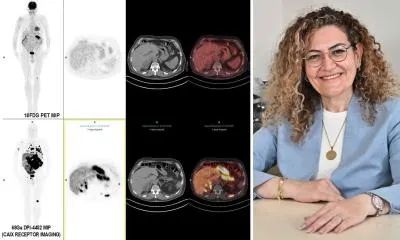
ccRCC kidney cancer: PET/CT imaging approach improves lesion detection - healthcare-in-europe.com
Case: In a patient diagnosed with metastatic clear cell RCC, foci observed at very low levels on 18F-FDG PET/CT, and some that were not detectable at all, were seen as dramatically dense on [68Ga]Ga-DPI-4452-PET/CT (carbonic anhydrase IX receptor) imaging. Image courtesy of Prof. Arslan Research was presented at the 39th Annual Congress of the European Association of Nuclear Medicine (EANM’26)
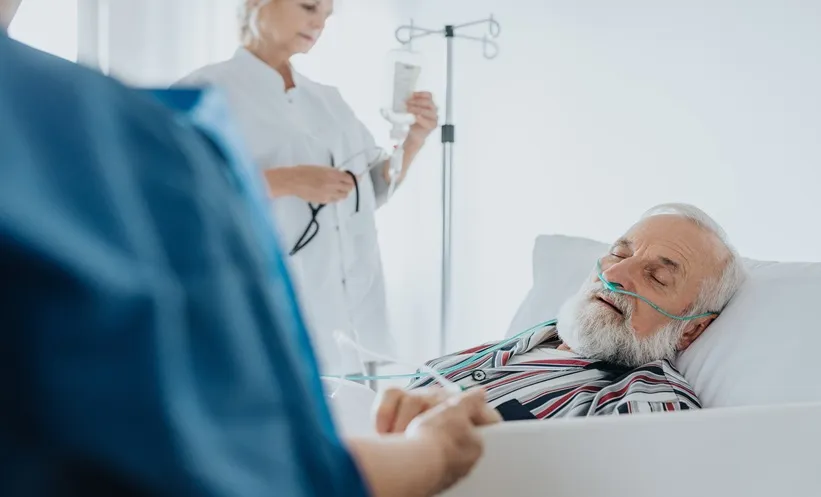
RSV Linked to Severe Complications After Lung Transplant - EMJ
RSV IN lung transplant recipients was associated with respiratory failure, declining lung function, and mortality in hospitalized patients. An international multicenter study of 155 adult lung transplant recipients hospitalized with respiratory syncytial virus (RSV) infection identified clinical predictors of severe complications, highlighting the importance of early assessment and continued monitoring in this vulnerable population.
0 comments
No comments yet. Be the first to share your thoughts!