Fact checking highly pathogenic avian influenza (HPAI) - Science.gc.ca
This story deserves to be shared
Send it to someone who'd care, or post it on your networks.
This article is an excerpt. To read the full content, visit the original source. Science.gc.ca
Related articles
Fact checking highly pathogenic avian influenza (HPAI) - Canadian Food Inspection Agency
Highly pathogenic avian influenza (HPAI), or bird flu, is a highly contagious viral infection that affects many mammals but primarily impacts wild and domesticated birds, including farmed birds. Managing highly pathogenic avian influenza outbreaks in animal populations is essential for public health, the poultry industry, and the Canadian economy, especially since wild birds can carry and spread the virus without showing symptoms. Recently, misinformation and disinformation about HPAI has downplayed the seriousness of this disease and created confusion about how it is spread, detected, controlled, and prevented. The consequences and severity of HPAI are well-known to Canada's poultry farmers and processors, veterinarians and animal health experts, but many Canadians have likely seen or heard false or conflicting information about the disease.
HPAI woes continue in Manitoba, Alberta - WATTPoultry.com
Bird flu (HPAI) in cattle - Canadian Food Inspection Agency

Carbon Nanotubes Demonstrate Antibacterial Activity - European Medical Journal
CARBON nanotubes synthesised using ferrocene have demonstrated antibacterial activity against Escherichia coli in laboratory experiments, suggesting potential applications for nanomaterials in antimicrobial research. Researchers found that multi-walled carbon nanotubes (MWCNTs) inhibited bacterial growth in a concentration-dependent manner, with both minimum inhibitory and bactericidal concentrations of 256 µg/mL. The findings highlight the antibacterial properties of the experimental preparation, although further research is needed to determine the mechanisms responsible and whether these effects could translate into practical applications.
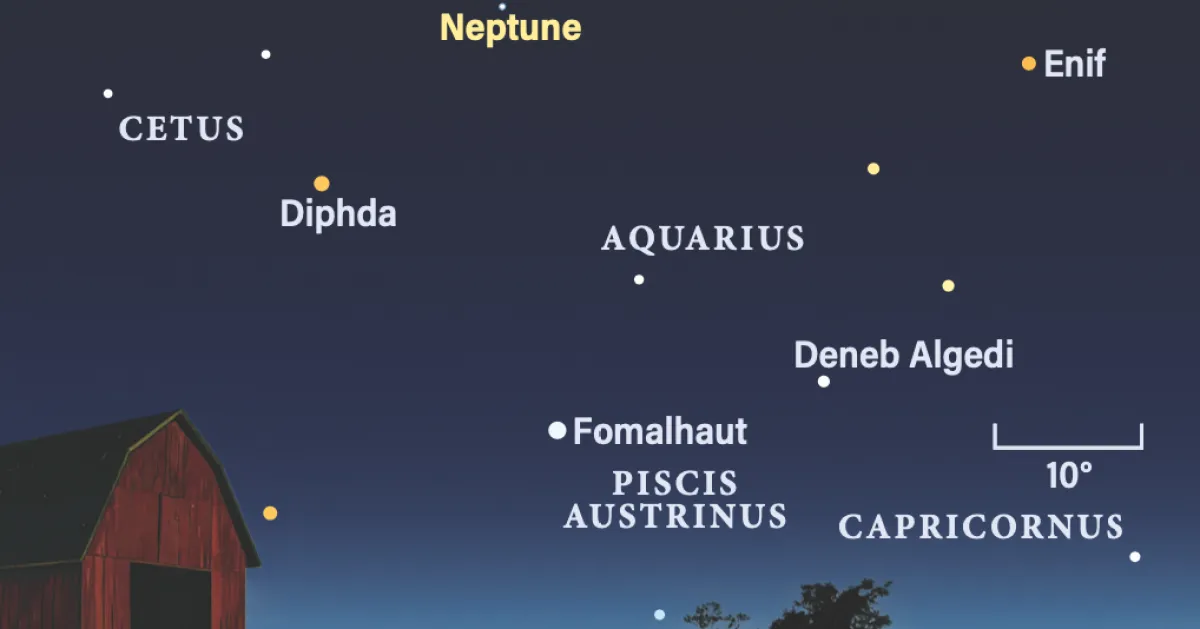
The Sky Today on Friday, October 23: Nab Neptune near the Moon - Astronomy Magazine
The solar system’s most distant planet shares the sky with the nearly Full Moon this evening, with Saturn standing nearby. Late in the month, the Moon forms a triangle with Saturn and Neptune — note the latter requires binoculars or a telescope to spot. Credit: Astronomy: Roen Kelly
0 comments
No comments yet. Be the first to share your thoughts!