Eye-of-the-Tiger Sign: A Case Report of a Key MRI Clue to Pantothenate Kinase-Associated Neurodegeneration in an Eight-Year-Old Girl - Cureus
This story deserves to be shared
Send it to someone who'd care, or post it on your networks.
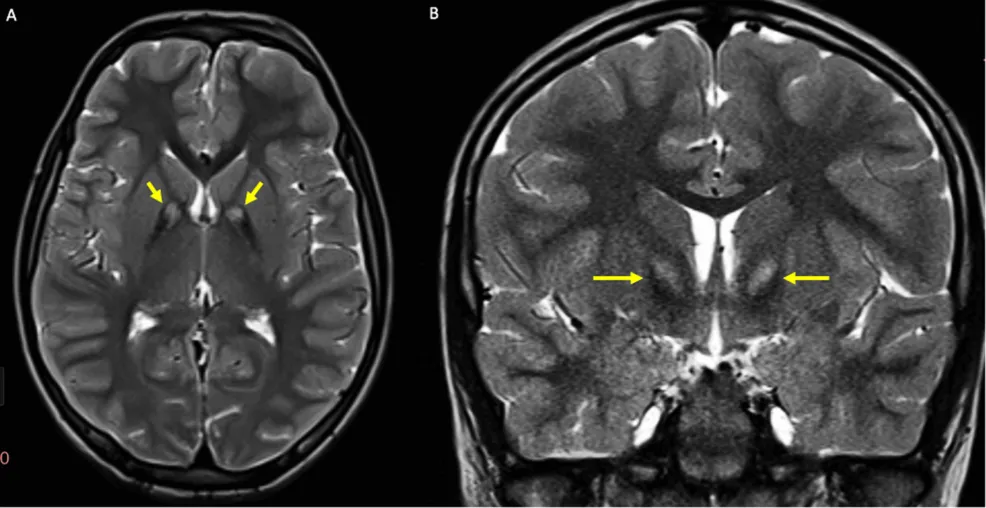
Pantothenate kinase-associated neurodegeneration (PKAN) is an autosomal recessive disorder and the most common form of neurodegeneration with brain iron accumulation (NBIA), whose imaging hallmark is the "eye-of-the-tiger" sign of the globus pallidus on brain MRI. We report the case of an eight-year-old girl, born to first-cousin parents, with a history of delayed walking and language acquisition, who presented with a four-month history of worsening gait instability and frequent falls. Neurological examination revealed dysarthria, lower-limb dystonia, postural tremor, brisk deep tendon reflexes, and bilateral extensor plantar responses. Brain MRI at 1.5 T showed bilateral, symmetric T2 hypointensity of the globus pallidus surrounding a central hyperintense focus, consistent with the eye-of-the-tiger sign, with marked pallidal signal loss on susceptibility-weighted imaging (SWI). The substantia nigra, dentate nuclei, cerebellum, and remaining brain parenchyma were normal, as were serum copper, ceruloplasmin, and lactate levels. This combination of a progressive extrapyramidal and pyramidal syndrome with the eye-of-the-tiger sign pointed to PKAN, pending genetic confirmation. This ca
This article is an excerpt. To read the full content, visit the original source. Cureus
Related articles
Antibiotic exposure during childhood linked to higher risk of IBS in young adults - News-Medical
Antibiotic use from childhood through early adulthood was associated with higher odds of irritable bowel syndrome (IBS) at age 24, with the odds increasing as the number of antibiotic prescriptions rose, according to a new study presented today at UEG Week 2026. IBS is a common digestive disorder that affects more than 60 million people across Europe, causing symptoms such as abdominal pain and changes in bowel habits. Whilst previous research has suggested a link between antibiotic use and IBS, evidence on whether childhood exposure is associated with IBS in adulthood remains inconsistent. Much of the existing evidence relies on people recalling past antibiotic use, with a lack of population-based studies using objectively recorded antibiotic data across childhood.
E. coli Vaccine Fails to Prevent Invasive Infections - EMJ
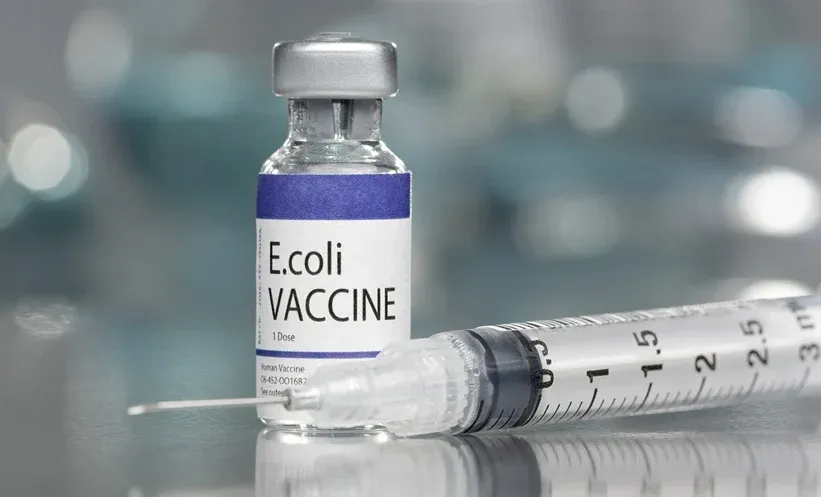
AN EXPERIMENTAL vaccine designed to prevent invasive Escherichia coli infections in older adults has failed to demonstrate clinical efficacy in a large Phase III trial, despite generating robust and sustained immune responses. The E.mbrace trial, involving 17,701 participants across 20 countries, found no demonstrated protective benefit from the nine-valent ExPEC9V vaccine compared with placebo. Following a prespecified futility analysis, the study was terminated early, and development of the vaccine has been discontinued.
Corneal biometry changes with 0.01% atropine for myopia control: a randomised controlled trial and case of incidental keratoconus - Nature
We’re sharing this article early to provide faster access to peer-reviewed, accepted research. It is citable and carries a permanent DOI. This version is subject to further edits and will be replaced automatically by the final Version of Record. All legal disclaimers apply. AbstractChanges in corneal curvature have been reported with low-concentration atropine eyedrops for myopia treatment and have been suggested to play a role in the refractive changes observed during atropine therapy. A case of keratoconus was identified from the Western Australia atropine for the treatment of myopia (WA-ATOM) cohort. We tested the null hypothesis that 0.01% atropine eyedrops produce no change in corneal parameters or ectasia risk compared to placebo. Children with progressive myopia (6–16 years; n = 153) were randomly assigned to receive 0.01% atropine eyedrops or a placebo (2:1 ratio) for 2 years, followed by a 1-year washout. Scheimpflug imaging was performed at baseline, 24-months, and 36-months. Changes in corneal parameters were compared between the treatment and placebo groups using linear mixed models.
0 comments
No comments yet. Be the first to share your thoughts!