Extracting and reconstructing knowledge in materials science literature using large language models - Nature
This story deserves to be shared
Send it to someone who'd care, or post it on your networks.
This article is an excerpt. To read the full content, visit the original source. Nature
Related articles
Extracting Drugs from Nature Is Hard - McGill University
Reconstructing 16,000 years of summer temperature change in the Western Balkans - Phys.org
Researchers at Eötvös Loránd University (ELTE) have reconstructed approximately 16,000 years of summer temperature changes from sediments collected at Lake Prokoško in Bosnia and Herzegovina. The findings show how the Western Balkans responded to rapid climate changes at the end of the last glacial period, how warmer and cooler phases unfolded during the Holocene, and how the impact of human land use became increasingly pronounced.
UNESCO report warns of extracting activities near World Heritage sites - UNESCO World Heritage Centre
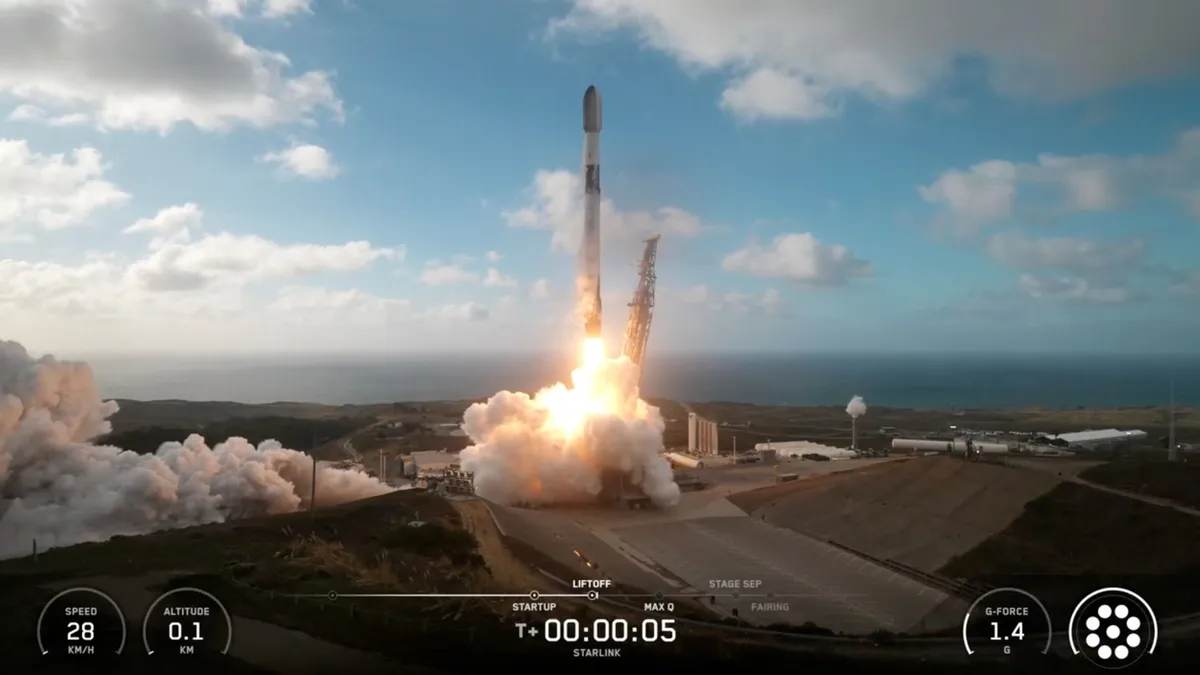
SpaceX launches Starlink satellites from California as Falcon 9 cadence slows (photos) - Space
Soon, it'll be all Starship, all the time.
Glowing plants reveal immune responses around infection sites via two colors - Phys.org
Researchers at the MRC Laboratory of Medical Sciences (LMS) have developed a new way to make glowing biological reporters more accurate, allowing scientists to track gene activity in living plants over days, weeks and potentially even months and years. The approach could help researchers study how plants respond to disease, pests and environmental stress, while opening the door to similar applications in animal and human disease models.

The latest in space science: We look back at the Big Bang - NPR
The latest in space science: We look back at the Big Bang In this edition of Spacing Out, the team from Short Wave shares the latest developments in space science, including the theory on why the universe is made of matter In this edition of Spacing Out, the team from Short Wave discusses the latest space science news
0 comments
No comments yet. Be the first to share your thoughts!