European science ‘hugely dependent’ on US chips - Science|Business
This story deserves to be shared
Send it to someone who'd care, or post it on your networks.
This article is an excerpt. To read the full content, visit the original source. Science|Business
Related articles
α-Tocopherol-dependent occurrence of linoleic acid 11-hydroperoxide in triacylglycerol: what it signifies in food oxidation and quality - Nature
We’re sharing this article early to provide faster access to peer-reviewed, accepted research. It is citable and carries a permanent DOI. This version is subject to further edits and will be replaced automatically by the final Version of Record. All legal disclaimers apply. AbstractAlthough α-tocopherol (α-Toc) suppresses lipid oxidation overall, during linoleic acid oxidation it can paradoxically facilitate the formation of a unique hydroperoxide isomer bearing a hydroperoxyl group at the C11-position. Whether this isomer occurs in real foods and what it signifies in food oxidation and quality have remained unknown. Here, we initially applied a newly developed isomer-selective liquid chromatography–tandem mass spectrometry method to intact triacylglycerol autoxidized in the presence of α-Toc and identified the isomer within the triacylglycerol molecule. Interestingly, its formation coincided with the emergence of the pro-oxidant properties of excess α-Toc, pointing to its potential as an indicator of pro-oxidative conditions.
Molecular architecture of Cryptococcus cell walls reveals species-specific chitosan-dependent remodeling - Nature
We’re sharing this article early to provide faster access to peer-reviewed, accepted research. It is citable and carries a permanent DOI. This version is subject to further edits and will be replaced automatically by the final Version of Record. All legal disclaimers apply. AbstractCryptococcus neoformans and Cryptococcus gattii are fungal pathogens that cause life-threatening infections, including cryptococcal meningitis. A distinctive feature of the cryptococcal cell wall is the extensive deacetylation of chitin to chitosan, a modification that is essential for virulence but whose structural role in cell-wall organization remains poorly understood. Here, we analyze the cell walls of wild-type strains of both species and their avirulent chitosan-deficient mutants, which serve as vaccine candidates. Loss of chitosan disrupted cell morphology and altered cell-wall ultrastructure, with more pronounced defects in C. neoformans. Solid-state NMR reveals that aggregated α-(1→3)-glucans form the principal rigid domain of the cell wall in both species and are closely associated with chitin microfibrils, whereas surrounding β-glucans and mannoproteins constitute a more dynamic matrix.
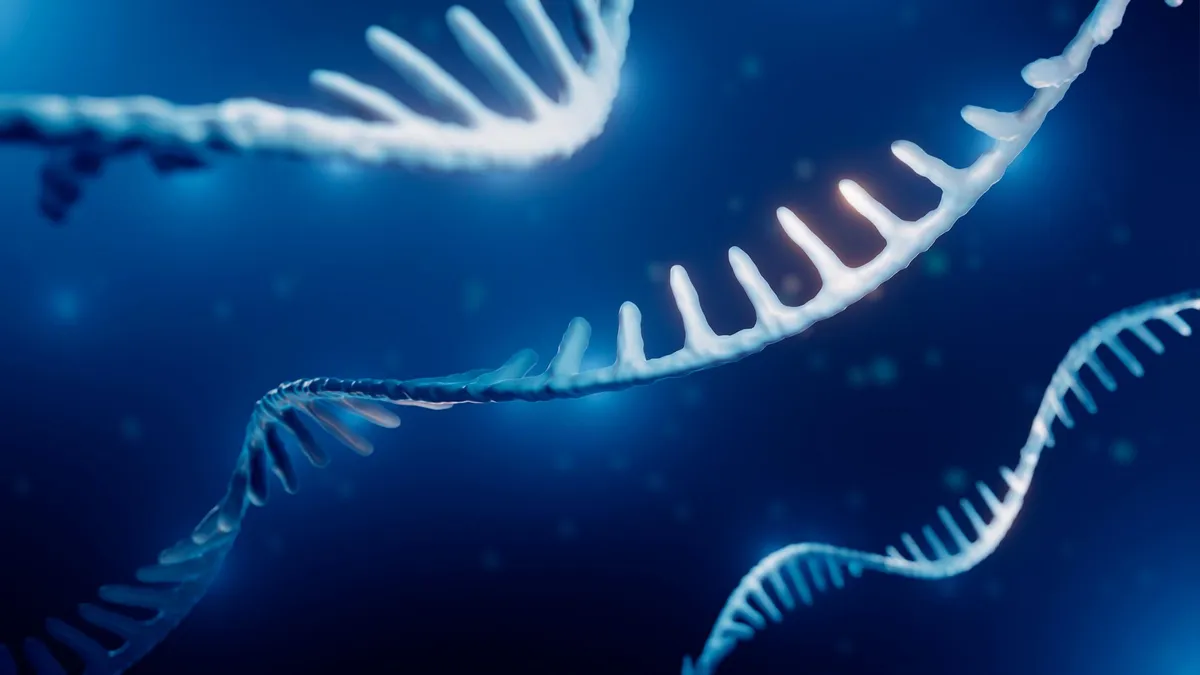
Aging doesn't look the same for everyone at the molecular level — it's 'individualized and context-dependent' - Live Science
People's bodies may reflect their ages very differently at the molecular level, even when they are the same chronological age, according to a new study.
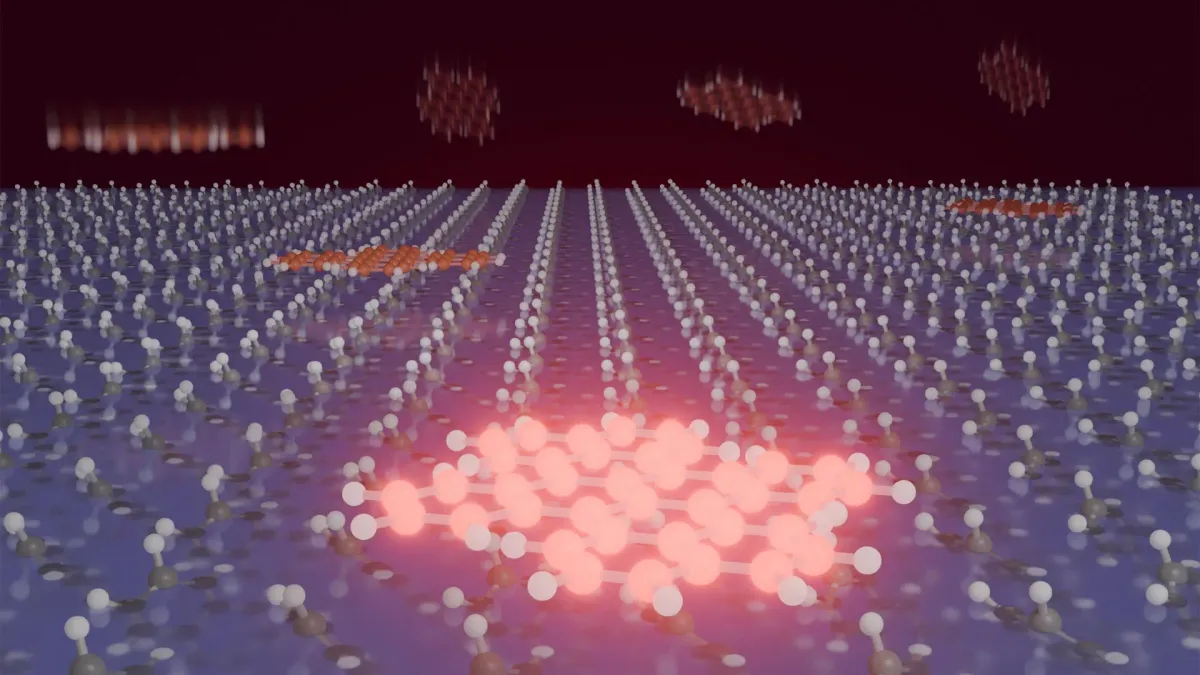
Scientists reach the ultimate quantum limit on a surface - Science Daily
Scientists at the Max Planck Institute for the Science of Light (MPL) have achieved a breakthrough in quantum physics, developing a way to study individual molecules on a surface with extraordinary precision. For the first time, researchers have demonstrated that molecules attached to a surface can reach the ultimate quantum limit of optical coherence, overcoming a major obstacle that has long restricted molecular quantum research. The findings, published in Science, could open new possibilities for investigating how molecules interact with surfaces and developing advanced quantum technologies.
0 comments
No comments yet. Be the first to share your thoughts!