Euclid discovers its first new comet 810 million miles from Earth - Phys.org
This story deserves to be shared
Send it to someone who'd care, or post it on your networks.
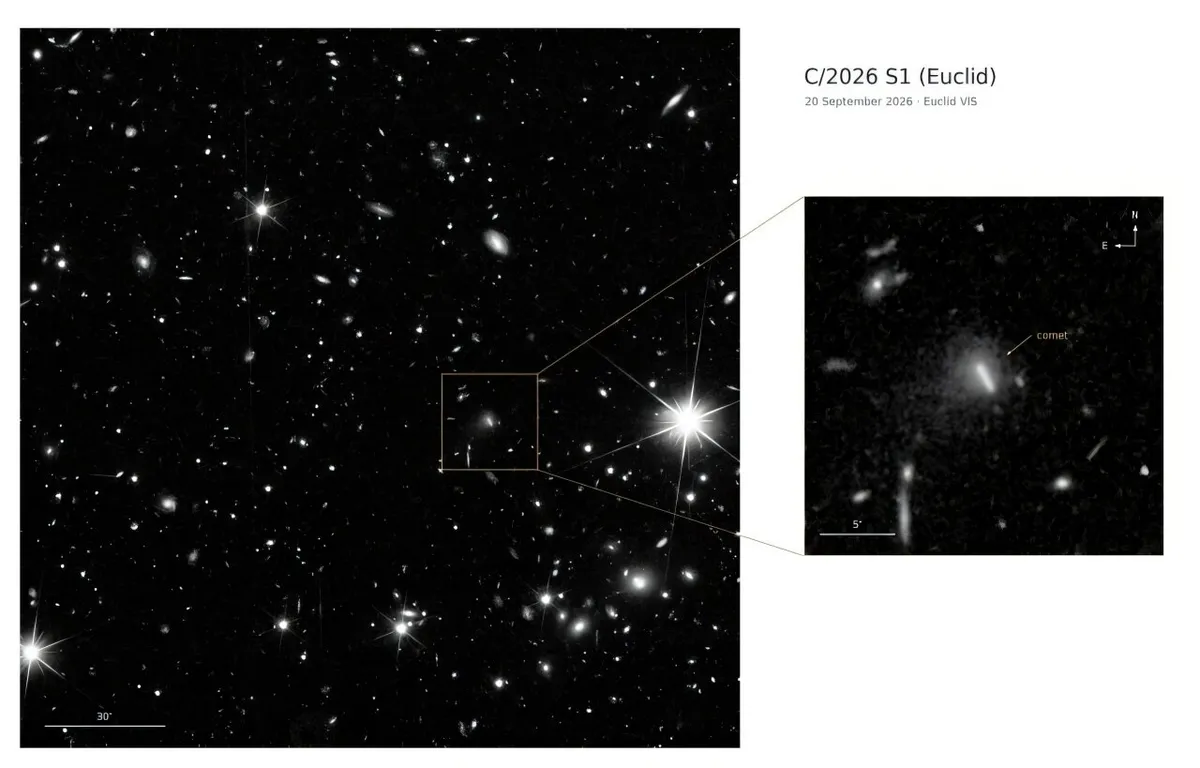
The European Space Agency's Euclid space telescope has discovered its first previously unknown comet in images taken between Sept. 16 and 24, 2026.
The discovery is impressive for a mission that is designed to take deep, steady images of distant galaxies—not to follow fast-moving solar system objects like comets. Furthermore, the quick turnaround between identification and validation demonstrates that Euclid can detect new comets while they are still relatively far from the sun, potentially leading to a suitable target for ESA's future Comet Interceptor mission.
This article is an excerpt. To read the full content, visit the original source. Phys.org
Related articles
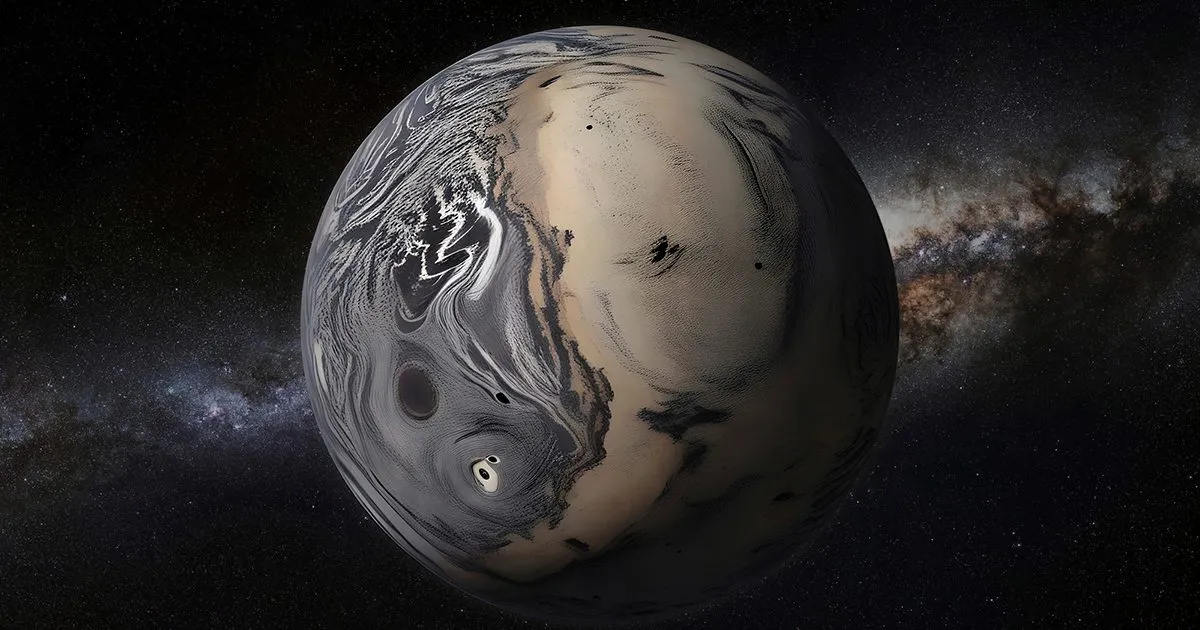
Rogue planets and how the Euclid spacecraft is tracking them down - BBC Sky at Night Magazine
Most people know planets are objects that go around a star, just like Earth goes around the Sun. Rogue planets are objects that have mass similar to planets but are not orbiting stars.
Euclid Space Warps – help us hunt for galaxy-galaxy lense - Max-Planck-Gesellschaft
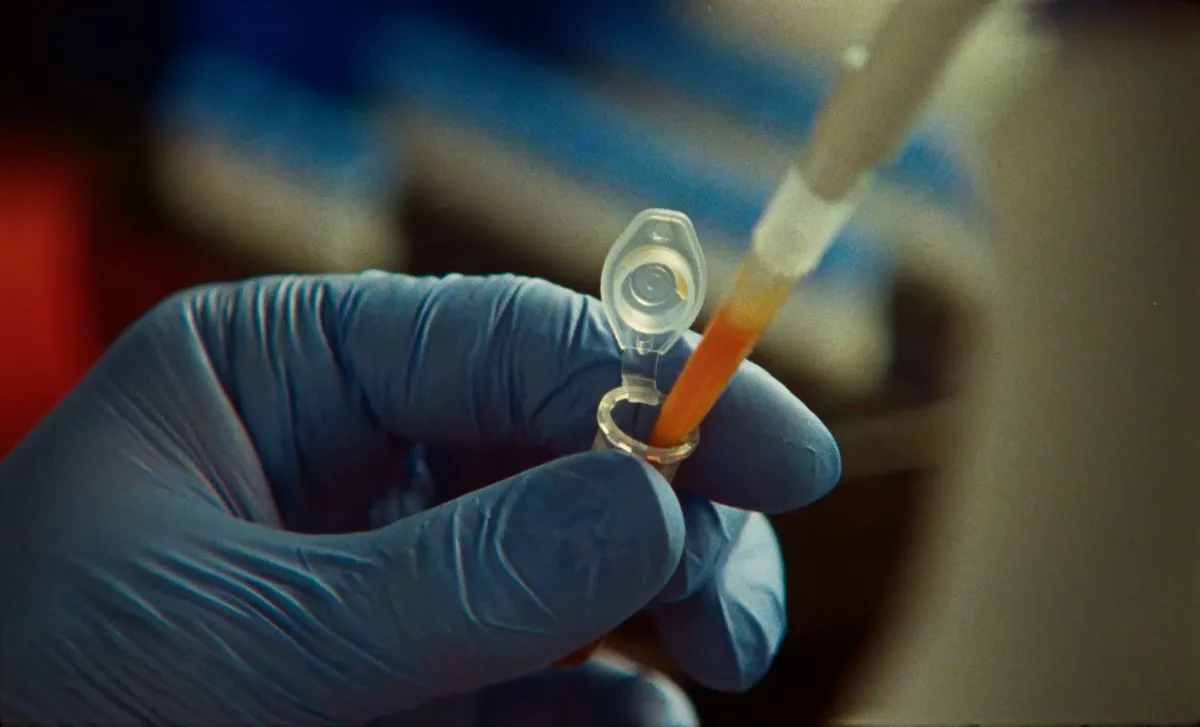
Claude discovers a novel enzyme system with CRISPR-like repeats - Anthropic
We’re introducing a new life sciences research group and laboratory at Anthropic. Our focus is on fundamental biology research using Claude: exploring datasets of DNA to identify uncharacterized protein families, generating hypotheses at scale, and testing them through experiments in the lab. This post introduces the team behind this work and shares early results in which Claude discovered a novel enzyme system with properties reminiscent of CRISPR, with only high-level direction from our scientists. Many discoveries that have revolutionized biology and medicine started with a scientist noticing something odd in the staggering diversity of molecular machines found in nature. Restriction enzymes, proteins that cut DNA at specific short sequences, were found in bacterial immune systems, where they destroy the DNA of invading viruses. Researchers realized they could use these enzymes to cut DNA at chosen places and splice genes from one organism into another, which launched the biotechnology industry. Taq polymerase, an enzyme that copies DNA at high temperatures, was identified in a bacterium in a Yellowstone hot spring.
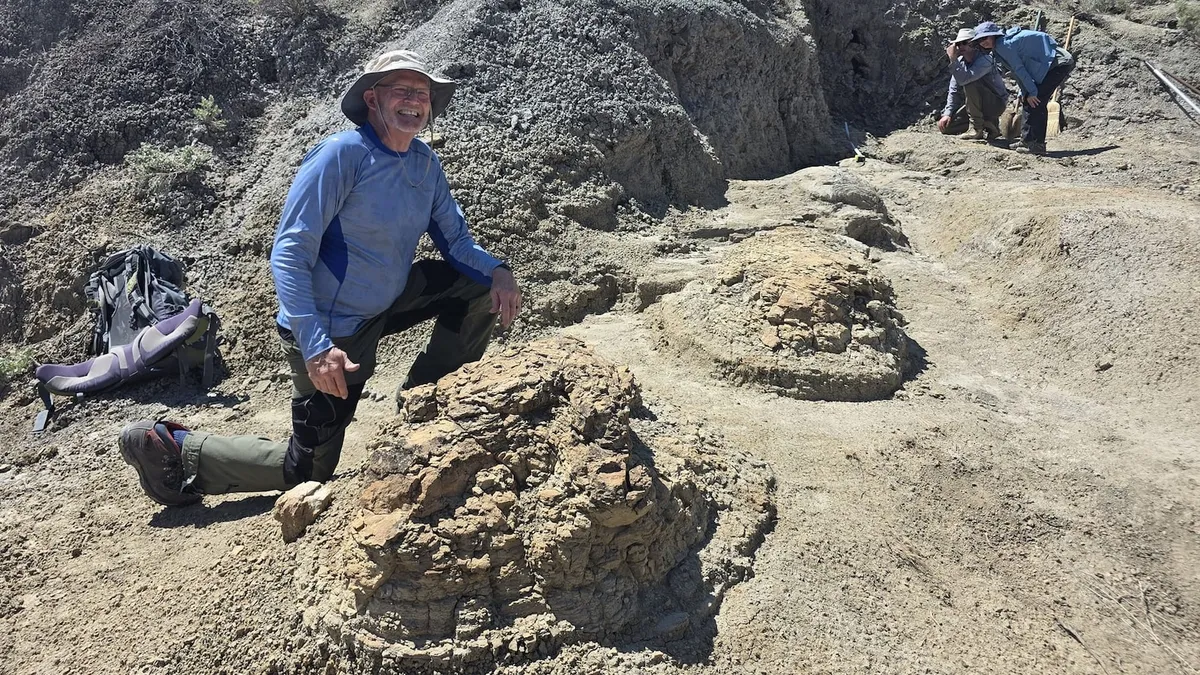
High school science teacher discovers rare T. Rex tracks: 'A real pivotal moment' - ABC News - Breaking News, Latest News and Videos
Kent Hups said he couldn't contain his excitement when he came across several giant three-toed track prints that appeared to be T. Rex footprints in a North Dakota land formation last year. "I immediately started jumping up and down and hooting and hollering," Hups, a high school science teacher and research associate at the Denver Museum of Nature & Science, told ABC News. High school science teacher discovers rare T. Rex track: “A real pivotal moment.”Courtesy of Kent HupsHups discovered four footprints, each about 3 feet long, on a 23-foot trackway that researchers later determined originated from a T. Rex, according to the Denver Museum of Nature & Science. This is the first time scientists have ever discovered a T. Rex trackway, or a sequence of footprints, giving researchers insight into how the dinosaur moved through the landscape, according to the museum. Researchers estimate the tracks are about 66.5 million years old, according to the findings published in the Journal of Vertebrate Paleontology on Sept. 8. Researchers identified a T. Rex as the most likely trackmaker due to the footprints' exceptionally large size, the narrow toes and the abundance of T.
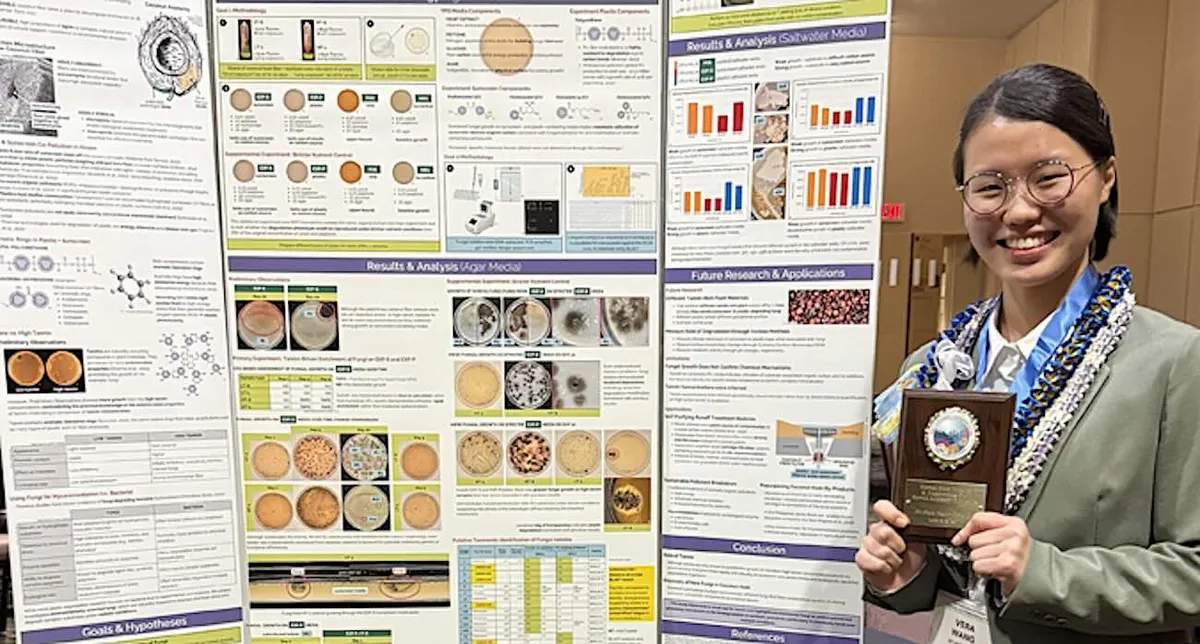
Teen Discovers Coconut Fungi Can Filter Plastic and Sunscreen From Sea—And Wins Science Fair - Good News Network
Coconut fungi experiment by Vera Wang wins awards at 2026 Hawaii State Science and Engineering Fair – Released by SOEST An East Honolulu high school student discovered a fungi in coconut husks that could clean up plastics and sunscreen from the ocean—and her won multiple awards at the Hawaiʻi State Science & Engineering Fair.
0 comments
No comments yet. Be the first to share your thoughts!