ESMO 2026: Key presentations across genitourinary oncology - Urology Times
This story deserves to be shared
Send it to someone who'd care, or post it on your networks.
Take a look through some of the notable data presentations at this year's ESMO Congress. Related to this articleOctober 14th, 2026Delayed diagnosis and skipped nodal staging worsen penile cancer outcomes, according to Luis G. Medina, MD. Read moreOctober 20th, 2026The investigational HIF-2α inhibitor casdatifan demonstrated antitumor activity as monotherapy and in combination regimens across the ARC-20 platform study. Read moreOctober 19th, 2026The agency issued a PDUFA target action date of June 14, 2027. Read moreOctober 19th, 2026Jeffrey M. Spier, MD, reviews evidence on ARPI dose reduction in prostate cancer and discusses monitoring treatment response, tolerability, and dose reescalation. Read moreOctober 19th, 2026Jeffrey M. Spier, MD, discusses managing ARPI-related fatigue through dose adjustments, patient monitoring, and strategies to maintain treatment adherence. Read moreOctober 16th, 2026Long-term QUILT-3.032 findings show durable responses with Anktiva plus BCG in BCG-unresponsive NMIBC, with an estimated 84.2% cystectomy-free survival at 3 years.
This article is an excerpt. To read the full content, visit the original source. Urology Times
Related articles
10 Prostate Cancer Trials to Watch at ESMO 2026 - Oncodaily
The ESMO Congress 2026 will feature new prostate cancer data across localized, hormone-sensitive, castration-resistant, and neuroendocrine disease. The program includes phase III treatment readouts, long-term survival analyses, patient-reported outcomes, and studies examining circulating tumor DNA and genomic biomarkers. Several presentations build on previously reported phase III trials, including TALAPRO-3, CAPItello-281, PROTEUS, and PEACE-1, while DASL-HiCaP will report an interim analysis of treatment intensification with darolutamide and radiotherapy in very high-risk localized disease. Other studies will address neuroendocrine prostate cancer, PSMA radioligand therapy, and the interpretation of liquid-biopsy results for treatment selection. This overview highlights 10 prostate cancer presentations to watch at ESMO 2026.

AJMC | Lymphoma outcomes hinge on oncology, not viral load in people with HIV - European AIDS Treatment Group
AJMC news storyOncologic factors, not HIV viral suppression status, determine how well people with HIV fare after a lymphoma diagnosis, according to a retrospective cohort study published in HIV Medicine. Lymphoma has remained one of the most common cancers in people with HIV since the earliest years of the epidemic, and that risk has persisted even as antiretroviral therapy (ART) transformed HIV from a fatal illness into a manageable chronic condition. A 2024 protocol published in BMJ Open, outlining a planned systematic review to quantify that excess burden worldwide, noted that people with AIDS face roughly 400 times the risk of high-grade non-Hodgkin lymphoma (NHL) and about 15 times the risk of low-grade NHL compared with the general population. Because ART has sharply reduced AIDS-defining malignancies, clinicians have debated whether virologic control should factor into how aggressively to treat a lymphoma, or whether oncologic staging and histology alone should drive therapy.
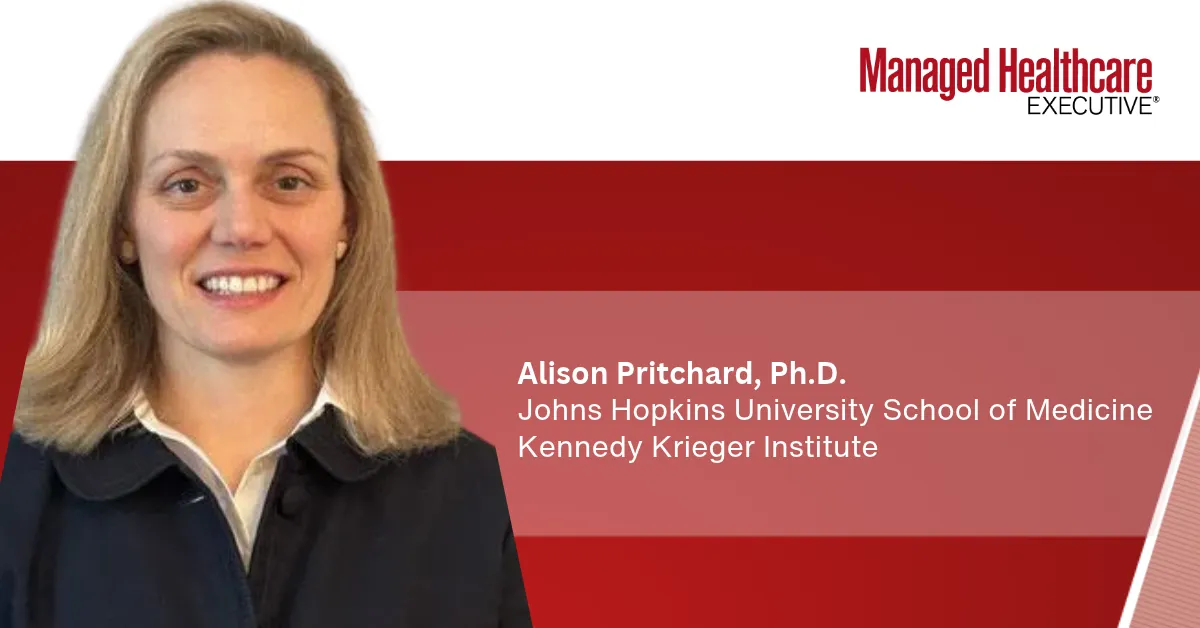
Alison Pritchard, Ph.D., on the treatment expectation gap in pediatric ADHD - Managed Healthcare Executive
On average, caregivers want to see their children with ADHD fall asleep 30 minutes faster, but the best sleep treatments average approximately 20 minutes, a new survey study found. Caregivers of children with ADHD and sleep problems tend to place more weight on improving daytime ADHD symptoms than on improving sleep, and they expect treatment gains larger than current therapies typically deliver, according to a survey study published in the Journal of Attention Disorders. Alison Pritchard, Ph. D., a child clinical psychologist and co-director of the Center for Neuropsychological and Psychological Assessment at Kennedy Krieger Institute in Baltimore, was the lead author. The study, ‘What Matters to Caregivers of Youth With ADHD: Defining the Minimum Clinically Important Difference for Sleep Treatment,’ surveyed 100 caregivers in the waiting area of an outpatient department where children were being seen for psychological or neuropsychological evaluation. Approximately half of the families had commercial insurance and about half used medical assistance.
Research updates, October 20 - The Sick Times
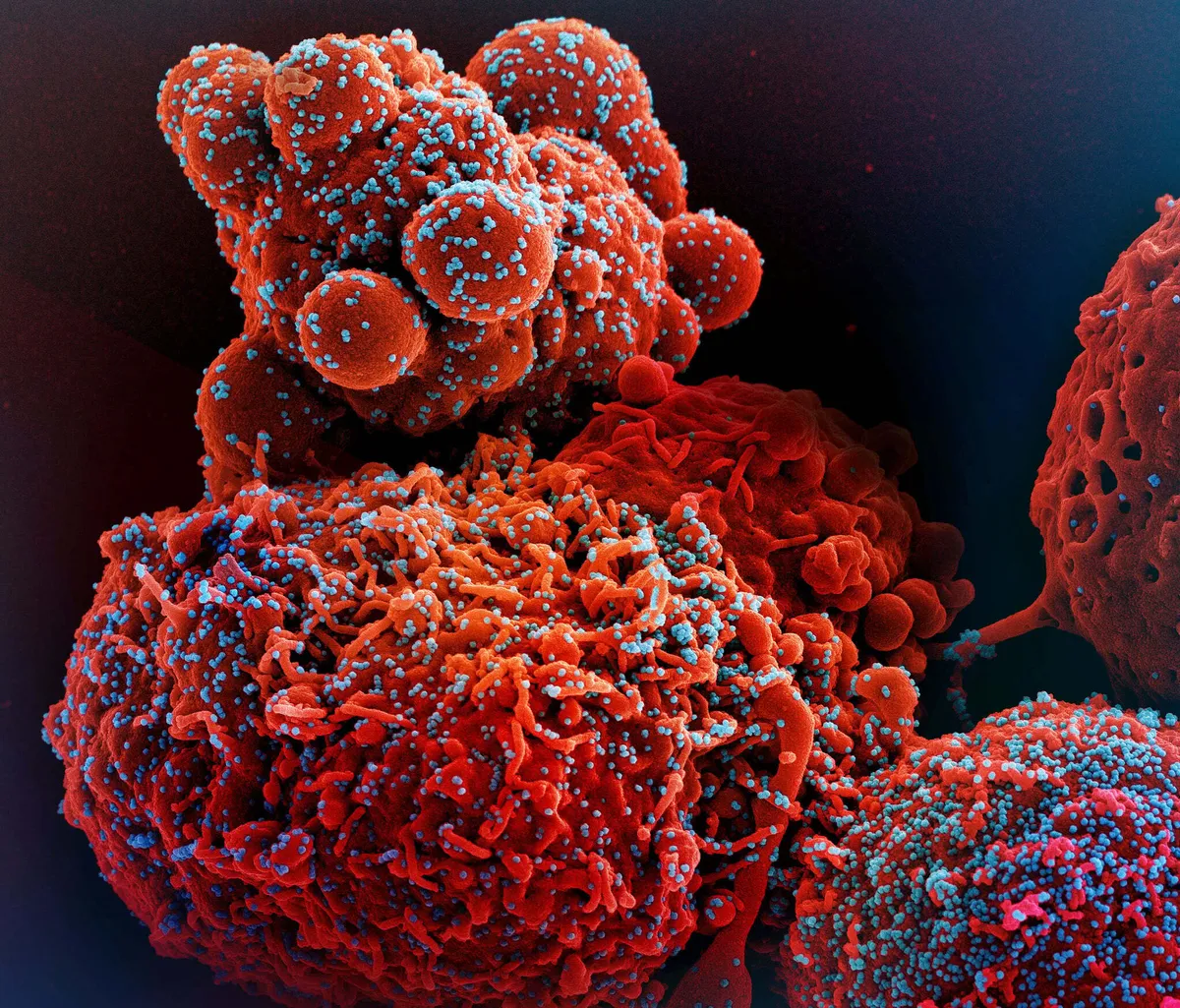
SARS-CoV-2 virus particles on a cell. Source: National Institute of Allergy and Infectious Diseases (NIAID) A large Long COVID review found mechanisms of “accelerated biological aging” in young adults. The review was published in Ageing Research Reviews and synthesized 110 mechanistic and epidemiological Long COVID studies on adults ages 25–55. The Chinese researchers found that inflammation and blood vessel damage may contribute to aging, while the disease may also increase the risk of early cardiovascular events. The review adds more evidence to the impact of infections on aging.
0 comments
No comments yet. Be the first to share your thoughts!