Discussions with the gene editor - Nature
This story deserves to be shared
Send it to someone who'd care, or post it on your networks.

Ahead of his 45th birthday, Feng Zhang, James and Patricia Poitras Professor of Neuroscience at the Massachusetts Institute of Technology, discussed his life in science.
This is a preview of subscription content, access via your institution
This article is an excerpt. To read the full content, visit the original source. Nature
Related articles
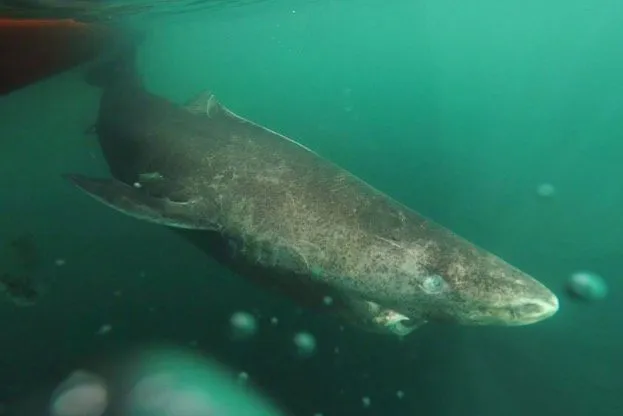
It's 7 metres long, can weigh almost a tonne and can live for 400 years or more – meaning some around today were born in 1626... - BBC Wildlife Magazine
The Greenland shark is one of the world’s largest sharks, but it grows slowly, at only a few centimetres over several years, hinting at a long lifespan. But until 2016 biologists could only guess at the life expectancy of these little-understood creatures.
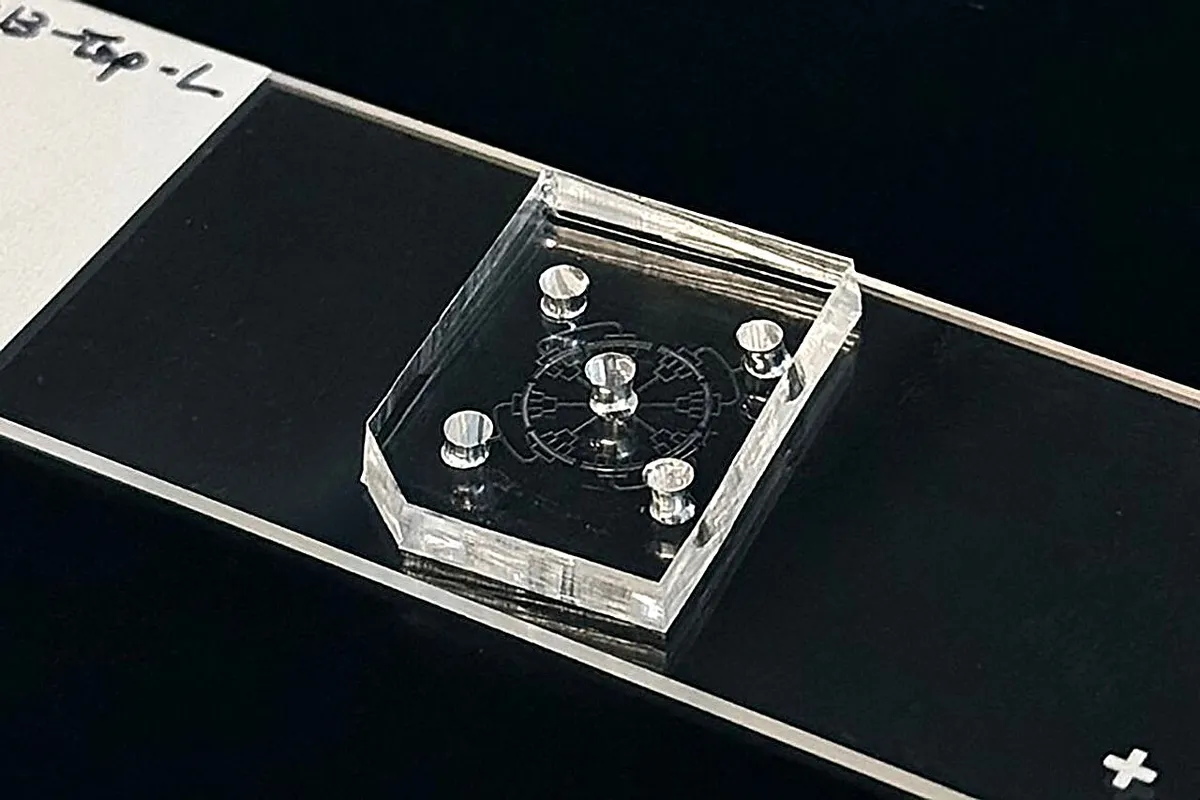
A quick squeeze helps CRISPR turn skin cells into neurons more efficiently - Phys.org
This microfluidic device squeezes mouse skin cells as they pass through, loosening their tightly packed DNA so CRISPR tools can reach and switch on genes to make cell reprogramming more efficient. Credit: Song Li Lab/UCLA Human cells hold about two meters (6.6 feet) of DNA, folded and compacted to fit inside a nucleus. That packing is essential for life, but it creates a problem for scientists. Some of the genes that control a cell's identity are buried so deep in tightly packed DNA that gene-targeting tools such as CRISPR activation, or CRISPRa, struggle to reach them.

Experiment shows when quantum 'cat' states stop bouncing back - Phys.org
Progressive transition from reversible to irreversible decoherence. Credit: Physical Review Letters (2026). DOI: 10.1103/t2yx-9bqh Quantum systems can occupy superpositions, quantum states that combine different possibilities. For instance, a microwave field can be prepared in a superposition of an empty state and a state that contains microwave light.
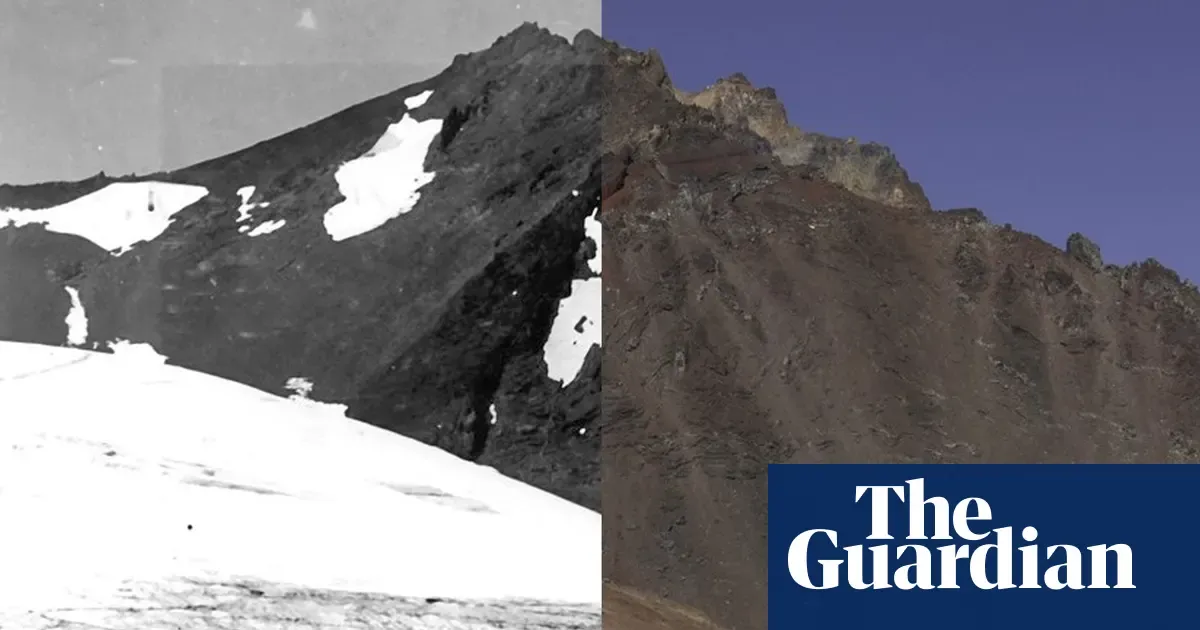
The US west has lost nearly 300 glaciers since the 1960s. Climate crisis is drastically shrinking what’s left - The Guardian
Across the US west, rising temperatures are causing glaciers to retreat to the point of vanishing. About 300 glaciers have disappeared since the 1960s, with almost all of the rest set to drastically shrink as the climate crisis continues to escalate, a new study has found. At the midpoint of the last century more than 1,450 glaciers – large tongues of ice, snow and rock that move under their own weight and gravity – were threaded throughout the mountains of the American west, providing cool water for ecosystems and agriculture as they gradually melted. Some, in the Sierra Nevada of California, were formed a few thousand years ago while others, such as those in the Pacific north-west, are remnants from even further back in the last ice age, which ended about 11,700 years ago. The long stories of these perennial masses of ice are coming to a rapid end, however, due to global heating caused by the burning of fossil fuels. The total area of glaciers in the US west has shrunk by a third since the 1960s, the new research found, with evidence this loss is speeding up as temperatures continue to rise.
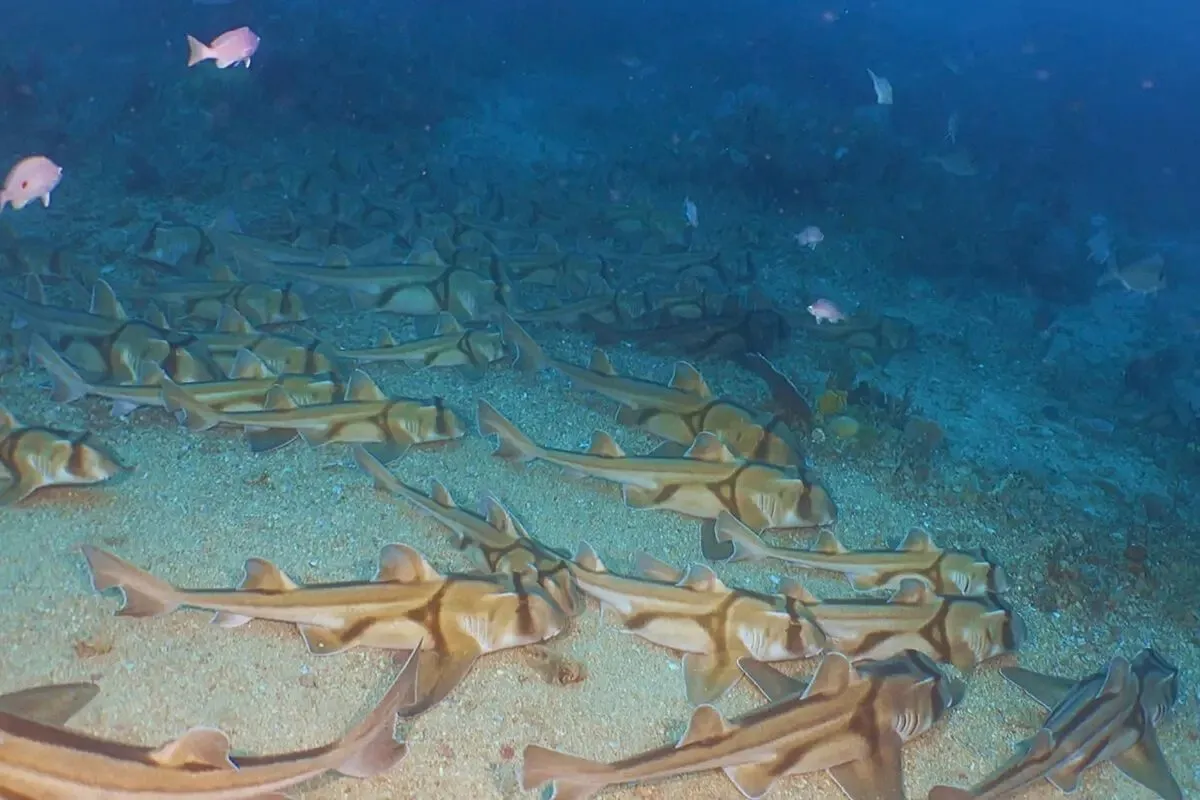
Underwater robot stumbles across thousands of sharks all packed together and asleep on the seabed – stunning scientists - BBC Wildlife Magazine
Researchers on an expedition to Beagle Marine Park, Australia, stumbled across a blanket of thousands of sleepy Port Jackson sharks snoozing on the seabed. Back in 29024 scientists from the University of Tasmania Institute for Marine and Antarctic Studies (IMAS) captured stunning footage of the dozing sharks from an underwater robot that had been deployed from the South Australian Research and Development Institute (SARDI) research vessel MRV Ngerin.
0 comments
No comments yet. Be the first to share your thoughts!