A quick squeeze helps CRISPR turn skin cells into neurons more efficiently - Phys.org
This story deserves to be shared
Send it to someone who'd care, or post it on your networks.
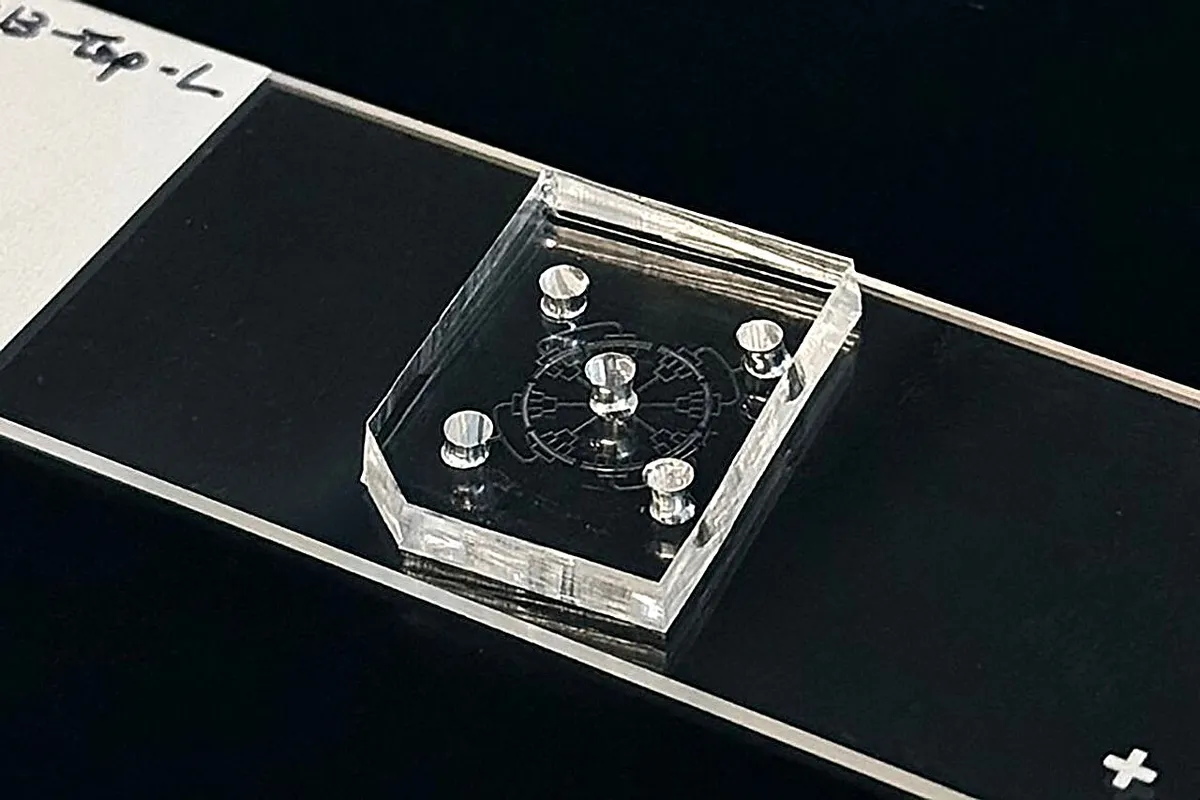
This microfluidic device squeezes mouse skin cells as they pass through, loosening their tightly packed DNA so CRISPR tools can reach and switch on genes to make cell reprogramming more efficient. Credit: Song Li Lab/UCLA
Human cells hold about two meters (6.6 feet) of DNA, folded and compacted to fit inside a nucleus. That packing is essential for life, but it creates a problem for scientists. Some of the genes that control a cell's identity are buried so deep in tightly packed DNA that gene-targeting tools such as CRISPR activation, or CRISPRa, struggle to reach them.
This article is an excerpt. To read the full content, visit the original source. Phys.org
Related articles

Scientists Find Hidden Information in The Shape of Neurons' Electrical Signals - ScienceAlert
What else might be hidden in the electrical language of the cells in our brains? Neuroscientists often record the activity of neurons as a series of simple events: A cell produces an electrical pulse, or it does not. When and how often those pulses appear can tell researchers a great deal about the brain. But a new preprint study may have found a detail this approach overlooks. The millisecond-long electrical sparks produced by neurons are not all identical. Their shapes seem to offer clues about what the cell has recently experienced. That means an electrical signal may carry more information than the simple binary mark used to represent it. University of California, San Diego neuroscientist Bradley Voytek told ScienceAlert that these electrical pulses, known as action potentials, look like simple, uniform spikes only when viewed from a distance. The study has yet to be peer-reviewed, and the researchers urge some caution until it has been. But it adds to a growing picture of how much detail a single neural signal might contain.

Depression may shut down the brain’s ability to make new neurons - Science Daily
Most of the brain's roughly 100 billion neurons are produced before birth. However, the small number of new neurons that continue to form in the adult hippocampus may play an important role in protecting against depression, according to new research from Columbia University Vagelos College of Physicians and Surgeons. The findings provide the first evidence that neurogenesis, the process of producing new neurons, stalls in the brains of adults with major depressive disorder. Researchers also identified molecular programs involved in controlling this process, offering potential clues for developing new treatments.

Ozempic does something unexpected to the brain’s hunger neurons - Science Daily
For decades, medications for obesity typically delivered only modest reductions in body weight. That changed with the arrival of Ozempic and other GLP-1 therapies, which can produce sustained weight loss of 10 to 15% or more. Yet despite their remarkable effectiveness, scientists still do not fully understand what these medications are doing inside the brain. New research from Yale has now uncovered an unexpected mechanism that challenges a long-standing view of the brain circuits involved in hunger and weight control. Scientists had generally thought that agouti-related peptide (AgRP) neurons, which are well known for stimulating hunger, worked mainly against weight loss. The new findings suggest something very different. During treatment with GLP-1 drugs such as Ozempic, these neurons appear to be recruited to help maintain fat loss.
Scientists discover neurons must break their DNA to build the brain - Science Daily
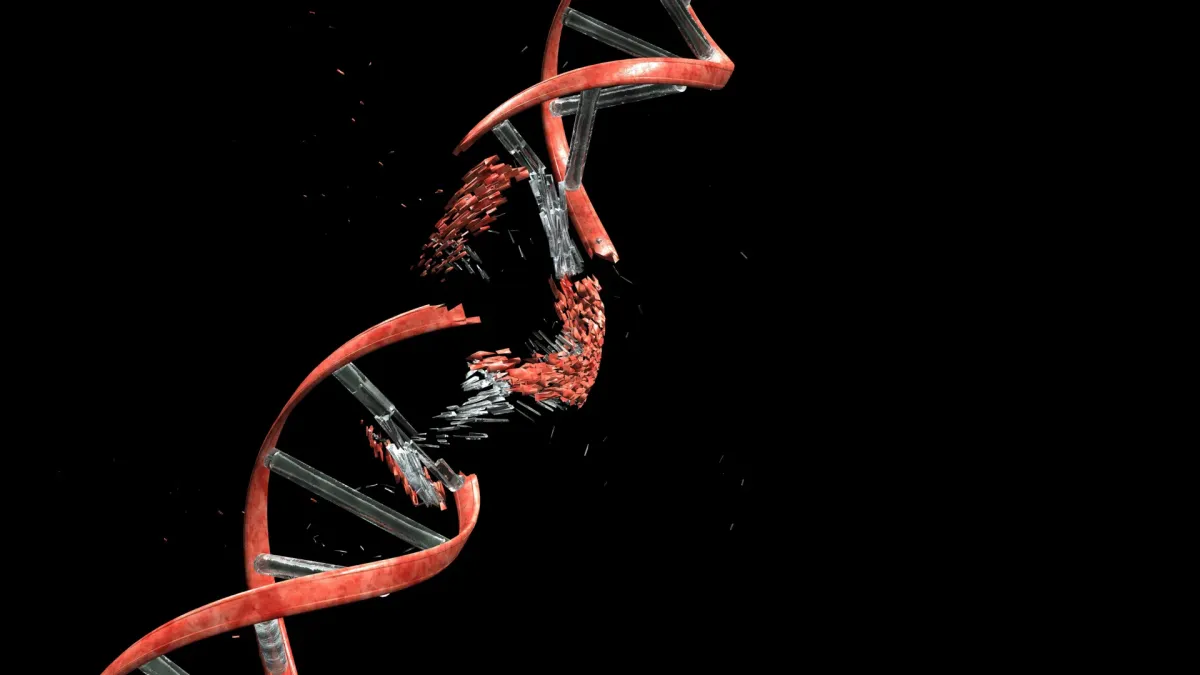
As the brain develops, newly formed neurons must travel through tightly packed tissue to reach their final destinations in the cerebral cortex, where they become part of the brain's communication network. This journey forces the cells through narrow gaps between fibers and neighboring cells. A new study published in Nature has revealed an unexpected consequence of that process. Researchers from Kyoto University's Institute for Integrated Cell-Material Sciences (WPI-iCeMS) and collaborating institutions found that migrating neurons routinely experience significant DNA damage. Specifically, the cells develop double-strand breaks, a severe form of DNA damage in which both strands of the DNA double helix are cut.
0 comments
No comments yet. Be the first to share your thoughts!