Democratizing CRISPR? Legal complexity, access and the right to science - Nature
This story deserves to be shared
Send it to someone who'd care, or post it on your networks.
This article is an excerpt. To read the full content, visit the original source. Nature
Related articles
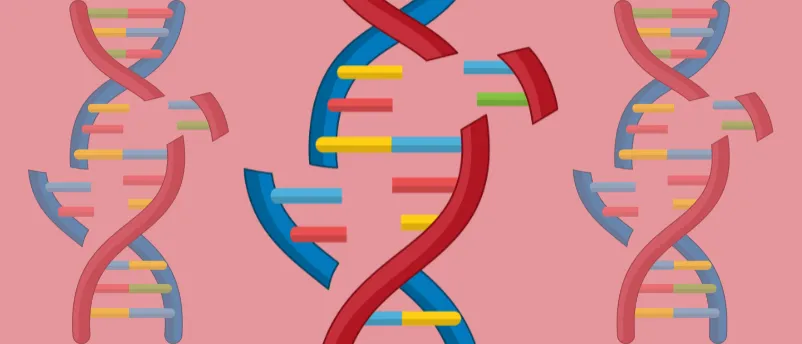
New gene editing system offers promising CRISPR alternative - BioTechniques
Original story from Cornell University (NY, USA). A new engineered gene editing system, proven in bacteria and with promise for use in plants, animals and humans, addresses some of the limitations of current gene editing tools with the hope of improving their applications for research, for better crops or to treat diseases.
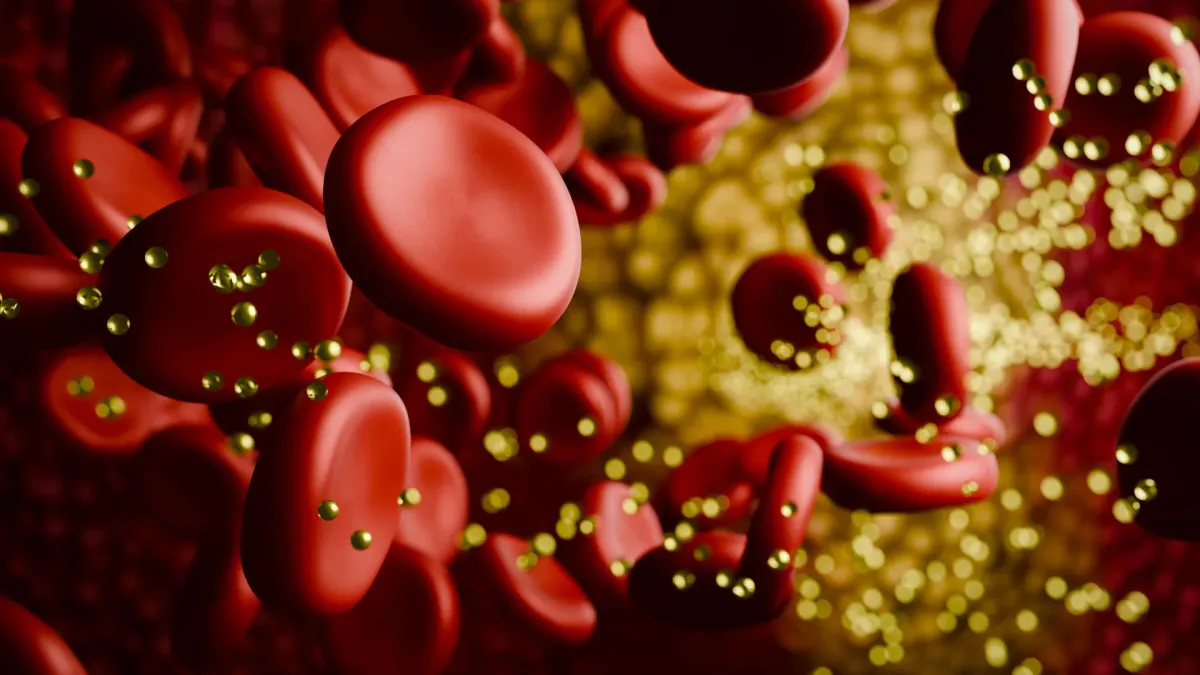
One CRISPR treatment cut “bad” cholesterol in half for a full year - Science Daily
A first-in-human Phase 1 clinical trial from Cleveland Clinic found that a single infusion of a CRISPR-Cas9 gene-editing therapy produced lasting reductions in LDL ("bad") cholesterol and triglycerides in people with lipid disorders that had not responded adequately to medications. The study followed 15 patients for one year to determine whether the cholesterol and triglyceride reductions previously reported after two months would continue over time. After 12 months, participants who received the highest dose had a 52.5% reduction from baseline in LDL cholesterol and a 47.8% drop in triglycerides.
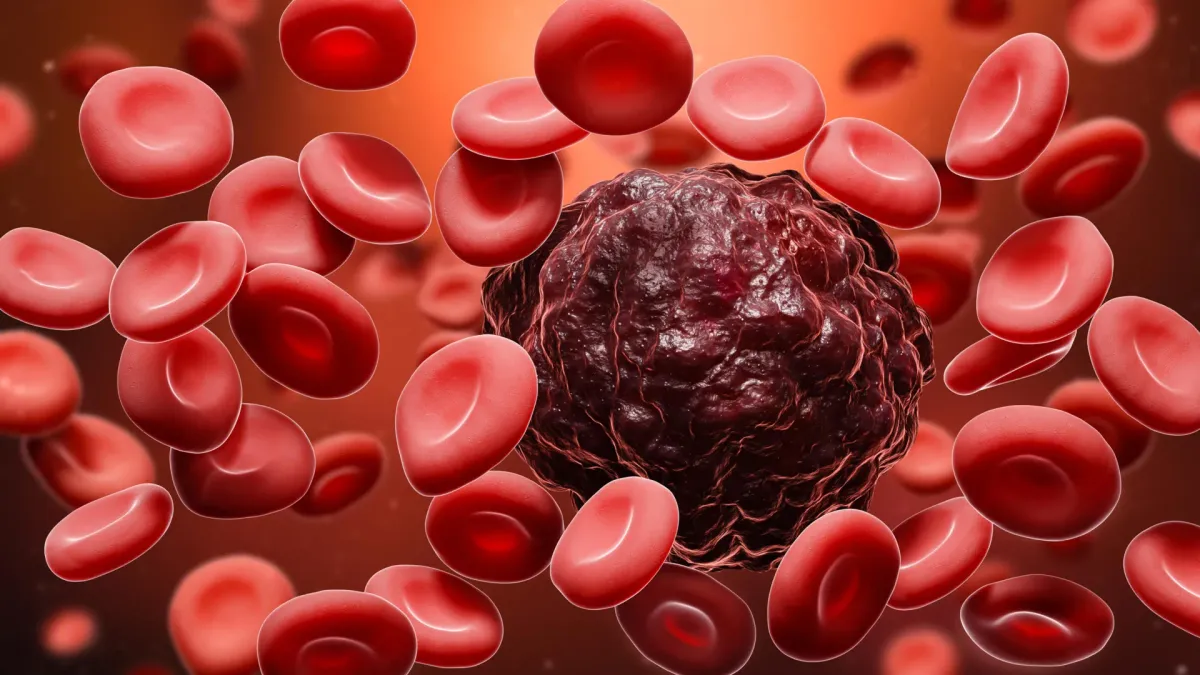
CRISPR could help doctors attack blood cancer without destroying healthy cells - Science Daily
For some of the most aggressive blood cancers, a stem cell transplant may be the only treatment with the potential to cure the disease. Even so, cancers can return after transplantation, leaving doctors with limited options. A new clinical trial led by researchers at Washington University School of Medicine in St. Louis suggests that genetically modifying donor stem cells before transplantation could make follow-up cancer treatments safer and potentially more effective. The strategy removes a specific protein from donor cells so that therapies aimed at that protein can attack cancer while sparing healthy transplanted cells.
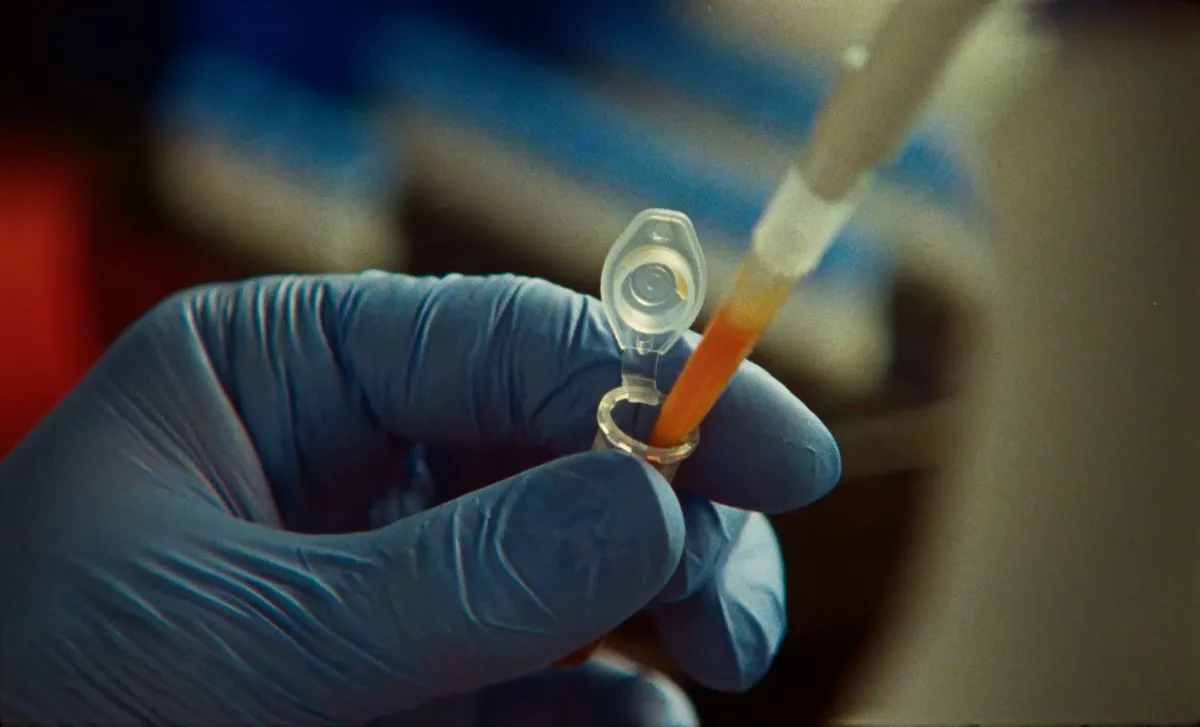
Claude discovers a novel enzyme system with CRISPR-like repeats - Anthropic
We’re introducing a new life sciences research group and laboratory at Anthropic. Our focus is on fundamental biology research using Claude: exploring datasets of DNA to identify uncharacterized protein families, generating hypotheses at scale, and testing them through experiments in the lab. This post introduces the team behind this work and shares early results in which Claude discovered a novel enzyme system with properties reminiscent of CRISPR, with only high-level direction from our scientists. Many discoveries that have revolutionized biology and medicine started with a scientist noticing something odd in the staggering diversity of molecular machines found in nature. Restriction enzymes, proteins that cut DNA at specific short sequences, were found in bacterial immune systems, where they destroy the DNA of invading viruses. Researchers realized they could use these enzymes to cut DNA at chosen places and splice genes from one organism into another, which launched the biotechnology industry. Taq polymerase, an enzyme that copies DNA at high temperatures, was identified in a bacterium in a Yellowstone hot spring.
0 comments
No comments yet. Be the first to share your thoughts!