Data Science, IoT, and Sustainability: An Innovative Raspberry Pi Project at the University of Parma - Università degli studi di Parma
This story deserves to be shared
Send it to someone who'd care, or post it on your networks.
This article is an excerpt. To read the full content, visit the original source. Università degli studi di Parma
Related articles
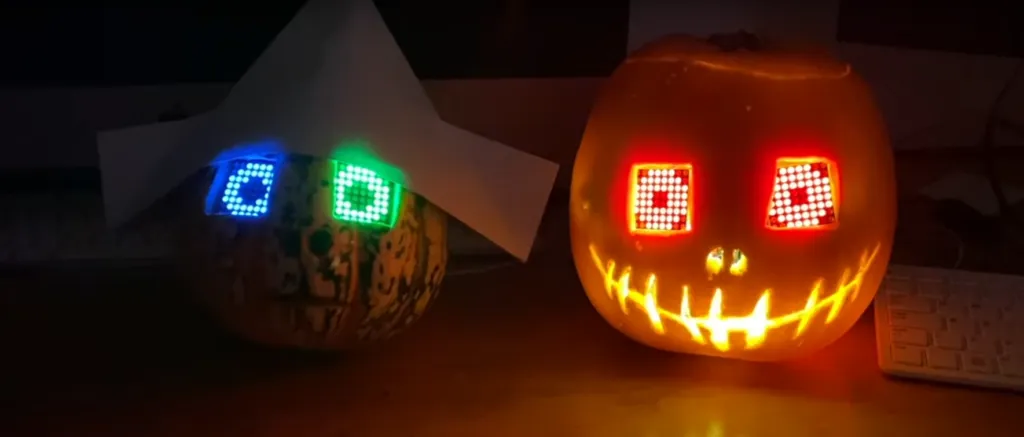
A Raspberry Pi Pico Halloween - Raspberry Pi
Welcome, foolish mortals, to another year of haunted hacks from Raspberry Pi Official Magazine. These brutal builds are sure to send a chill down your spine and ‘liven up’ even the putrid parties of the undead. This year we’re focusing on the tiny Raspberry Pi Pico as the dark driver of your foul festivities – don’t be fooled by its small stature, though; it too can produce supernatural spooks to scare your gruesome guests. So start practising your programming sorcery – the witching hour awaits…

Photonic Grating Chip Reduces Strontium Frequency Uncertainty Over Fifty Times - AZoM
The Korea Research Institute of Standards and Science (KRISS, President Dr. Ho Seong Lee) has re-measured a key transition frequency of the strontium (Sr) atom for the first time in 88 years since 1938, using a photonic grating chip, and has established a new absolute frequency value with a measurement uncertainty reduced by more than 50 times. By securing an accurate reference value needed for next-generation quantum technologies ahead of time, this achievement is expected to greatly contribute to the precise control and miniaturization of quantum devices, including atomic clocks and neutral-atom quantum computers. Strontium is an atom widely used in precision quantum technologies such as optical lattice clocks and quantum sensors. To use strontium in these technologies, fast-moving atoms must be slowed down and trapped with precisely tuned lasers, and for this, it is essential to know exactly the resonant frequency of the laser light for the atomic transition.
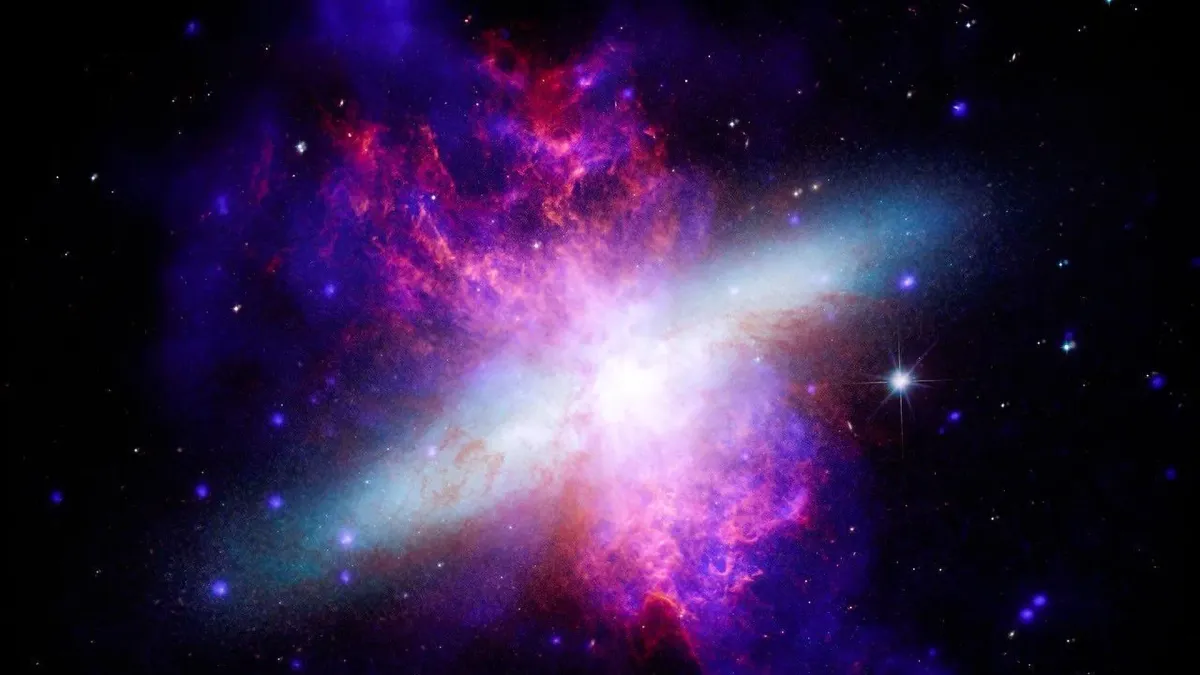
NASA reveals 16 stunning galaxies hiding cosmic chaos - Science Daily
Some galaxies glow with sweeping spiral arms, while others are shaped by violent collisions, powerful black holes, and explosive bursts of star formation. A newly released collection of 16 images from NASA's Chandra X-ray Observatory and other telescopes reveals the extraordinary diversity of these cosmic structures. Like precious gemstones, galaxies come in many shapes and sizes, each with characteristics that tell a story about its history. Astronomers generally classify them into three major groups. Spiral galaxies, including our Milky Way, have winding arms extending from their centers. Elliptical galaxies typically contain older stars and are often thought to form through galactic mergers. Irregular galaxies have less orderly structures and can display a wide variety of cosmic activity.

7 Plants You Need To Protect From Animals (Not the Cold) In October – Before Winter Damage Is Done - Homes and Gardens
Worried about winter damage from wildlife? Identify plants most at risk and take these essential steps now

Finding neuroheterogeneity’s sweet spot - The Transmitter
Neurons are a motley crew, varying widely in connectivity and firing properties. But computational models of the brain usually treat neurons as identical. “The convention in the field is homogeneity,” says Scott Rich, assistant professor at the University of Connecticut. Heterogeneity makes models mathematically complex and unwieldy, so researchers have shied away from incorporating it, he says. “But it shouldn’t be [omitted] if we really want to understand how the brain works.”
0 comments
No comments yet. Be the first to share your thoughts!