Could history repeat itself? How past Super El Niño winters offer clues about what's ahead
This story deserves to be shared
Send it to someone who'd care, or post it on your networks.
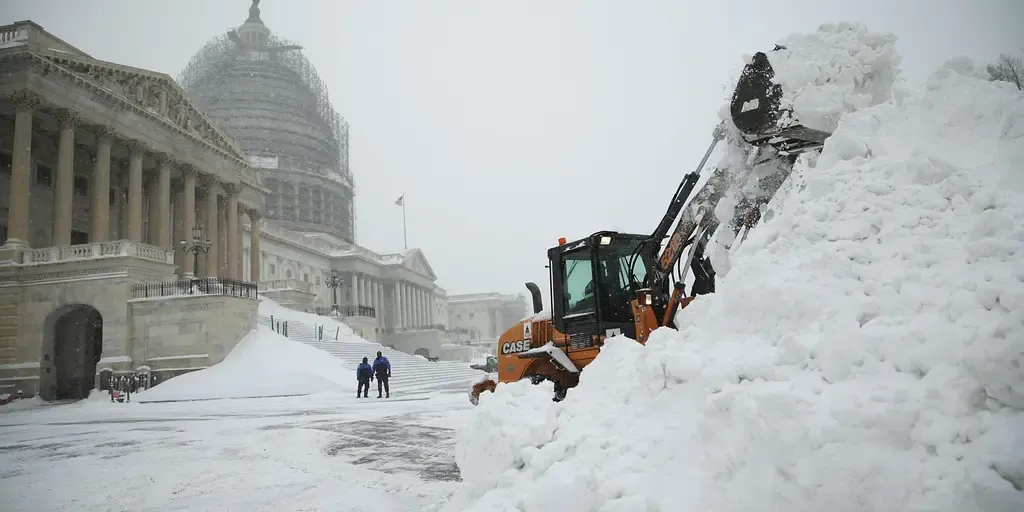
Super El Niño is brewing to bring an impactful winter Winter is near, and super El Niño is forecast to make it quite a winter to remember. FOX Weather Meteorologists Stephen Morgan, Bayne Froney, Britta Merwin and Craig Herrera break down the forecast and talk about past El Niño events similar to this one. Forecasts show this winter could see the strongest El Niño ever recorded, which could have significant impacts on different parts of the U. S. But will it look similar to the Super El Niños of history? According to the FOX Forecast Center, there have been three winters since 1990, which were Super El Niño: 1991-92, 1997-98 and 2015-16. SUPER EL NIÑO FUELED WINTER COULD UNLEASH MORE STORMS, DRIVING MORE ACTIVE PATTERN INTO THE SOUTHWhile 1991-92 and 1997-98 followed very similar patterns, 2015-16 took an entirely different route, proving that just because the climate pattern is the same, doesn't mean it'll have the same effects. Winter 1991-1992 In 1991, El Niño kicked off with a blockbuster snowstorm, a Halloween blizzard that slammed Minnesota and Wisconsin, burying parts of the state under feet of snow.
This article is an excerpt. To read the full content, visit the original source. Fox Weather
Related articles
Can October Snow Predict Your Winter? I Tested a Famous Forecast Signal Across 47 Winters
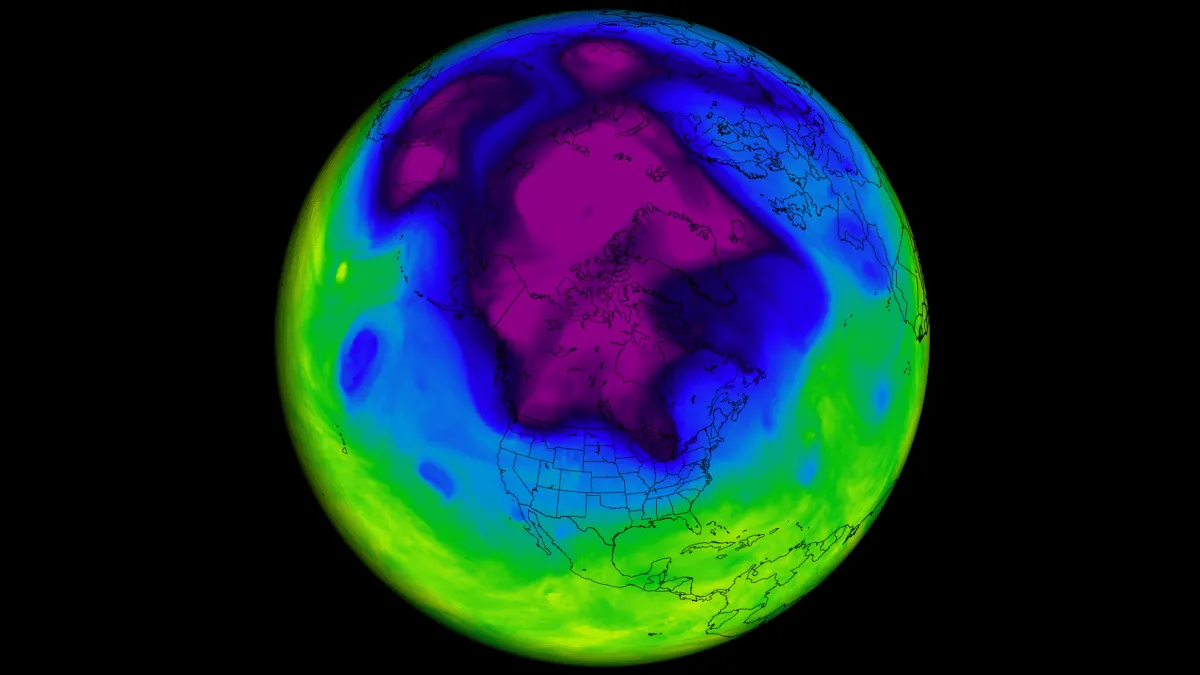
Every fall, the same question appears on weather forums and social media: Is snow spreading fast across Siberia? Many weather enthusiasts believe that a quick October snow advance there is an early warning sign of a cold, snowy winter for the United States, Canada, and Europe. This idea comes from a famous scientific study published in 2011, and it has been repeated every winter since. With a fast snow surge forecast again this October, I decided to test whether it still works in the modern era. I went through 47 winters of data, from 1979 to 2025, using four different snow datasets, including the satellite data used in the original study. The results were surprising, and they change how we should read this October’s snow. Below, I explain how October snow is supposed to disrupt the Polar Vortex, why the theory looked so convincing, what the data really shows, and what the latest forecasts indicate for Winter 2026/2027. In 2011, scientists Judah Cohen and Justin Jones found a remarkable winter signal. They measured how fast snow cover expanded across Eurasia during October and its potential impact on the following winter season.
Orionid meteor shower 2026: cloud cover forecast by region
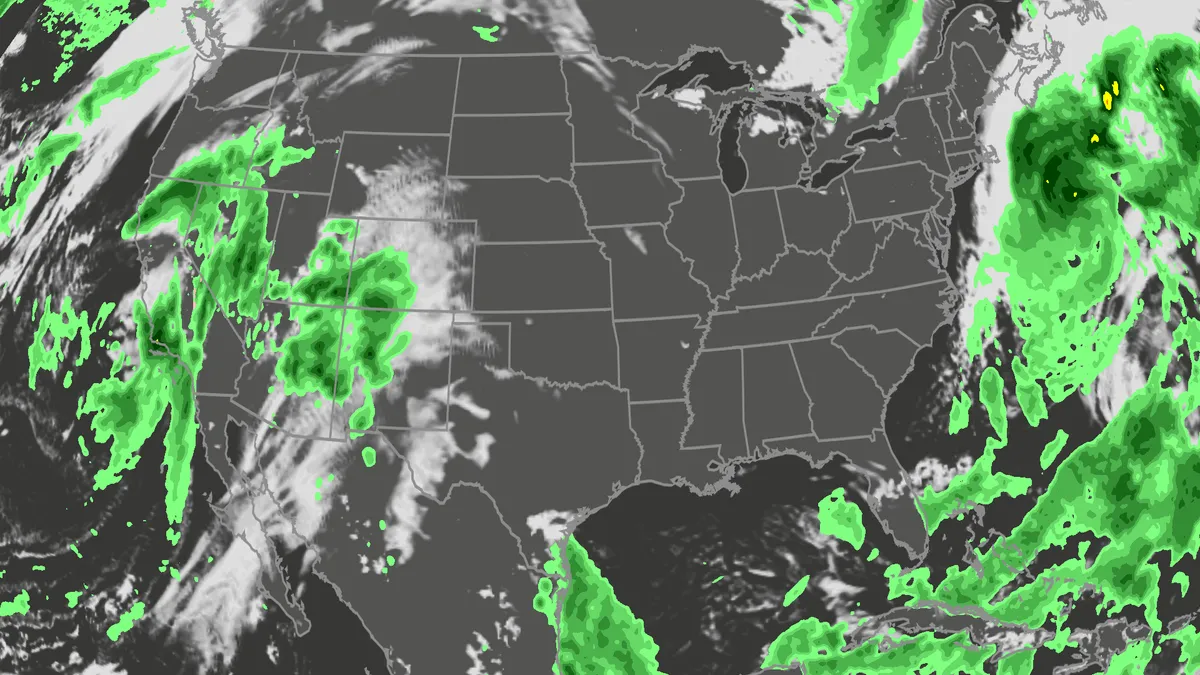
A meteor streaks across the sky over a desert in China during the Orionid meteor shower on Oct. 22, 2023.(VCG/VCG via Getty Images)The Orionid meteor shower is peaking this week, and it promises to be one of the most dazzling displays of the year. And while some of you will have clear skies, rain and clouds could impact the view for others. Here's what you need to know about the Orionids and your forecast:Fast factsPeak day: The meteor shower peaks Wednesday night, Oct. 21, into the early hours of Thursday morning, Oct. 22. Peak time: From midnight to dawn are the best hours to catch the meteors streaking through the sky, so plan on a late night or really early morning. What the Orionids are known for: The Orionid meteors are known for their brightness and their speed. As they streak across the sky at around 41 miles per second, the meteors leave behind a glowing "train" that can last several seconds to minutes. While you can make the perfect plan to catch the Orionids, the key to stellar viewing is still in Mother Nature's hands. The good news is that many of you should have good meteor shower-watching conditions. Much of the central and eastern U. S.
Flood risk, severe storms threat from California to Colorado
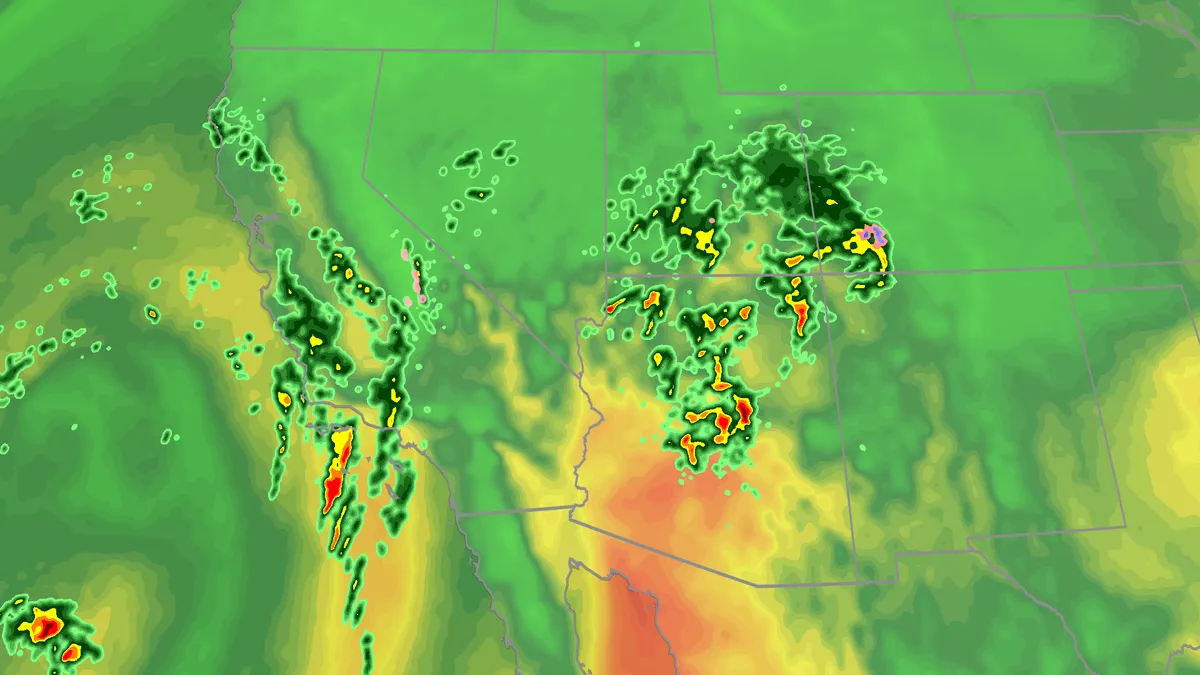
Hurricane Trudy will bring flood threat to the Southwest USTropical moisture and favorable atmospheric conditions will fuel a multiday flood risk this week across seven states from California to Colorado. Severe storms are also likely, especially across Arizona. Days of rain will bring a threat of debris flows and landslides, especially across burn scars. Timing out this week’s rainfallWednesday: The highest risk of flooding on Wednesday covers much of Arizona and New Mexico, and portions of Colorado and Utah, as well as Southern California. There will be an abundance of moisture available to support heavy downpours and training storms. This means storms will produce heavy rain over the same areas for long periods of time. The Weather Prediction Center is forecasting rainfall rates as high as 2 inches per hour. Some of the biggest concerns will be the possibility of mudslides over recent burn scar areas as well as slot canyons and arroyos. If you have plans to visit any of the national parks in the West this week, make sure you check the forecast daily and pay attention to any warnings or advisories issued.
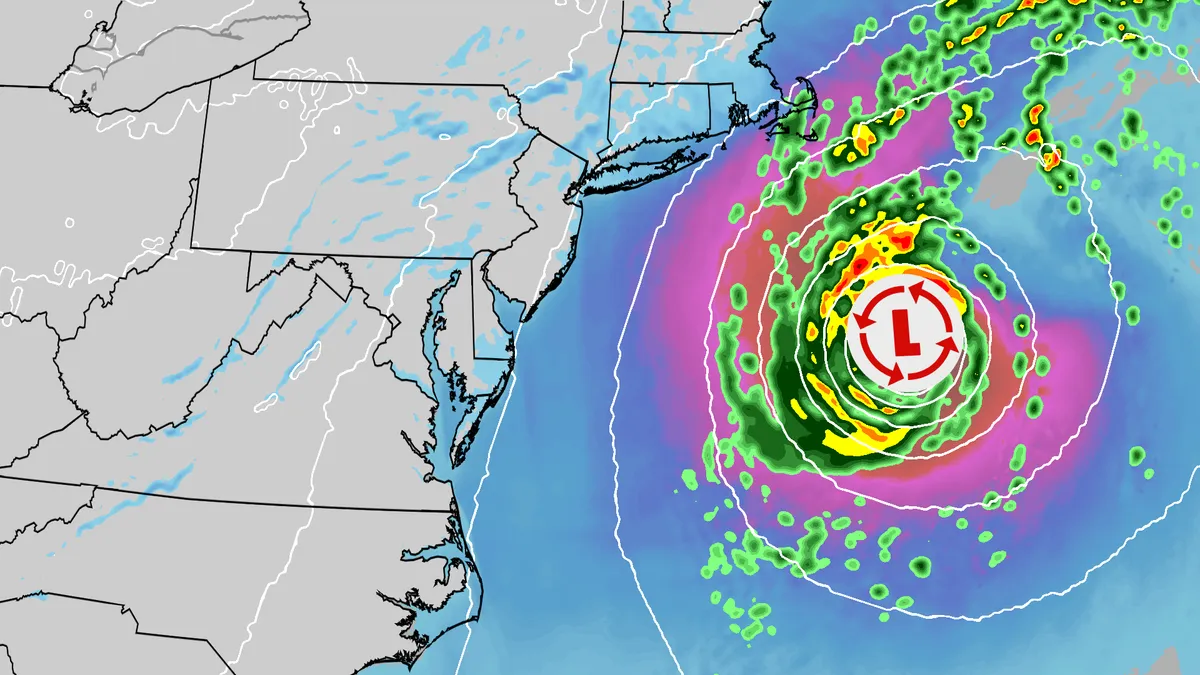
Nor'easter tracker: Radar, forecasts, current info and more
An October nor'easter is swirling off the East Coast, bringing gusty winds, coastal flooding and rip currents to much of the region. Track the storm here with all the maps you need. (MORE: Nor'easter lashes coast from Carolinas to Northeast)Current informationCurrent wind gustsCoastal flood alertsImpact forecastWave heightsGet More of Our News on GoogleSet The Weather Company as a 'Preferred Source' to get quicker access to the news you value. River gauge forecastCould it get a name? The National Hurricane Center is watching this nor'easter as well. Due to its unique properties, should it get a name, it will become Subtropical Storm Josephine.
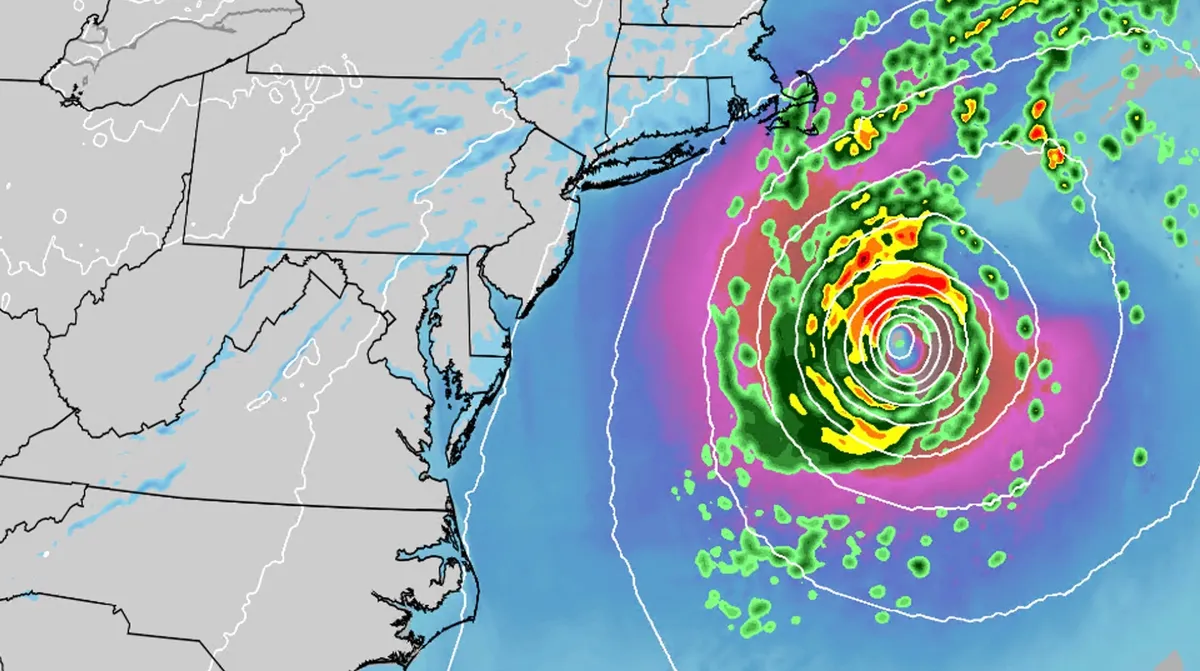
Nor'easter lashes coast from Carolinas to Northeast
An October nor'easter is still hugging the Atlantic coast, where it will bring high surf, rip currents, coastal flooding and winds to parts of the East Coast for several more days. The National Hurricane Center is continuing to monitor this area for possible subtropical development. If it gets a name, it will be Josephine. However, regardless of whether we call this system a nor'easter or Josephine, the impacts will be the same. (MORE: What is a nor'easter?|nor'easter tracker)ImpactsWhile we do not expect this storm to be as strong as the late September nor'easter, there will still be some impacts. They are broken down below: Coastal floodingGet More of Our News on GoogleSet The Weather Company as a 'Preferred Source' to get quicker access to the news you value. The area most likely to be impacted the longest appears to stretch from the Delmarva Peninsula to eastern North Carolina. Coastal flood alerts are in effect for parts of coastal North Carolina, where anywhere from 1 to 4 feet of inundation is possible. High surf advisories are also in place across the North Carolina coastline, with waves potentially reaching up to 14 feet.
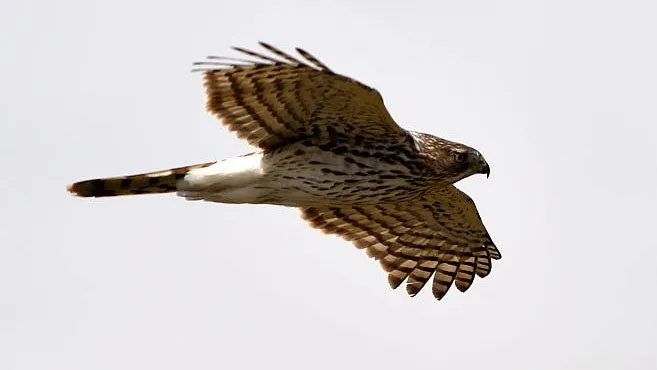
A hawk highway just opened overhead this October cold front
A Cooper's Hawk passing along the Dinosaur Ridge, counted as a local by a volunteer with Hawk Watch.(Denver Post via Getty Images)A hawk highway just opened overhead. Fall is migratory season for raptors, but the exact timing of their movement is determined most by the forecast. That's why when you see a cold front coming through in October, you can know they're on the move more now than ever. Here's your guide to October hawk watching if you want to catch these beautiful birds gliding through the sky. What birds are in flight? While weather influences exactly when most of these birds move, the phases in which each species moves are dictated a bit more by diet. Species that feed on insects during migration move the earliest. The broad-winged hawk is one example. Its movement is timed to follow when late-summer insects are most abundant, with its migration primarily happening in mid-September. But several other species all move around the same time in October. Get More of Our News on GoogleSet The Weather Company as a 'Preferred Source' to get quicker access to the news you value. Sharp-shinned hawks and Cooper's hawks feed primarily on other birds, moving along with their prey.
0 comments
No comments yet. Be the first to share your thoughts!