Conversations | Infinite scroll: Art, algorithms and images today - Art Basel
This story deserves to be shared
Send it to someone who'd care, or post it on your networks.
This article is an excerpt. To read the full content, visit the original source. Art Basel
Related articles
The Infinite Artistry of Japanese Ceramics - The Metropolitan Museum of Art
Webcomics are Winning Over the Gen Z Scroll - Webtoon
New study from WEBTOON Entertainment and National Research Group (NRG) goes inside the fandom powered by webcomics—the mobile (vertical scroll) format WEBTOON pioneered—as it has grown into a global habit for approximately 155 million users, and is the source material behind several leading K-dramas. Webcomic fans' love runs deep, as they spend more time reading webcomics than engaging with other entertainment, rank them as their most-loved fandom, and want to bring that fandom to life across formats.
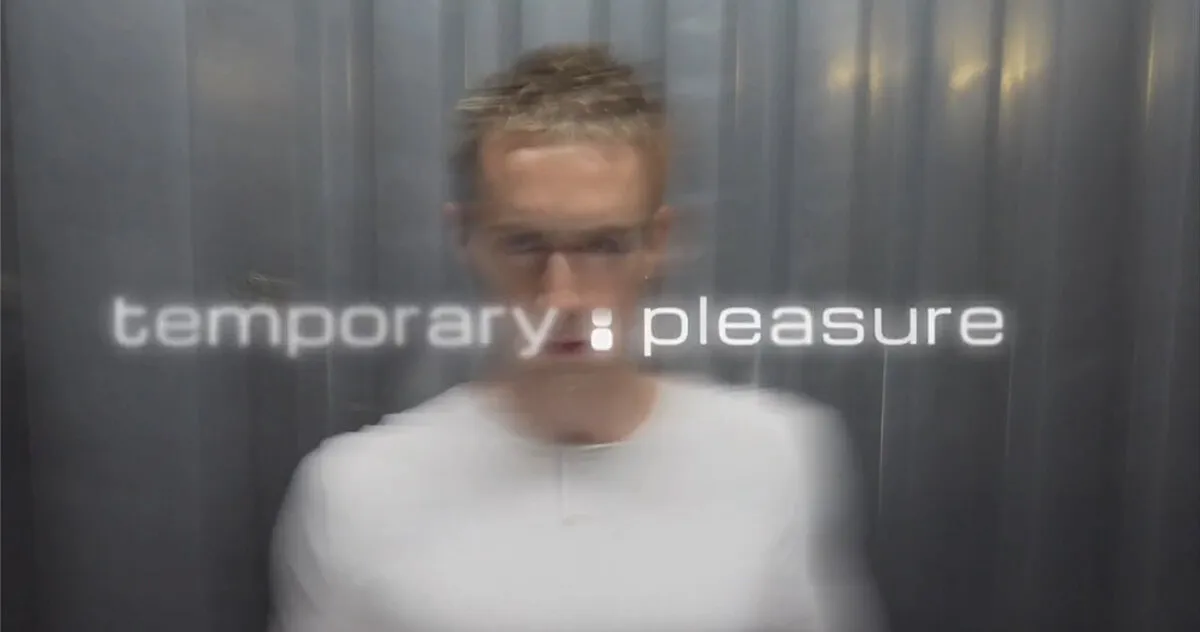
temporary pleasure: john leo gillen on growing up in a nightclub
TEMPORARY PLEASURE AND THE EPHEMERAL NIGHTCLUBFor most of its history, the nightclub was built on a simple premise: you had to be there. John Leo Gillen was born and raised in a nightclub in the west of Ireland, and came of age just as the nightclub began to disappear. Outside the family business he threw illegal raves, then learned architecture to build temporary club spaces. Temporary Pleasure, the practice he founded, combines the two — the architecture of a club with the emotion of a rave — into a single idea: the ephemeral nightclub. His projects include Choreomania at Horst Arts & Music, Joyride at the Barbican and The Superclub at WeCanDance, and he is the author of Temporary Pleasure: Nightclub Architecture, Design & Culture 1960–Today (Prestel, 2023). designboom speaks with Gillen about time as a design material, the crowd as the show, and why the moments that matter most can’t be captured.‘The nightclub once offered something radical: a moment suspended in time that could only be experienced by those who were lucky enough to be in the right place at the right time,’ Gillen tells designboom.
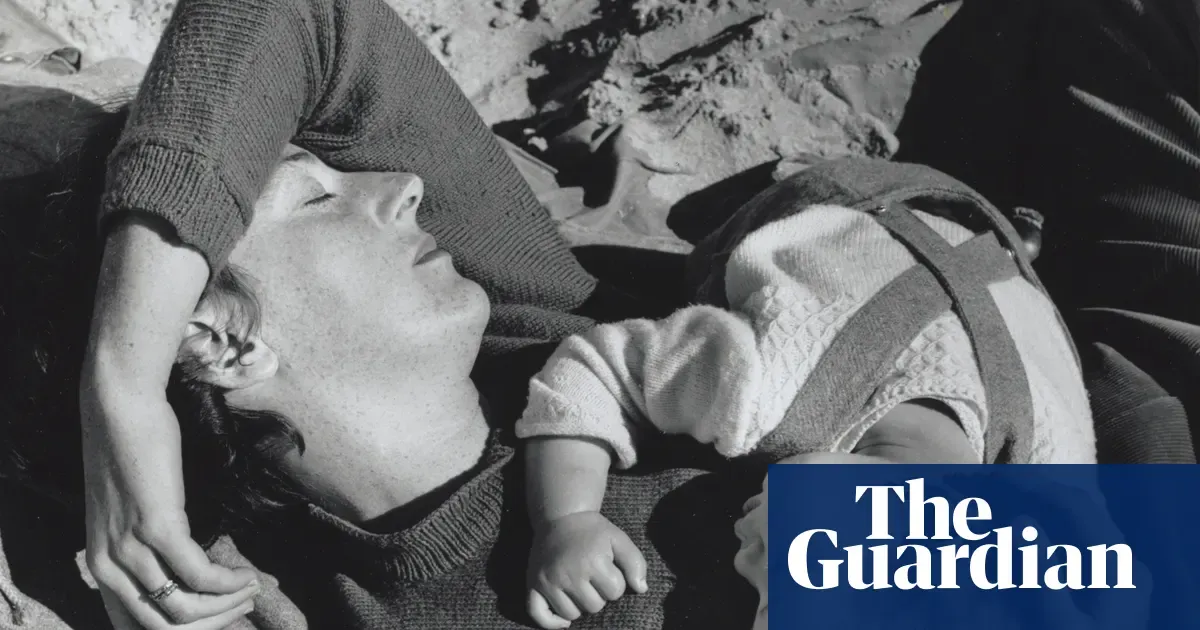
Light, camera … razor blades?! How photography became an art form – in pictures
A new exhibition – which the Guardian gave five stars – tells the story of the birth of art photography. Here are some of the most astounding images, along with tales of the strange techniques that made them In the mist … Ho Fan’s 1959 image Smoky World. Photograph: M+, Hong Kong, Estate of Ho FanWed 21 Oct 2026 07.00 BSTYevonde: Mrs Richard Hart-Davis as Ariel, 1935Yevonde (1893-1975)is perhaps best known for her vibrant, stylised society portraits. Working in her studio over the 1930s, Yevonde transformed her models into goddesses and mythical beings using elaborate props and costumes. In this image Edith Hart-Davis portrays the spirit Ariel from Shakespeare’s The Tempest. Light and Magic: The Birth of Art Photography runs at Tate Modern until 21 February 2027Photograph: National Portrait Gallery, LondonLong Chin-San: Riverside Spring 1942From the late 19th century, photographers embraced pictorialism, not as a style but as a shared ambition: to claim photography as an expressive art form equal to painting, printmaking and sculpture. These photographers experimented with subject matter, printing processes and exhibition formats to assert the creative agency of the photographer.
0 comments
No comments yet. Be the first to share your thoughts!