Construction of a five-gene prognostic model involving T cell exhaustion and metabolic reprogramming for predicting hepatocellular carcinoma risk using LASSO: insights into immune infiltration and drug sensitivity - Nature
This story deserves to be shared
Send it to someone who'd care, or post it on your networks.
We’re sharing this article early to provide faster access to peer-reviewed, accepted research. It is citable and carries a permanent DOI. This version is subject to further edits and will be replaced automatically by the final Version of Record. All legal disclaimers apply.
AbstractHepatocellular carcinoma (HCC) ranks as one of the most common and deadly malignancies in the world. Its pathogenesis is closely correlated with T cell exhaustion and metabolic reprogramming, these two critical yet underexplored mechanisms can profoundly shape the tumor immune microenvironment (TIME) and drive disease progression. This study was designed for constructing a prognosis risk model for HCC and elucidating its correlations with immune infiltration and drug sensitivity by integrating these two biological processes. An integrated bioinformatics analysis was performed by using data from two datasets such as Cancer Genome Atlas Liver Hepatocellular Carcinoma (TCGA-LIHC) and Gene Expression Omnibus (GEO, including GSE76427 and GSE10186). Fifty seven overlapping genes associated with both T cell exhaustion and metabolic reprogramming were screened.
This article is an excerpt. To read the full content, visit the original source. Nature
Related articles
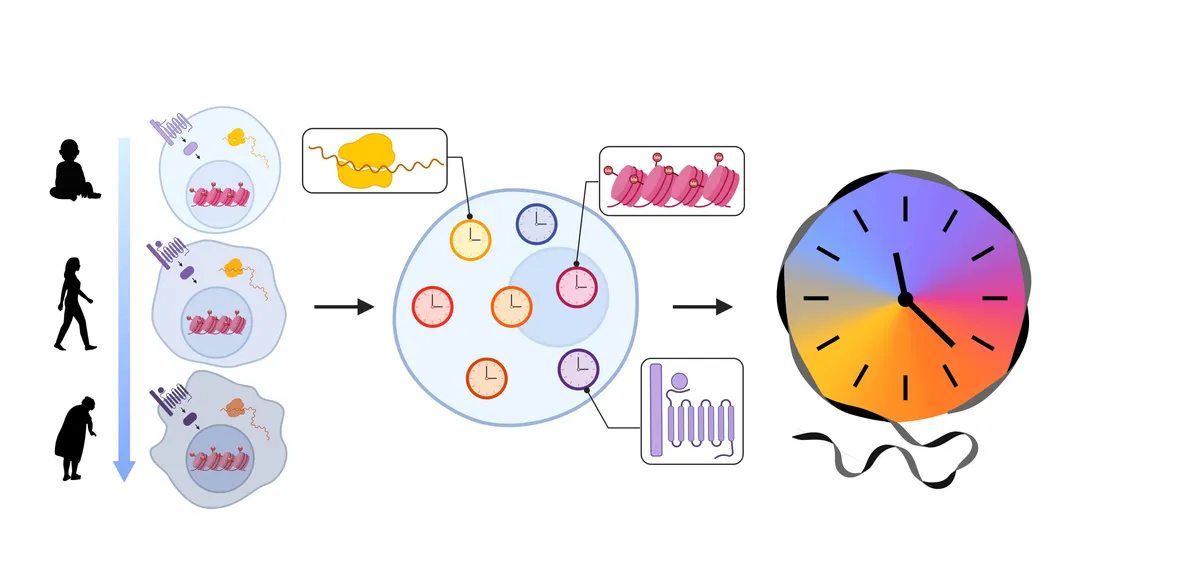
Reversing age by reprogramming gene expression networks - Medical Xpress
To read out the effects in their overexpression screen, the team had developed a "transcriptomic aging model" that can quantify age and the degree of rejuvenation based on changes in the expression of genes involved in different processes. Trained with gene expression data obtained from 464 fibroblast samples from donors across a wide range of ages, the machine learning-driven model provides an accurate overview of cells' age and health. Every organ and tissue progressively loses function and integrity as it ages.
Reprogramming synthesis - Science | AAAS
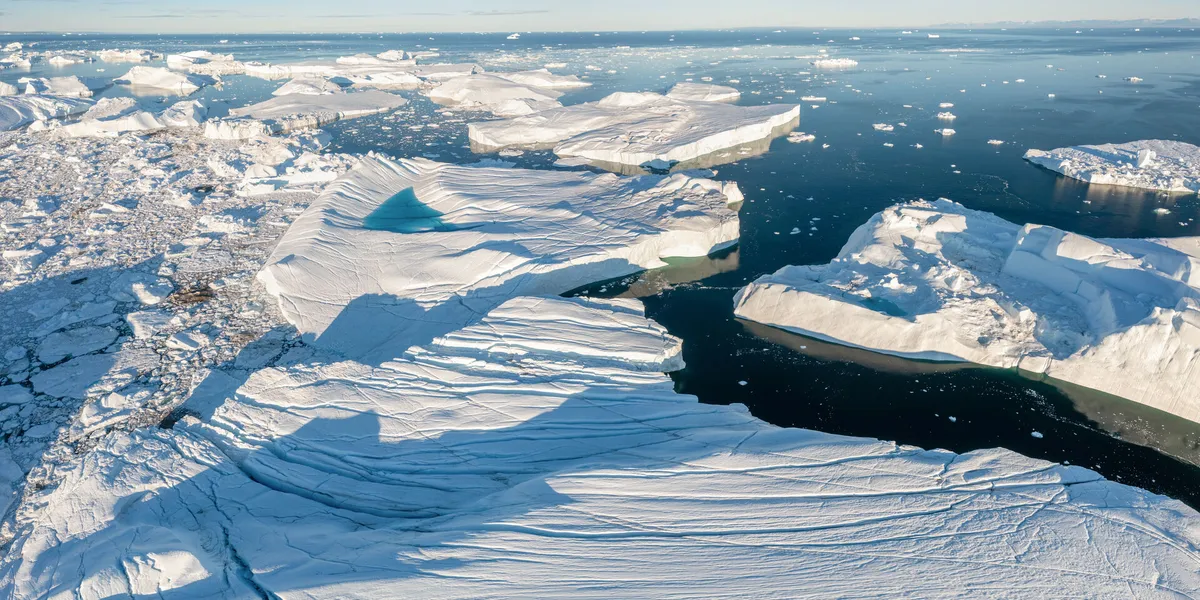
How a massive ice shelf buttressed the last ice age’s glaciers — and what it could mean for Antarctica today - CLAS News
About 20,000 years ago, an enormous, floating ice shelf more than a mile thick helped lock in three of the largest ice sheets in northern Canada and Greenland. When that ice shelf disappeared, it helped unlock part of these ice sheets, which contributed to hundreds of feet of sea level rise, establishing modern coastlines as we know them. Those are the findings of a new study that uncovered evidence of an ancient ice shelf in Baffin Bay, west of Greenland. The size and scale of such a floating fortress of ice was not previously known, and it provides clues to the future of today’s massive ice sheets in Antarctica and the sea-level rise that could follow if they melt.

Will plants survive climate change? The 'Great Dying' reveals clues about their resilience. - Live Science
Plants can't easily pick up and move when environmental conditions get rough, so they've evolved strategies to weather harsh conditions in place. That could help some plants survive in the face of a warming climate.

ESA Open Days 2026 - European Space Agency
For the best possible video quality and to enable the sharing functionality, please accept all cookies. To adjust your cookie settings, click here. ESA Open Days 2026 welcomed over 23 000 visitors across its six establishments, giving the public the opportunity to discover more about Europe’s space activities, meet the people behind the missions and explore how ESA is shaping the future of space.
0 comments
No comments yet. Be the first to share your thoughts!