Citizen scientists reliably count endangered Galápagos marine iguanas from drone images | Scientific Reports - Nature
This story deserves to be shared
Send it to someone who'd care, or post it on your networks.
This article is an excerpt. To read the full content, visit the original source. Nature
Related articles
Scientists alarmed as Super El Niño collides with ‘strange uptick’ in Galapagos iguana trafficking - Simon Fraser University
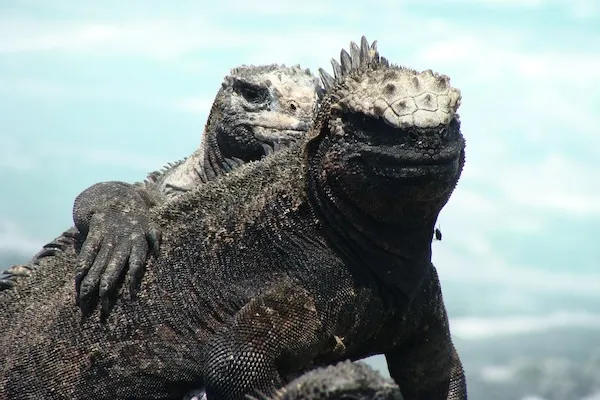
A pair of Galapagos marine iguanas soak up the sun on Marchena Island in the Galapagos Archipelago. Photo by Juan José Alava. The only lizard in the world that can live and forage at sea may now be in a fight for survival. International scientists warn black-market trafficking of Galapagos marine iguanas is peaking just as the Super El Niño decimates their natural food source.
Scientists alarmed as super El Niño collides with 'strange uptick' in Galapagos iguana trafficking - Phys.org
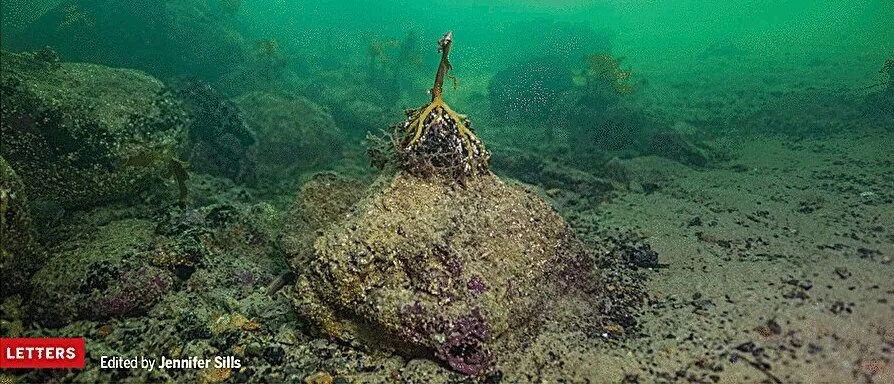
Extreme events, such as this South Australian algal bloom that lasted from 2025 to 2026, have devastating effects on marine ecosystems. The only lizard in the world that can live and forage at sea may now be in a fight for survival. International scientists warn black-market trafficking of Galapagos marine iguanas is peaking just as the super El Niño decimates their natural food source. The 2026/27 El Niño event started warming equatorial waters in May, the same month Ecuadorian officials discovered four Galapagos iguanas being kept in a home near Guayaquil. Shortly after, they found a dozen more at a nearby airport, stuffed in handbags with their limbs bound.

From science to safety, GALAPAGOS CELEBRATES THREE TSUNAMI READY - UNESCO
Minister Carolina Lozano, National Secretary for Risk Management, underlined the substantive value of the Tsunami Ready Recognition Programme (TRRP): “connecting science and warning systems with the capacities of communities, and translating knowledge about the ocean into effective measures for the safety and well-being of societies. Risk assessment, community preparedness, institutional coordination, and response capacity supported the integrated perspective of this process at Puerto Baquerizo Moreno, Puerto Ayora, and Puerto Villamil. During the ceremony, the UNESCO Director and Country Representative in Ecuador emphasized that this recognition goes beyond the certificate, above all, it is the result of a sustained process of work, coordination, and commitment for protecting people. “We need science, observation systems, timely information, and effective warning mechanisms (…) We are not able to stop a tsunami, but we can invest in science and monitoring, in institutional strengthening, and, in particular, in preparing communities to act” she said.

Scientists found evolution repeating itself in the Galápagos Islands - Science Daily
The Galápagos Islands have long been one of the most important places in the study of evolution. When Charles Darwin visited the islands in 1835 aboard the HMS Beagle, he collected a variety of birds and returned with them to England. At first, he believed the specimens included sparrows, woodpeckers, finches -- and a single tit. Scientists later determined that the birds were all closely related finches whose differently shaped beaks had evolved to suit different foods. The finches eventually became powerful evidence for Darwin's theory of evolution by natural selection. The theory explains how populations can gradually change as individuals with traits suited to their surroundings are more likely to survive and reproduce.
Golf ball-sized octopus discovered near the Galápagos Islands - Popular Science
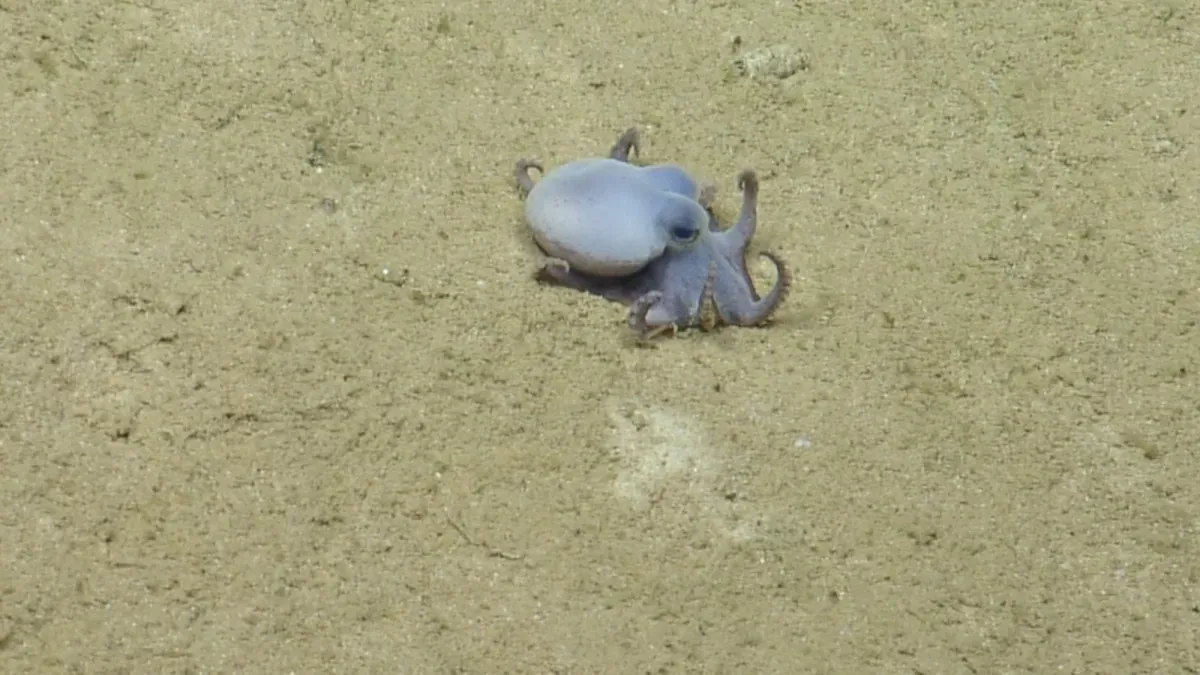
The tiny octopus lives at an ocean depth of about 5,800 feet. A tiny, bright blue octopus Microeledone galapagensis is small enough to fit inside the palm of your hand, but good luck trying to meet one. According to marine biologists, you’ll likely have to settle with admiring it from afar for now unless you have access to a deep sea submersible—and a ticket to the Galápagos Islands.
0 comments
No comments yet. Be the first to share your thoughts!