Chile eliminates leprosy - Pan American Health Organization (PAHO)
This story deserves to be shared
Send it to someone who'd care, or post it on your networks.
This article is an excerpt. To read the full content, visit the original source. Pan American Health Organization (PAHO)
Related articles
Multibacillary Lepromatous Leprosy in an Endemic Area: A Two-Year Diagnostic Delay and the Role of Slit-Skin Smear and PCR - Cureus
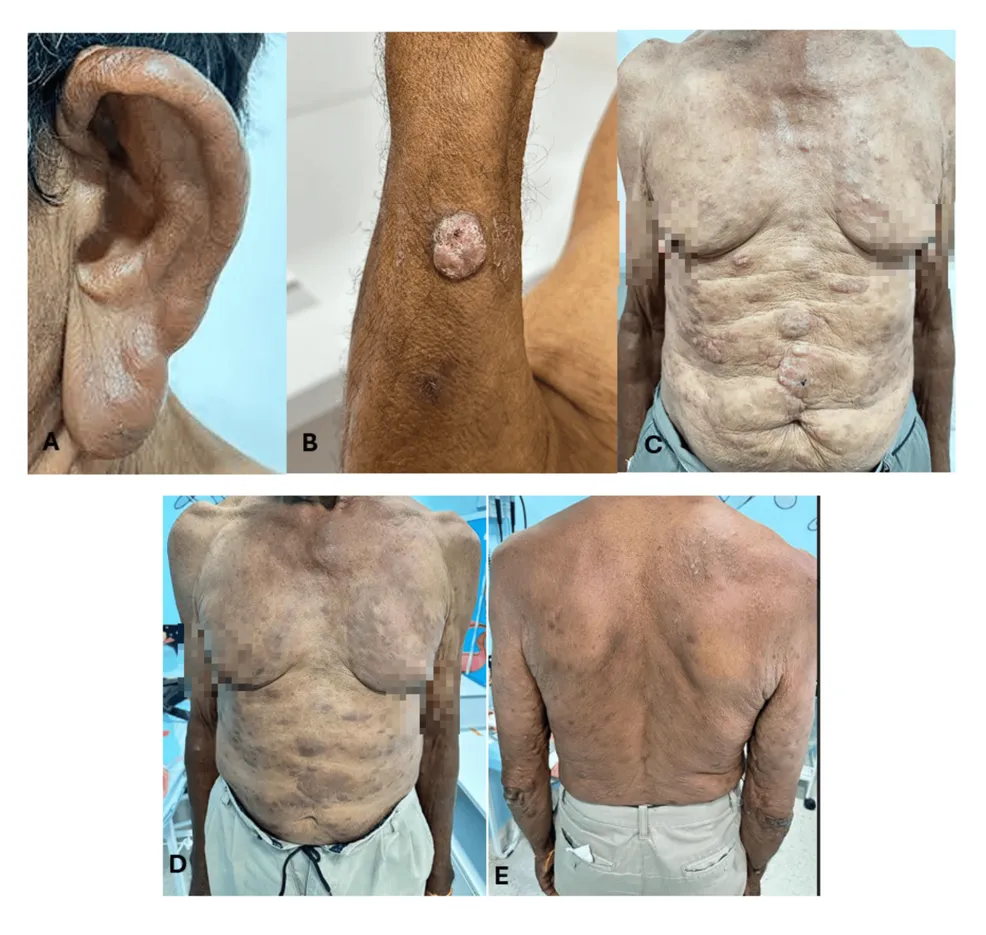
Multibacillary lepromatous leprosy can mimic other dermatological conditions, delaying diagnosis. In areas with limited access to histopathology, the slit-skin smear (SSS) is an accessible tool that, together with clinical findings, can support the diagnosis and the start of treatment, while PCR of SSS material may provide complementary confirmation. A 63-year-old male from Montería (Córdoba, Colombia), with a history of chronic venous insufficiency, presented with a two-year history of characteristic skin lesions, including nodular infiltration of the earlobe, a hyperkeratotic plaque with hypoesthesia on the right elbow, and diffuse cutaneous involvement of the chest and abdomen. SSS of the earlobe showed acid-fast bacilli with a bacterial index of 4+ (Ridley scale). Based on the clinical findings and the smear result, multibacillary lepromatous leprosy was diagnosed, and multidrug therapy was started per the WHO regimen without histological confirmation. Real-time PCR performed approximately two and a half months later was positive for Mycobacterium leprae, and a skin biopsy performed about 18 months after diagnosis showed foamy histiocytes consistent with the lepromatous pole. A
Multibacillary Lepromatous Leprosy in an Endemic Area: A Two-Year Diagnostic Delay and the Role of Slit-Skin Smear and PCR - Cureus
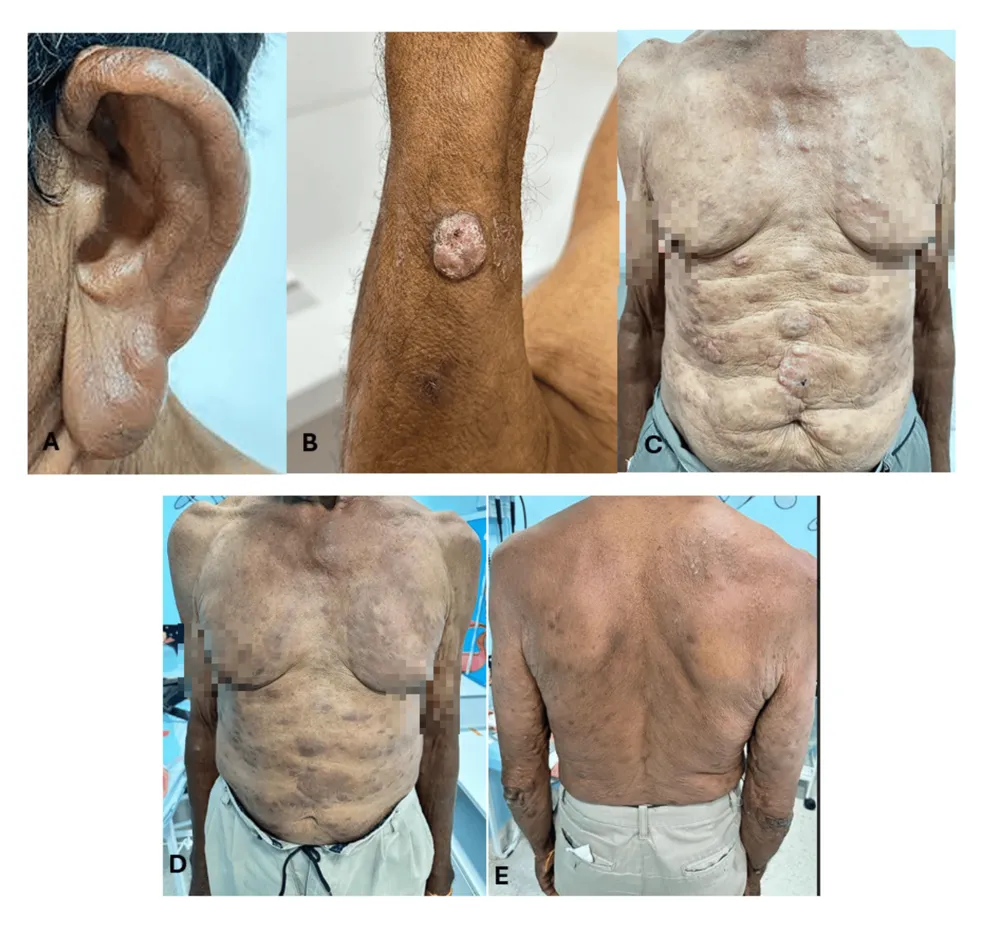
Multibacillary lepromatous leprosy can mimic other dermatological conditions, delaying diagnosis. In areas with limited access to histopathology, the slit-skin smear (SSS) is an accessible tool that, together with clinical findings, can support the diagnosis and the start of treatment, while PCR of SSS material may provide complementary confirmation. A 63-year-old male from Montería (Córdoba, Colombia), with a history of chronic venous insufficiency, presented with a two-year history of characteristic skin lesions, including nodular infiltration of the earlobe, a hyperkeratotic plaque with hypoesthesia on the right elbow, and diffuse cutaneous involvement of the chest and abdomen. SSS of the earlobe showed acid-fast bacilli with a bacterial index of 4+ (Ridley scale). Based on the clinical findings and the smear result, multibacillary lepromatous leprosy was diagnosed, and multidrug therapy was started per the WHO regimen without histological confirmation. Real-time PCR performed approximately two and a half months later was positive for Mycobacterium leprae, and a skin biopsy performed about 18 months after diagnosis showed foamy histiocytes consistent with the lepromatous pole. A
0 comments
No comments yet. Be the first to share your thoughts!