Chickpea Saag
This story deserves to be shared
Send it to someone who'd care, or post it on your networks.
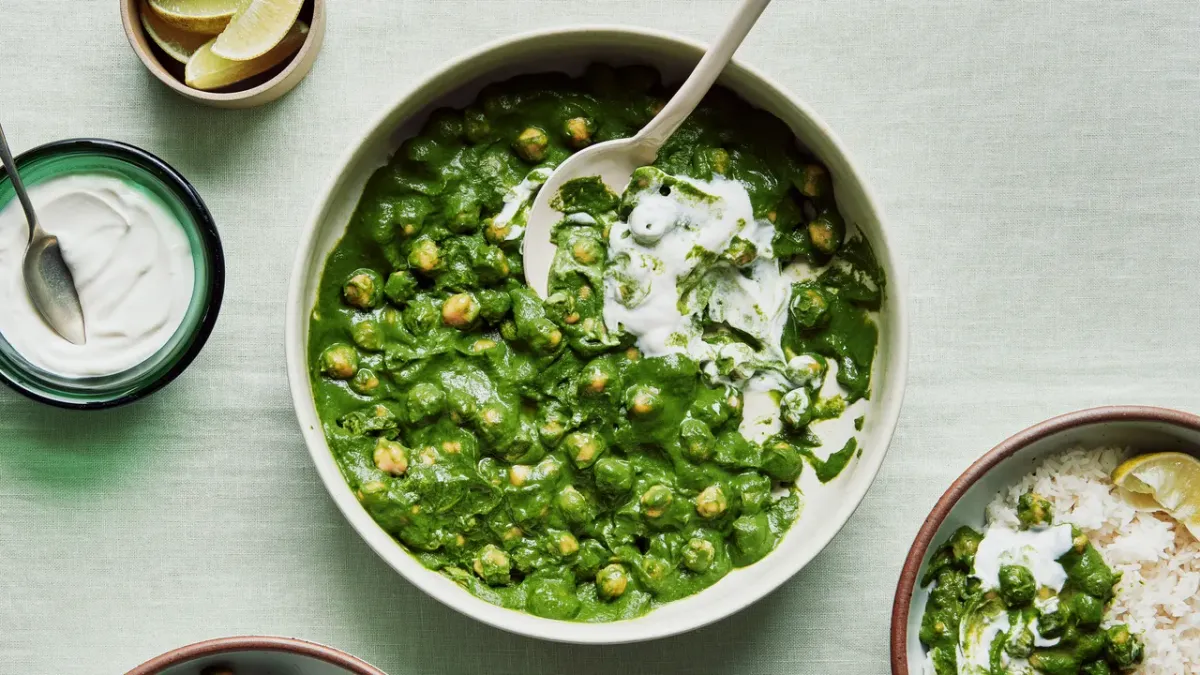
Quick to come together thanks to canned beans—and any leftovers taste even better the next day.
This article is an excerpt. To read the full content, visit the original source. Epicurious
Related articles
Panisses (Chickpea Fries)
Chickpea fries? Yes! Panisses are an irresistible snack famously served in the Provence region of France. Similar to regular fries, they’re crisp and golden on the outside, but with pillowy-soft…

Blind Taste Test Busts The Leftovers Myth, Mostly - ScienceAlert
There's a specific kind of joy in opening the fridge to find leftovers waiting for you like a gift from your past self. Many people insist that they taste better than the original. Some might accept this as one of life's little quirks, similar to how one sock disappears in the wash. But scientists like to investigate quirks, and a team at Deakin University in Australia did just that. To see whether this kitchen myth is backed by evidence, they recruited people to blind-test fresh dishes against their day-old counterparts. Their study is posted as a preprint (it hasn't yet undergone peer review) and concludes that 'leftovers taste better' is not entirely a myth. But it isn't as universal as we might think. In fact, only one of their test dishes lived up to the reputation. "Few culinary beliefs are as persistent as the idea that some foods taste better the next day," the team writes. First author Russell Keast has a personal history with this phenomenon. Before becoming a food and sensory scientist, he trained as a chef and heard the claim many times, even experiencing it himself.
Turning up the heat on chickpea yield - Vertical Farm Daily
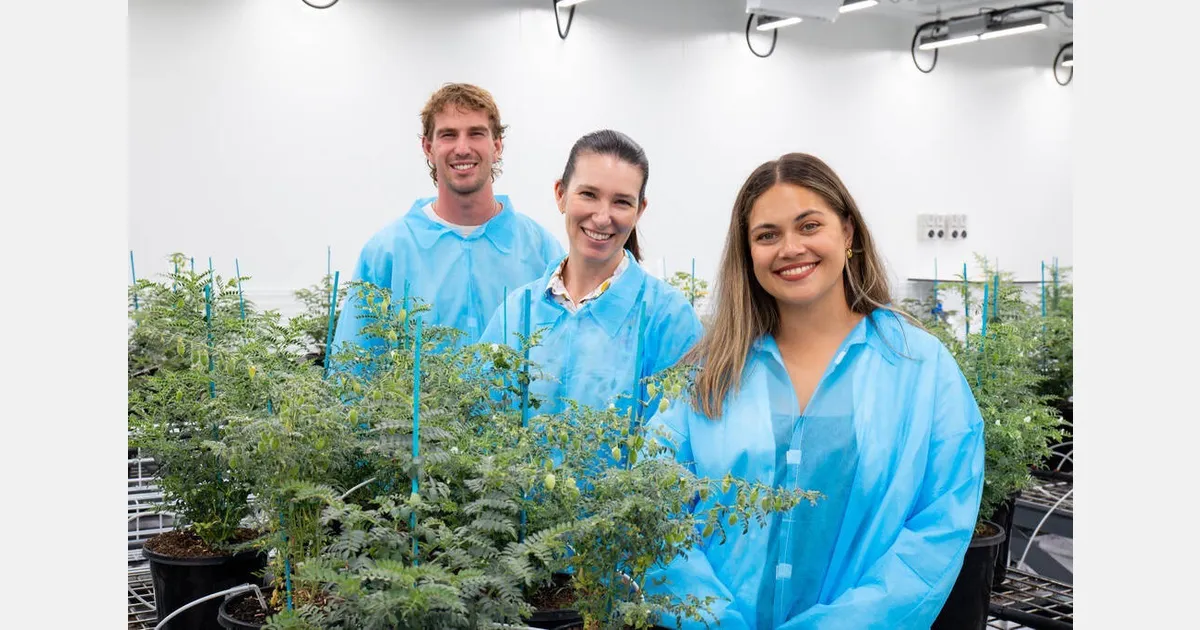
A University of Queensland study has outlined a practical pathway for accelerating the development of heat adapted chickpeas using data from new 'omic' technologies. "The narrow genetic diversity in the elite chickpea gene pool has limited conventional breeding's effectiveness for stress tolerance," Mr Jamie said. "These technologies have improved our capacity to dissect trait architecture and phenotype secondary traits but their use in chickpeas has been limited. " The technologies include genomics, epigenomics, transcriptomics, proteomics, metabolomics, phenomics and enviromics, and help provide a comprehensive picture of biological systems. © QAAFI PhD candidate Callum Jamie said the suite of technologies offered tremendous opportunities to understand how a complex trait like heat tolerance works. PhD Candidate Callum Jamie, Dr Millicent Smith and Dr Shanice Van Haeften at UQ's Plant Futures Facility. Image: QAAFI.
Turning up the heat on chickpea yield - Hortidaily
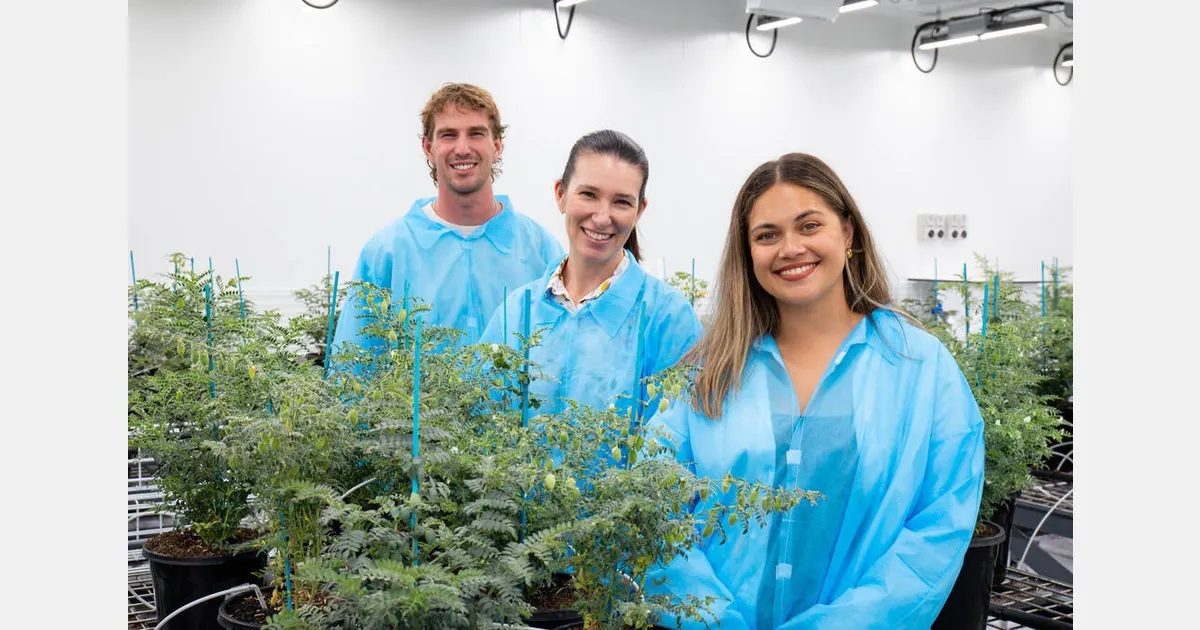
A University of Queensland study has outlined a practical pathway for accelerating the development of heat adapted chickpeas using data from new 'omic' technologies. "The narrow genetic diversity in the elite chickpea gene pool has limited conventional breeding's effectiveness for stress tolerance," Mr Jamie said. "These technologies have improved our capacity to dissect trait architecture and phenotype secondary traits but their use in chickpeas has been limited. " The technologies include genomics, epigenomics, transcriptomics, proteomics, metabolomics, phenomics and enviromics, and help provide a comprehensive picture of biological systems. © QAAFI PhD candidate Callum Jamie said the suite of technologies offered tremendous opportunities to understand how a complex trait like heat tolerance works. PhD Candidate Callum Jamie, Dr Millicent Smith and Dr Shanice Van Haeften at UQ's Plant Futures Facility. Image: QAAFI.
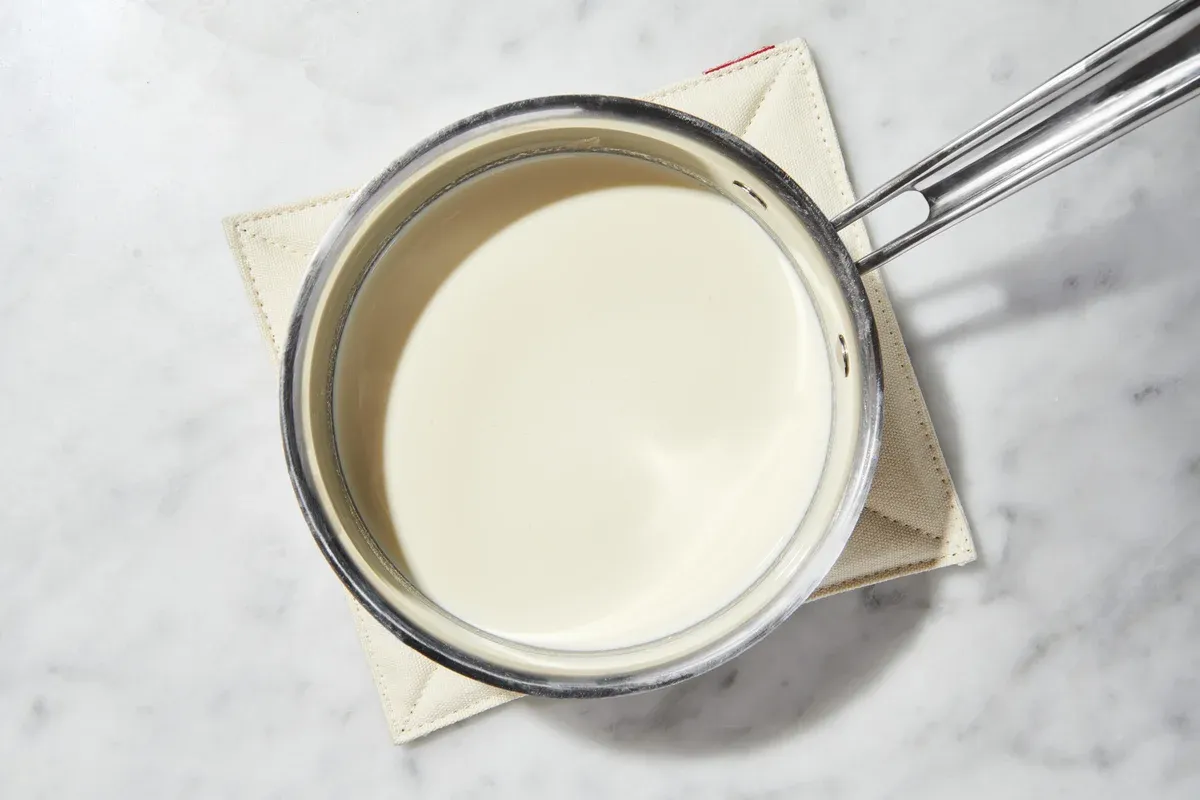
Heavy cream vs. whipping cream: What's the difference?: Understanding the right cream for your baking.
If you’re baking a recipe that calls for heavy cream, or picking up a carton to turn into whipped cream to finish a dessert, you may be confused when you hit the dairy aisle. There’s “heavy cream” —…
0 comments
No comments yet. Be the first to share your thoughts!