Chemistry student develops clear polish that turns your fingernail into a touch-screen stylus - Live Science
This story deserves to be shared
Send it to someone who'd care, or post it on your networks.
This article is an excerpt. To read the full content, visit the original source. Live Science
Related articles
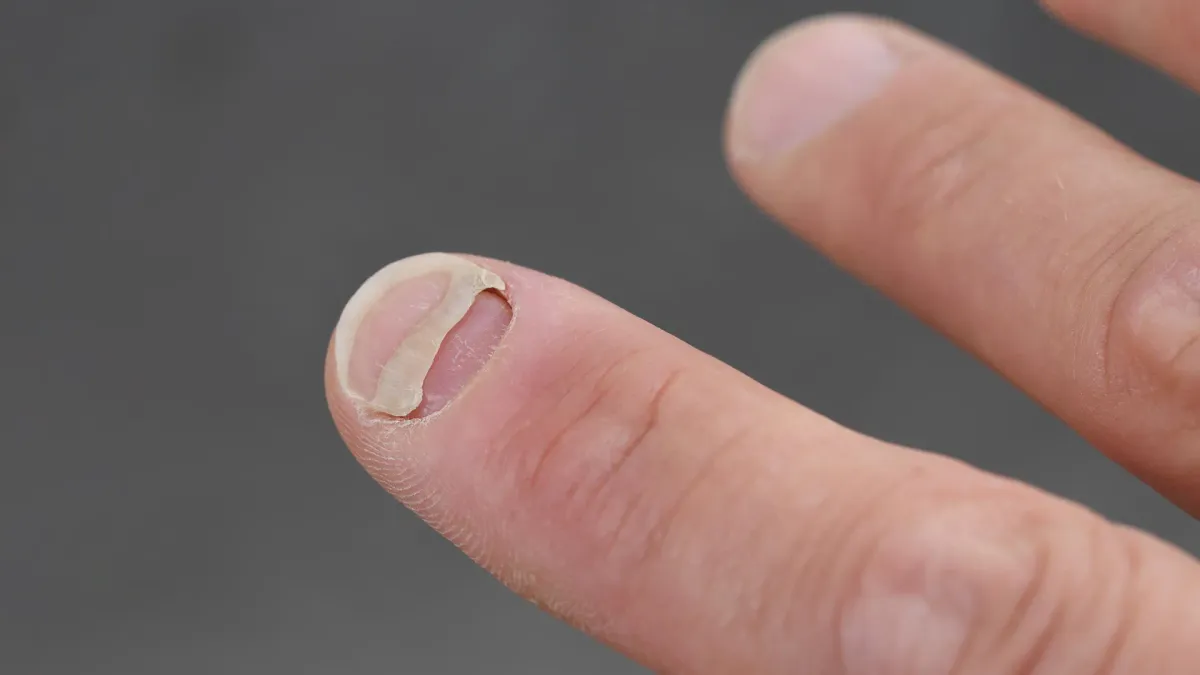
Popular weight loss drugs linked to a surprising fingernail problem - Science Daily
Popular GLP-1 medications used for weight loss and type 2 diabetes (such as Ozempic, Wegovy, Mounjaro, Zepbound, Victoza, and Trulicity) have been linked to an unexpected problem involving fingernails. A multinational study found that people taking these drugs were more than four times as likely to report nail detachment, a condition in which the nail separates from the skin underneath it. Researchers found that 39% of GLP-1 users experienced nail detachment, compared with just 9% of people who had never taken the medications. Nail discoloration was also considerably more common, and two-thirds (66%) of users reported at least one nail disorder.
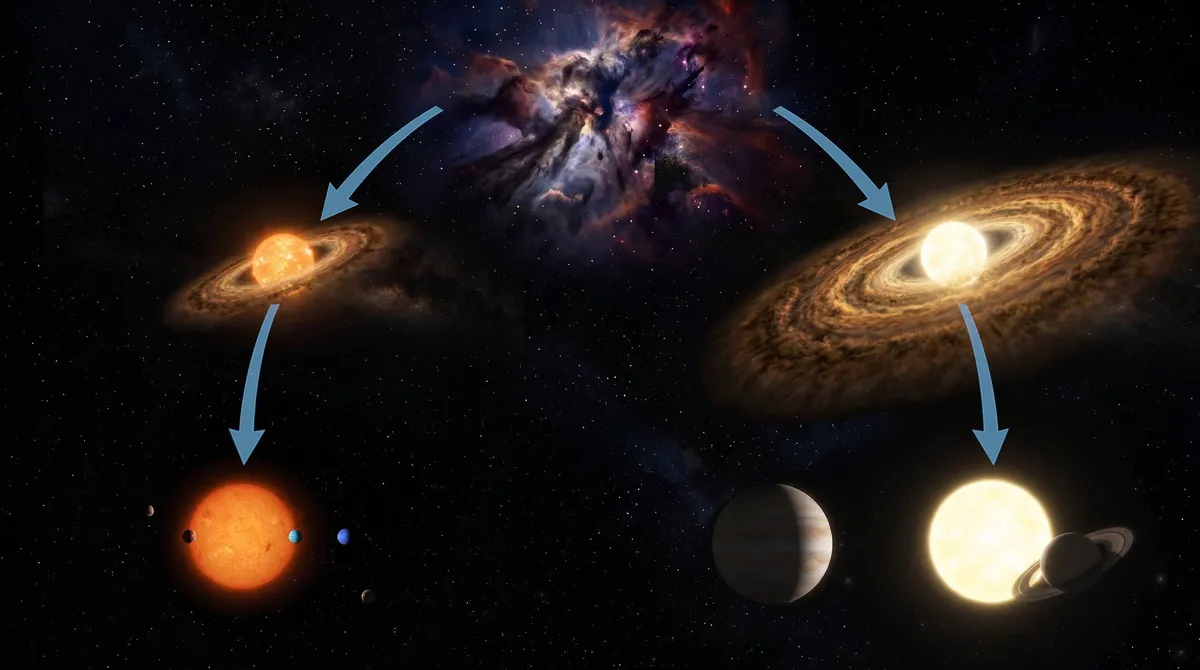
Some Planetary Systems Are Born for Chaos. Astronomers Think They Know Why - ZME Science
Illustration of the genetic link between stellar properties and planetary system architectures. Credit: INAF / Universitat de València / image generation. For most of human history, planetary systems were a sample size of one. Ours. Then people learned about Mercury, Venus, Mars, Jupiter, and Saturn since antiquity, tracking their movements for generations. Uranus joined the planetary roster in 1781 thanks to the telescope, followed by Neptune in 1846, but every planet we discovered still belonged to the same family orbiting our Sun.
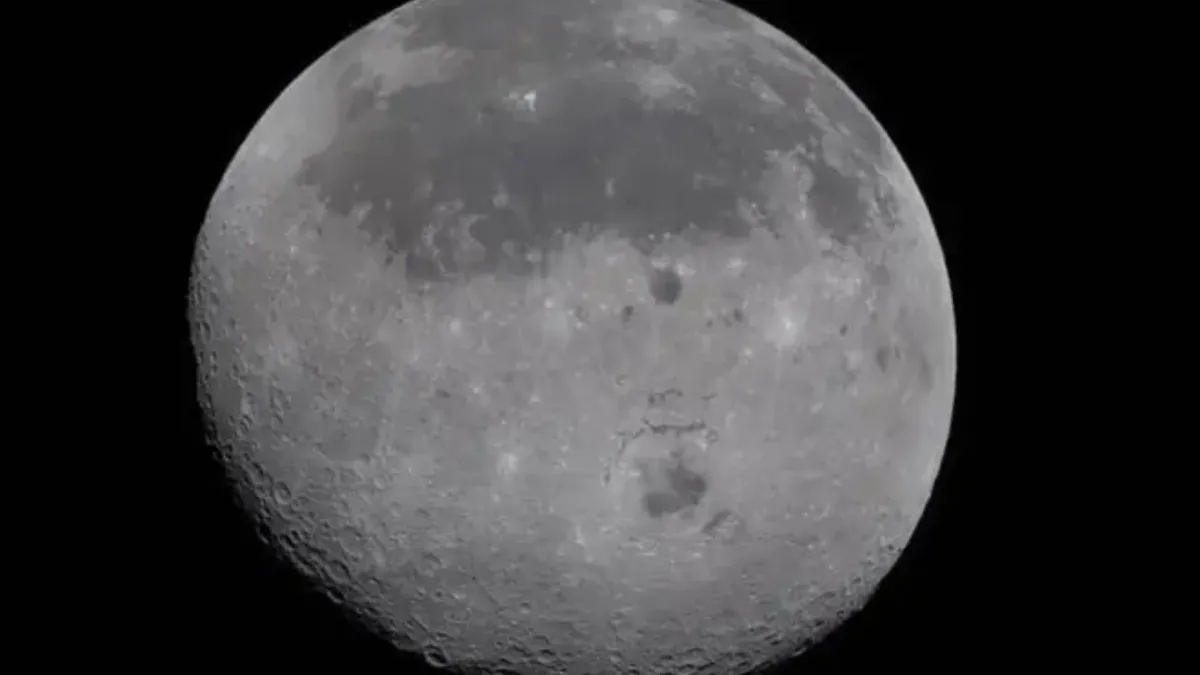
NASA confirms it: the Moon is now smaller - MARCA
08:02CDTA study funded by NASA, and published in The Planetary Science Journal, has determined that the Moon's radius has decreased by about 45 meters. The scientists' analysis concluded that this reduction occurred over the last 400 to 800 million years. Every million years, according to the report's estimates, the Earth’s satellite’s radius would shrink by between 6 and 11 centimeters. In other words, 0.1 micrometers (0.0001 millimeters) per year. Aside from this fact, the research funded by the U. S. space agency has identified more than 10,000 faults on the Moon as a result of studying images from the Lunar Reconnaissance Orbiter, in orbit since 2009. This finding could pose a setback for exploration of the satellite: NASA is considering establishing a lunar base with basic infrastructure in 2032. Until then, efforts are focused on determining possible locations for the installation. The large number of faults detected goes beyond mere scientific curiosity, as it could pose a setback for future crewed missions. The reason is that, unlike the Earth, with 15 major tectonic plates, the Moon has a single plate.
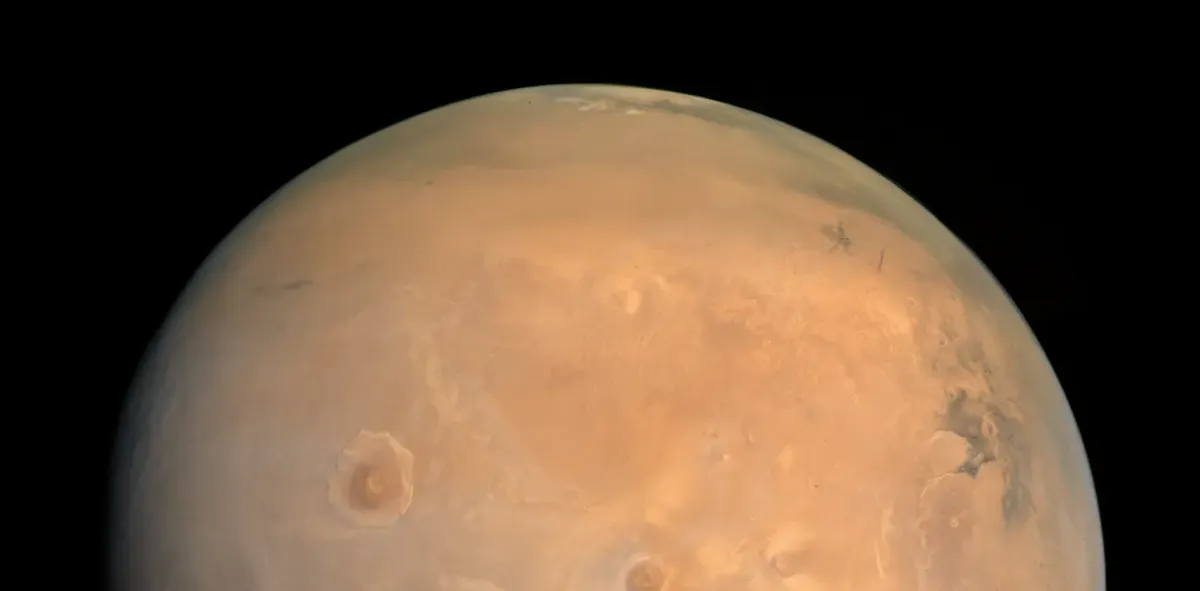
NASA’s Mars orbiter fleet is getting old – here’s how that could affect future exploration - The Conversation
Currently, about 16,000 satellites are orbiting Earth, providing everything from GPS service and weather reports to phone service in remote locations to people across the globe. In contrast, the highest-ever number of active satellites in orbit around Mars, one of the best-explored other planets in our solar system, is eight.
0 comments
No comments yet. Be the first to share your thoughts!