Cannabis use linked to higher heart attack risk during and after surgery, but fewer blood clots - Medical Xpress
This story deserves to be shared
Send it to someone who'd care, or post it on your networks.
As marijuana use becomes more common and legal in most U.S. states, patients who use cannabis may face a significantly higher risk of heart attack around the time of surgery, while also showing an unexpected lower risk of dangerous blood clots in the veins, suggests a study presented at the ANESTHESIOLOGY 2026 annual meeting.
This article is an excerpt. To read the full content, visit the original source. Medical Xpress
Related articles
Hybrid dual attentional-based pyramidal deep learning model for liver tumor detection - Nature
We’re sharing this article early to provide faster access to peer-reviewed, accepted research. It is citable and carries a permanent DOI. This version is subject to further edits and will be replaced automatically by the final Version of Record. All legal disclaimers apply. AbstractLiver tumors are life-threatening diseases that occur due to the rapid growth of liver cells and even result in a chronic condition. Nevertheless, conventional liver tumor detection struggled with the limitations of poor robustness, difficulties in identifying the complex boundaries, and inconsistent segmentation. Hence, the research introduced a hybrid dual attention-based pyramidal deep convolutional network and deep belief network (HDPCBN) for accurate liver tumor detection. Significantly, the HDPCBN approach deployed a pyramidal architecture to learn deep hierarchical features and intricate patterns of the tumor effectively. Moreover, the integration of the dual attention technique gathers the long-range relationships of both spatial and channel dimensions for accurate liver tumor detection.

20 Posts Not To Miss From ASCOQLTY26 - Oncodaily
The ASCO Quality Care Symposium 2026 (ASCOQLTY26) brought together oncologists, researchers, healthcare professionals, and patient advocates to discuss advances in cancer care quality, patient safety, and healthcare delivery. The meeting focused on improving patient outcomes, addressing disparities in cancer care, and sharing research aimed at strengthening oncology practice. Held on October 16–17, 2026, at the Hynes Convention Center in Boston, Massachusetts, and online, the symposium featured discussions on improving cancer care delivery, advancing patient-centered approaches, and ensuring equitable access to high-quality oncology services.

Mepolizumab Reduces Systemic Corticosteroid Exposure in Eosinophilic COPD - HCPLive
In pooled phase 3 data, mepolizumab lowered mean yearly systemic corticosteroid exposure by 178.97 mg in patients with a BEC of ≥150 cells/µL. Mepolizumab (Nucala) reduced total yearly systemic corticosteroid (SCS) exposure, particularly high-dose courses, in patients with COPD and type 2 inflammation receiving inhaled triple therapy, according to pooled phase 3 data presented at the American College of Chest Physicians (CHEST) 2026 Annual Meeting in Phoenix.¹,²Although treatment guidelines recommend SCS for COPD exacerbations, these agents are associated with complications in this population, prompting interest in targeted therapies capable of limiting their use.¹ Mepolizumab, a humanized monoclonal antibody targeting interleukin-5 (IL-5), is approved for patients with COPD and an eosinophilic phenotype.
TMU research examines menopause, memory and brain health - CityNews Toronto
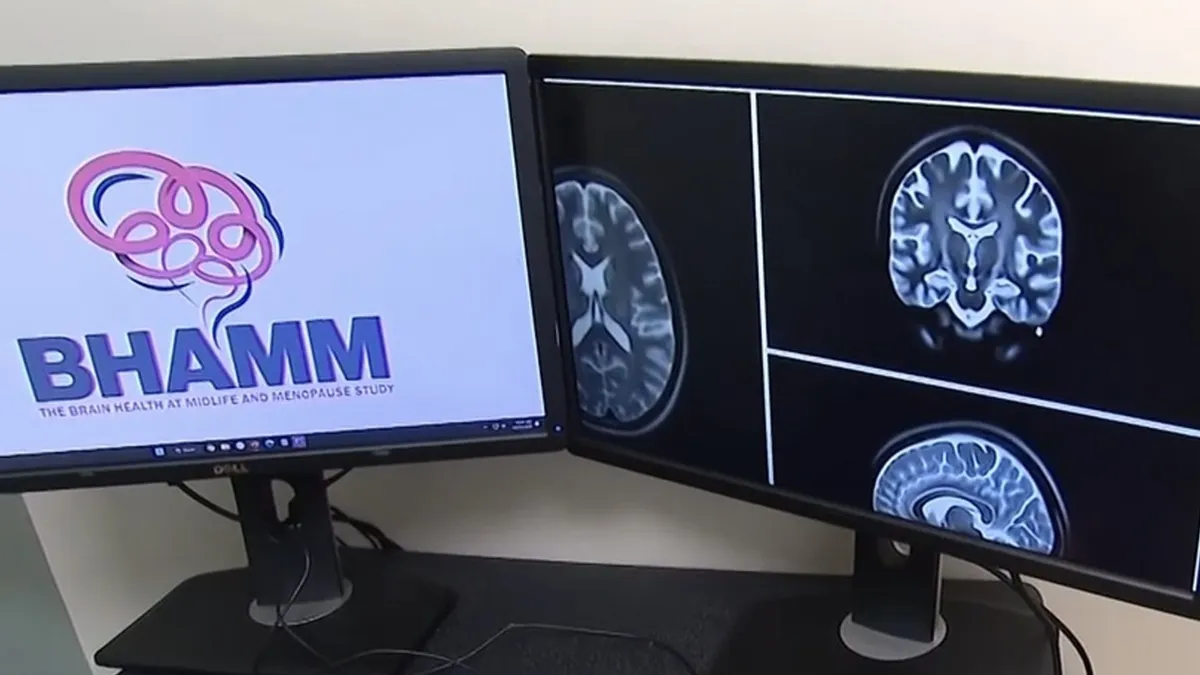
Losing your train of thought or searching for a familiar word can raise some serious concerns for women approaching menopause. Researchers at Toronto Metropolitan University are working on investigating how this transition affects memory and how these changes impact brain health later in life. On this Menopause Day, Natasha Rajah, a professor of Psychology and Tier 1 Canada Research Chair in Sex, Gender and Diversity in Brain Health, Memory and Aging at TMU, is highlighting the research examining menopause and memory related issues showing signs of early dementia.
Congenital Cervical Vertebral Segmentation Failure Presenting as Refractory Torticollis in Infancy: A Case of Klippel-Feil Syndrome - Cureus
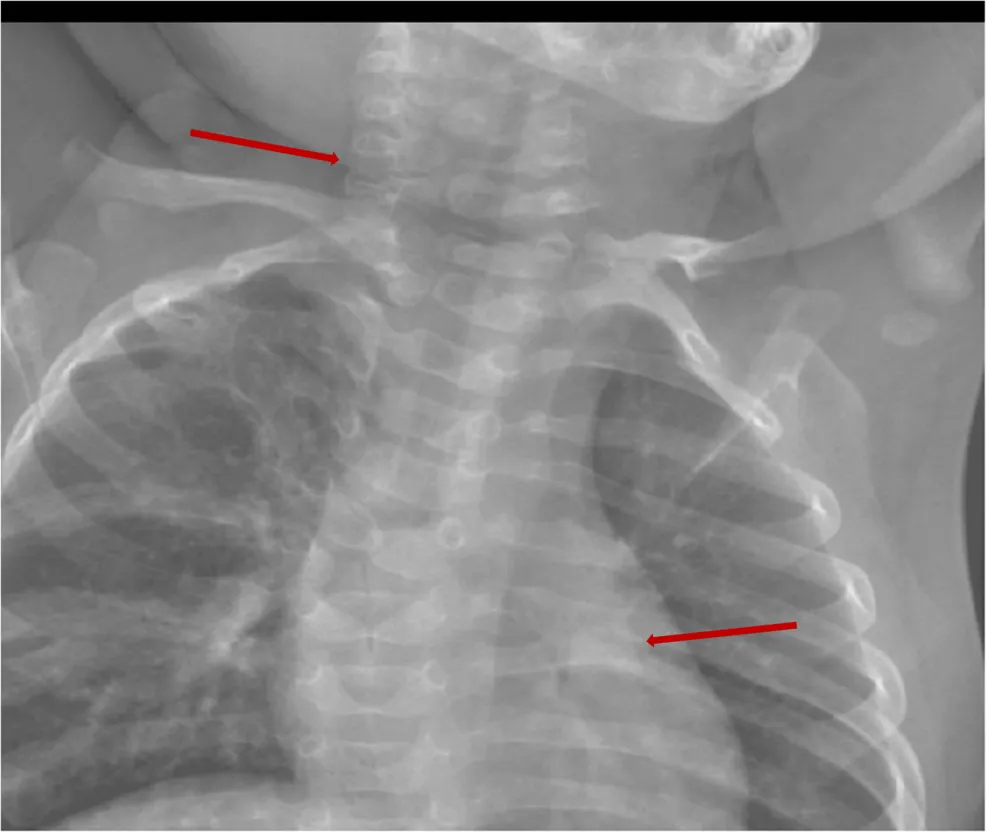
We present a case of a six-month-old female with a five-month history of right-sided torticollis that showed little improvement despite physical therapy. She presented to the emergency department due to parental concern for pneumonia, with congestion and cough without respiratory distress. Physical examination demonstrated leftward rotation and right lateral flexion of the head and cervical spine, consistent with the previously diagnosed right-sided torticollis. Chest radiographs were obtained in the workup for pneumonia and incidentally revealed segmentation anomalies of the cervical and upper thoracic spine as well as multiple bilateral bifid and fused ribs, more pronounced on the right. The radiographic findings were interpreted as highly suggestive of Klippel-Feil syndrome (KFS). In the setting of refractory torticollis and characteristic congenital vertebral abnormalities, the diagnosis of KFS was made. No acute complication requiring immediate intervention was documented. Referral to appropriate specialists was recommended for further evaluation and longitudinal management. This case highlights the importance of maintaining a broad differential diagnosis when evaluating refra

A Cold and Viscous Clue: Waldenström Macroglobulinemia Presenting With Secondary Cold Agglutinin Syndrome and Hyperviscosity Syndrome - Cureus
Waldenström macroglobulinemia (WM) is an indolent mature B-cell lymphoproliferative disorder defined by bone marrow infiltration by lymphoplasmacytic lymphoma (LPL) and an associated serum monoclonal immunoglobulin M (IgM) gammopathy. In this case report, we describe a patient presenting with two serious and rare IgM-mediated complications of WM that require urgent treatment: secondary cold agglutinin syndrome and hyperviscosity syndrome. With prompt diagnosis and therapeutic plasma exchange, the patient's IgM-mediated complications improved, with a marked reduction in serum IgM and resolution of hyperviscosity-related symptoms. This highlights the importance of recognizing the possible complications of an otherwise indolent disease.
0 comments
No comments yet. Be the first to share your thoughts!