Breakthrough to Strengthen Bones Could Reverse Osteoporosis - ScienceAlert
This story deserves to be shared
Send it to someone who'd care, or post it on your networks.
This article is an excerpt. To read the full content, visit the original source. ScienceAlert
Related articles
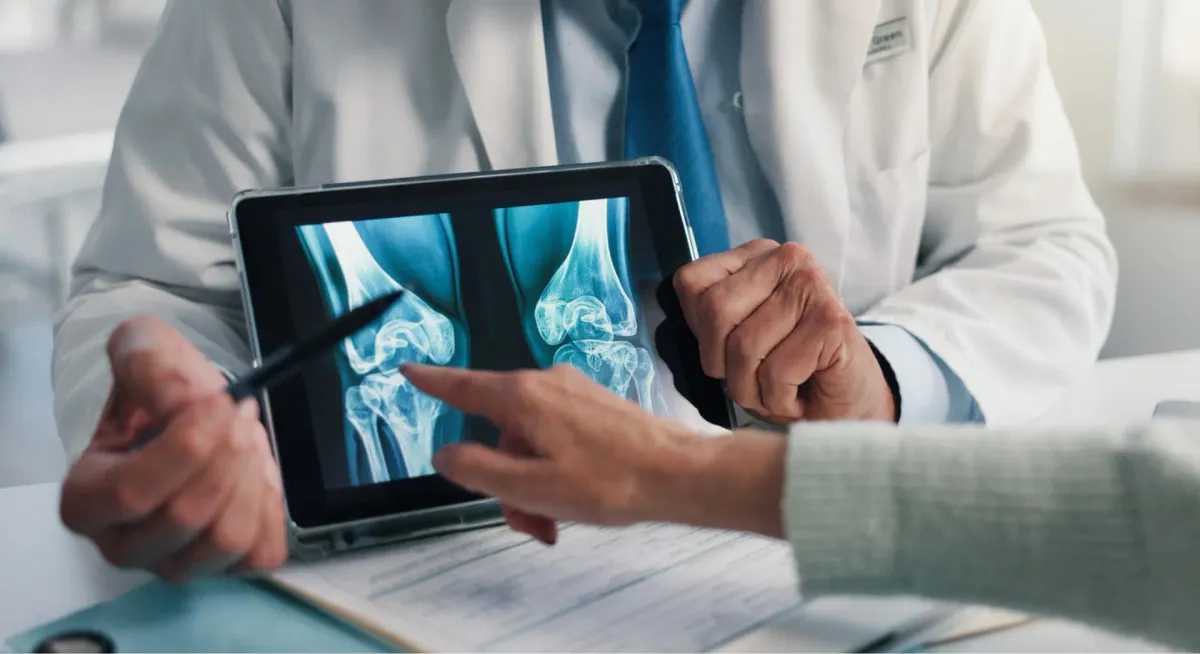
Osteoporosis breakthrough: could this lab discovery finally rebuild fragile bones? - Futura, le média qui explore le monde
The findings focus on separate strategies, ranging from a mechanical cell receptor to a blood-based gel and a brain hormone. Together, they demonstrate how targeted therapies might one day help combat bone density loss and speed up injury recovery. Activating a mechanical receptor in bone cells
Choice of Tea or Coffee Might Affect Risk of Osteoporosis in Older Women - ScienceAlert
Few of us would turn down a nice cuppa. But over the years, daily decisions between tea or coffee could make a big difference to women's bone health, a recent study suggests. Osteoporosis is a common concern for women over 50 years of age. One in three will be diagnosed with the disease, which occurs when the body fails to replace old bone as it is broken down. This causes bones to become brittle and weak, making them more prone to fractures and harder to heal. Older women are at particular risk of osteoporosis as levels of estrogen, a hormone that supports bone metabolism, drop after menopause. Surgeries to remove a person's ovaries have a similar effect. Public health researchers from Flinders University in Australia analyzed the tea- and coffee-drinking habits of roughly 9,700 US women aged over 65 years, as part of a broader osteoporosis study published in 2025. Participants self-reported their tendencies in surveys conducted on four occasions in a roughly 10-year period.
Scientists Have Ranked Which Exercises Are Best For Your Bones - ScienceAlert
Exercise is good for you – that much we can all agree on – but which exercises work best for which types of benefit? Knowing that can help in developing personalized exercise programs that suit individuals better. In a new study published in the BMJ, researchers from China decided to analyze the connections between different exercise routines and bone mineral density (BMD), a key measure of bone strength. There was a particular focus on protecting against osteoporosis and the associated bone fragility that comes with getting older. With that in mind, the study team gathered data for 18,429 individuals aged 40 or over, taken from 124 previous trials. While it's well established that exercise can help strengthen bones, the researchers wanted to see which type of exercise might work best, and how much of it was needed.600 METs minutes-per-week was where the difference got meaningful. (Lu et al., BMJ, 2026)"Age-related declines in bone mineral density are strongly associated with reduced bone strength and increased fracture risk," write the researchers in their published paper.
0 comments
No comments yet. Be the first to share your thoughts!