Biomolecular profiling for noninvasive health monitoring - Nature
This story deserves to be shared
Send it to someone who'd care, or post it on your networks.
This article is an excerpt. To read the full content, visit the original source. Nature
Related articles
Cell-specific proteome profiling reveals altered peripheral immune cell communication in early multiple sclerosis - Nature
AbstractBackgroundMultiple sclerosis (MS) is characterized by immune dysregulation, yet the molecular alterations present at disease onset remain incompletely understood. We sought to characterize immune cell-specific proteomic changes before treatment initiation in early MS and assess their impact on immune cell communication. MethodsWe performed high-resolution proteomic profiling of four major peripheral immune cell populations, CD4+ and CD8+ T cells, CD19+ B cells, and CD14+ monocytes, from newly diagnosed, treatment-naïve individuals with MS and matched healthy controls. Differential protein expression, pathway enrichment, genetic overlap, and ligand–receptor analyses were performed. ResultsAll four immune cell populations exhibit distinct proteomic alterations that discriminate individuals with MS from healthy controls. Differentially expressed proteins are enriched in pathways related to coagulation, antigen processing, vesicle trafficking, oxidative phosphorylation, and cellular stress responses. Disease-associated proteins overlap with established MS susceptibility genes, with the strongest enrichments observed in CD14⁺ monocytes and CD19⁺ B cells.
How Claude is uplifting biomolecular modeling - Anthropic
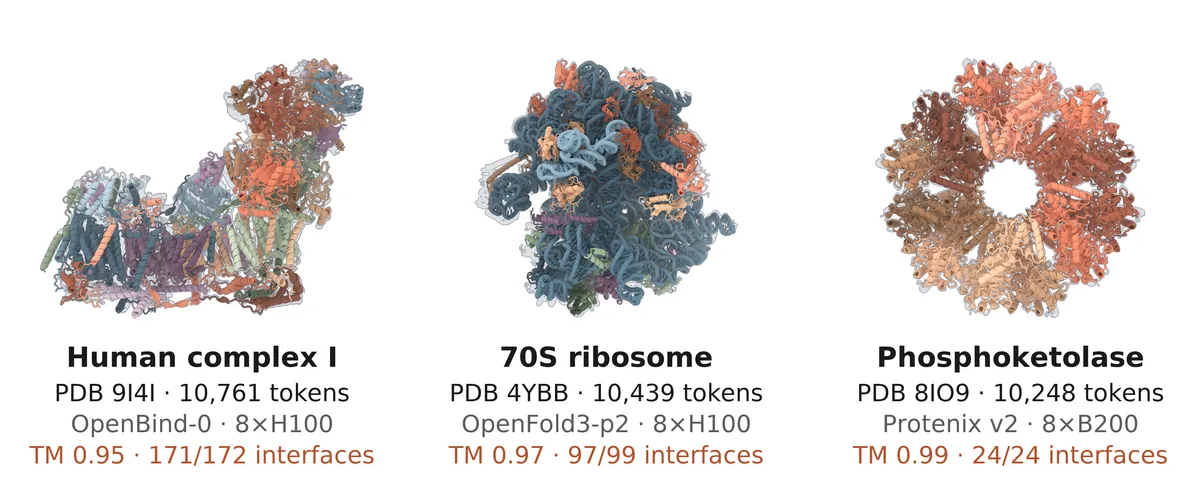
In this post, we share how Claude made the open-source models that scientists use to predict and design biomolecules faster and more memory-efficient. Claude, working within Claude Science, optimized more than 30 of these models in just under four weeks, speeding them up roughly 4x on average. It also created a low-memory mode that enables the accurate prediction of biomolecular systems larger than 10,000 tokens (amino acids, nucleotides, and atoms from small molecules and ions) on a single NVIDIA GPU node. We are open-sourcing all of the optimized code and announcing a protein design competition co-sponsored with Adaptyv Bio, backed by up to $1 million in Claude credits and wet lab validation for over 5,000 designs. Recently, we shared results demonstrating Claude’s abilities to design de novo protein binders through expert-level orchestration of open-source protein design and structure prediction models. De novo binders are small, computationally designed proteins that attach tightly to a specific target molecule to activate, block, or deliver something to it.
Gut Microbiome and Aging: How Gut Bacteria Influence Health and Longevity - News-Medical
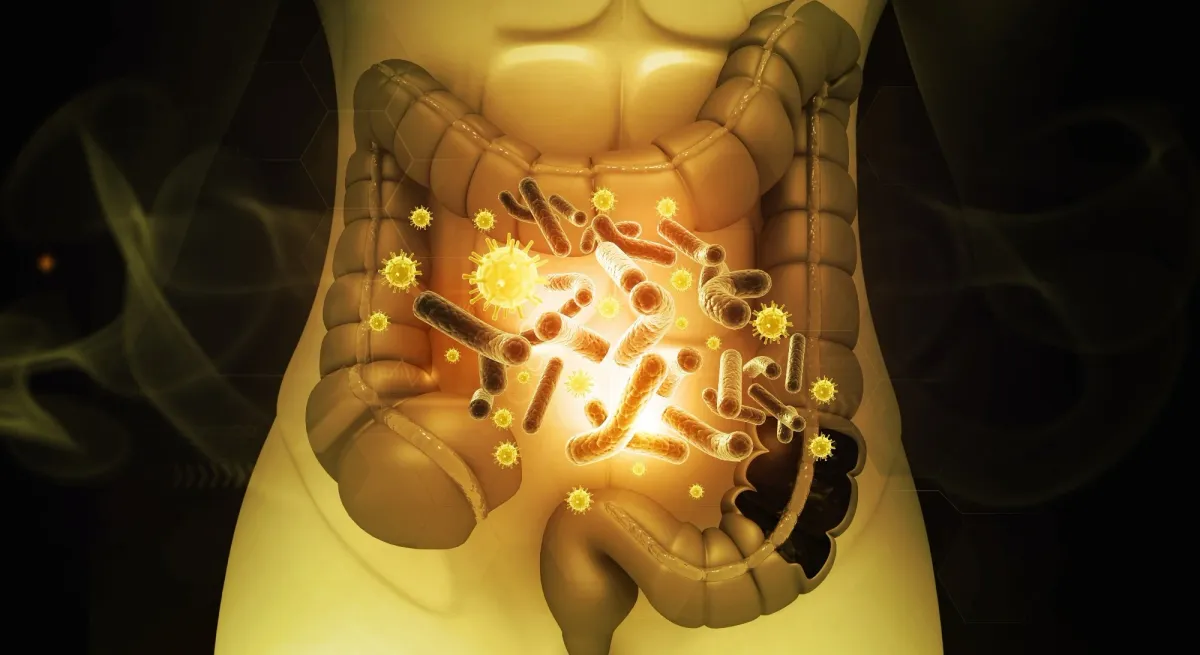
IntroductionHow does the gut microbiome change as we age? The link between gut microbiome changes and inflammationGut microbiome and age-related health conditionsCan the gut microbiome be targeted to promote longevity? From microbial shifts in later life to the distinctive gut communities of centenarians, researchers are investigating what the intestinal microbes reveal about how people age.
0 comments
No comments yet. Be the first to share your thoughts!