Cell-specific proteome profiling reveals altered peripheral immune cell communication in early multiple sclerosis - Nature
This story deserves to be shared
Send it to someone who'd care, or post it on your networks.
AbstractBackgroundMultiple sclerosis (MS) is characterized by immune dysregulation, yet the molecular alterations present at disease onset remain incompletely understood. We sought to characterize immune cell-specific proteomic changes before treatment initiation in early MS and assess their impact on immune cell communication. MethodsWe performed high-resolution proteomic profiling of four major peripheral immune cell populations, CD4+ and CD8+ T cells, CD19+ B cells, and CD14+ monocytes, from newly diagnosed, treatment-naïve individuals with MS and matched healthy controls. Differential protein expression, pathway enrichment, genetic overlap, and ligand–receptor analyses were performed. ResultsAll four immune cell populations exhibit distinct proteomic alterations that discriminate individuals with MS from healthy controls. Differentially expressed proteins are enriched in pathways related to coagulation, antigen processing, vesicle trafficking, oxidative phosphorylation, and cellular stress responses. Disease-associated proteins overlap with established MS susceptibility genes, with the strongest enrichments observed in CD14⁺ monocytes and CD19⁺ B cells.
This article is an excerpt. To read the full content, visit the original source. Nature
Related articles
Single‑cell and bulk RNA sequencing identifies T cell marker genes to predict the prognosis of ovarian cancer - Nature
We’re sharing this article early to provide faster access to peer-reviewed, accepted research. It is citable and carries a permanent DOI. This version is subject to further edits and will be replaced automatically by the final Version of Record. All legal disclaimers apply. AbstractOvarian cancer, with high mortality and often late diagnosis, shows high recurrence despite treatment. The variable effectiveness of immunotherapy highlights the urgent need for personalized, advanced therapeutic strategies. To investigate T-cell marker genes, single-cell RNA-sequencing (scRNA-seq) data were sourced from the Gene Expression Omnibus (GEO) database. Additionally, bulk RNA-sequencing data along with clinical information from ovarian cancer patients were retrieved from the Cancer Genome Atlas (TCGA) database to establish a prognostic signature. This study involved survival analysis to evaluate associations between different risk groups, and explored cellular communication and relevant pathway analyses, including metabolic pathways.
Finding their sense of direction: Cell movement helps tissues establish polarity - Phys.org
From the hairs on our arms to the microscopic sensory structures of the inner ear, many tissues in the body are built with a clear sense of direction. To build these structures throughout development, individual cells must establish which way they are facing—and coordinate that orientation with cells around them. If they get this wrong, tissues may fail to form, form improperly or fail to function.
AI reveals a shared language guiding cell development - Phys.org
As an embryo develops from a small cluster of stem cells, those once "blank slate" cells begin to take on more specialized roles like brain, liver or muscle cells and organize themselves into three-dimensional structures such as tissues and organs.
DNA recording system reveals how a single cell becomes a body - Science Daily
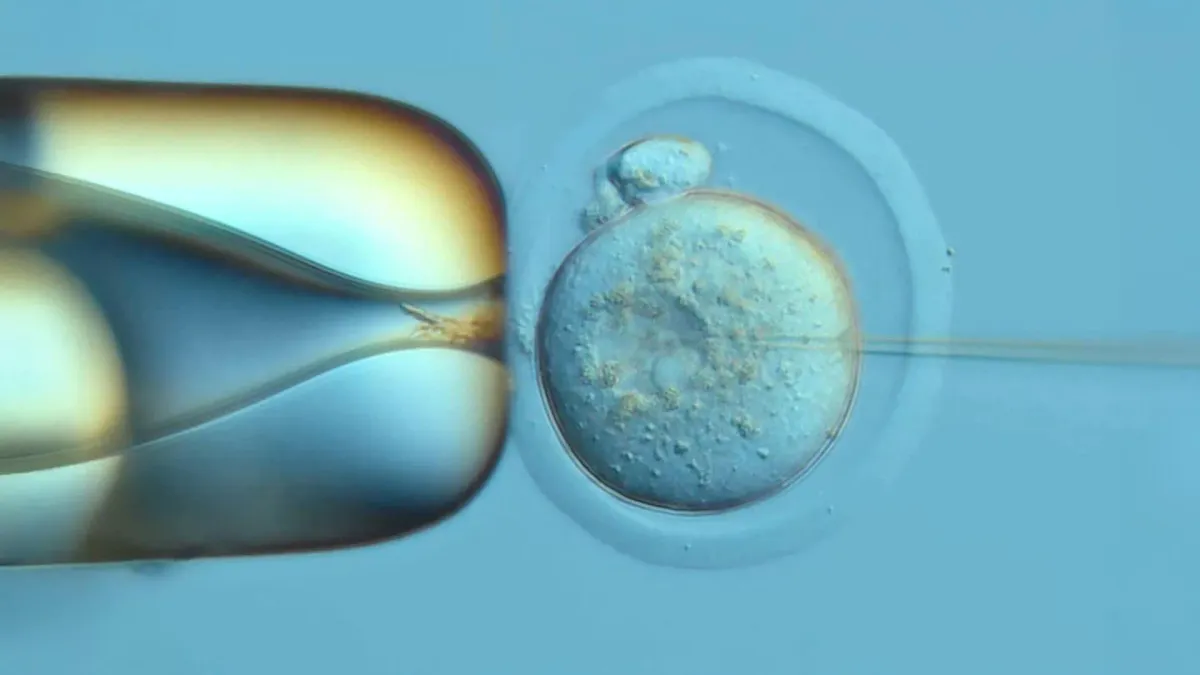
Scientists have reconstructed a remarkably detailed family tree of cells in a developing mouse embryo, tracing their origins back to the moment a fertilized egg first divided into two cells. Using an innovative DNA recording technology, the researchers followed how those early cells multiplied, developed specialized roles, and eventually helped form a body with distinct organs and tissues. The recording covered the first 13.5 days of embryonic development, providing an unusually detailed look at how a complex mammalian body takes shape. (Full gestation in mice is 19 to 21 days.)
0 comments
No comments yet. Be the first to share your thoughts!