Bending a liquid: Liquid membranes flex 100 times more easily than cell membranes - Phys.org
This story deserves to be shared
Send it to someone who'd care, or post it on your networks.
This article is an excerpt. To read the full content, visit the original source. Phys.org
Related articles

Severance Meets Fringe In Apple TV's Mind-Bending Sci-Fi Mystery Series - TVLine
Alternate realities and doppelgangers are subjects that many genre-defining science fiction TV shows have explored. "Fringe" and "Severance" are both excellent examples of this, and if you enjoy those shows, then you should definitely check out "Dark Matter," which debuted on Apple TV in 2024. This mind-bending series blends ideas touched upon in "Fringe" and "Severance" to create something truly intriguing, and the reaction from critics and audiences alike has been positive. "Dark Matter" offers audiences a look at one man's attempt to get back to his original timeline after being kidnapped and transported to an alternate version of his life. That man is Jason Dessen, played by Joel Edgerton. He's left desperately trying to find a way home after being displaced by a version of himself from another timeline. Jennifer Connelly is fantastic as Jason's wife, and Alice Braga also brings her A-game as the girlfriend of Jason2.
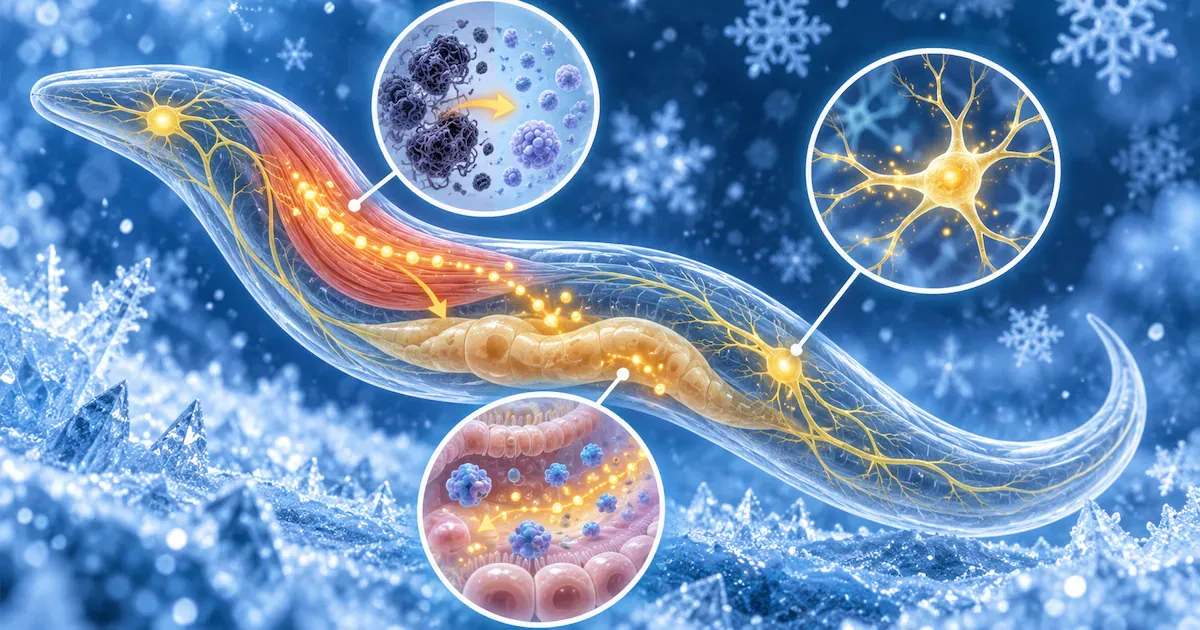
Muscle-Derived BH2 Delays Aging in Other Organs - 조선일보
Muscles Longevity Signal BH2 Delays Aging in Cold Environments BH2 reduces protein clumps in human cells, offering potential for anti-aging therapies and neurodegenerative disease treatments
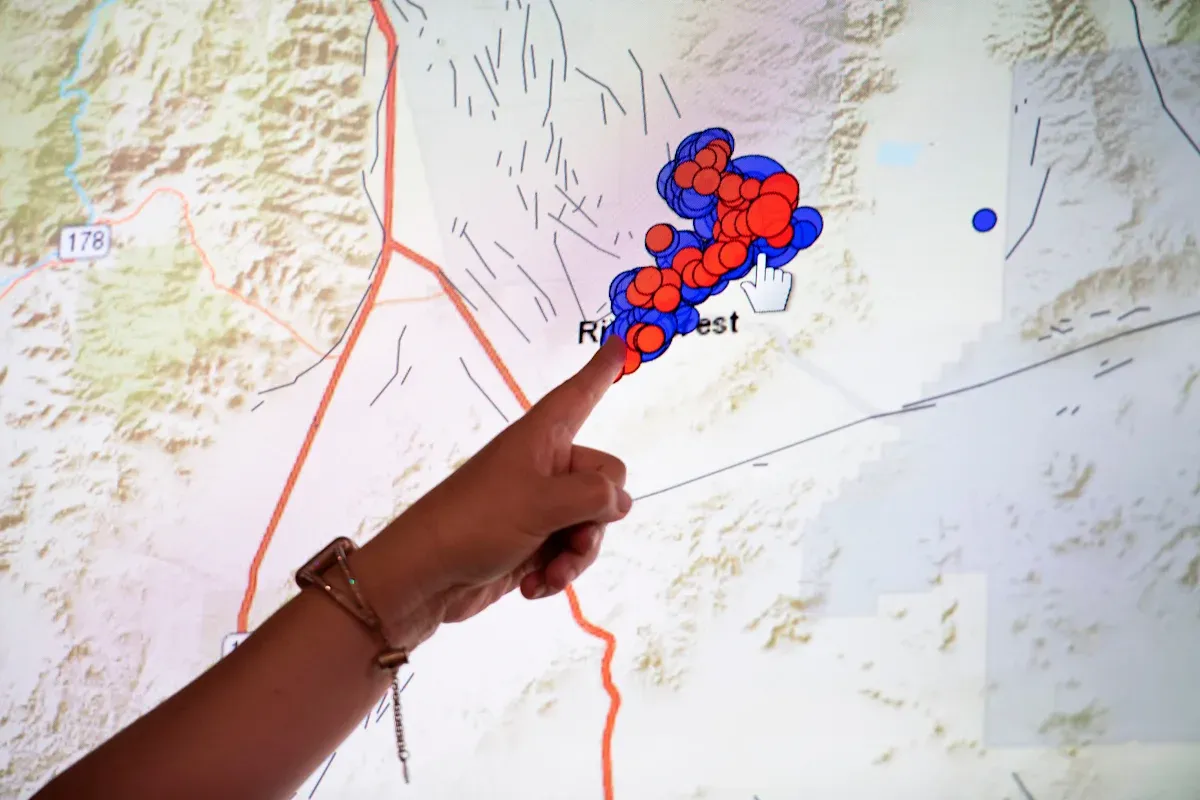
Can scientists forecast earthquakes? A 2026 study offers clues - Yahoo
Scientists cannot predict exactly when and where the next earthquake will strike. But a decade-long experiment suggests some forecasting models can reliably predict patterns in earthquake activity, offering new evidence that could help agencies better communicate seismic risks. Researchers evaluated 27 earthquake forecasting models using more than 51,000 forecasts generated between 2007 and 2018. They compared the forecasts with 597 earthquakes recorded in California, testing whether the models accurately described the number, locations and magnitudes of seismic events that occurred after each forecast was issued. The findings come from a decade-long experiment in California that tested 27 earthquake forecasting models against nearly 600 recorded earthquakes. The study, published in Nature Communications in August and highlighted in the university's Oct. 15 news release, could help scientists improve systems used to communicate changing earthquake risks. The study does not offer a way to predict the next major earthquake.
0 comments
No comments yet. Be the first to share your thoughts!