Muscle-Derived BH2 Delays Aging in Other Organs - 조선일보
This story deserves to be shared
Send it to someone who'd care, or post it on your networks.
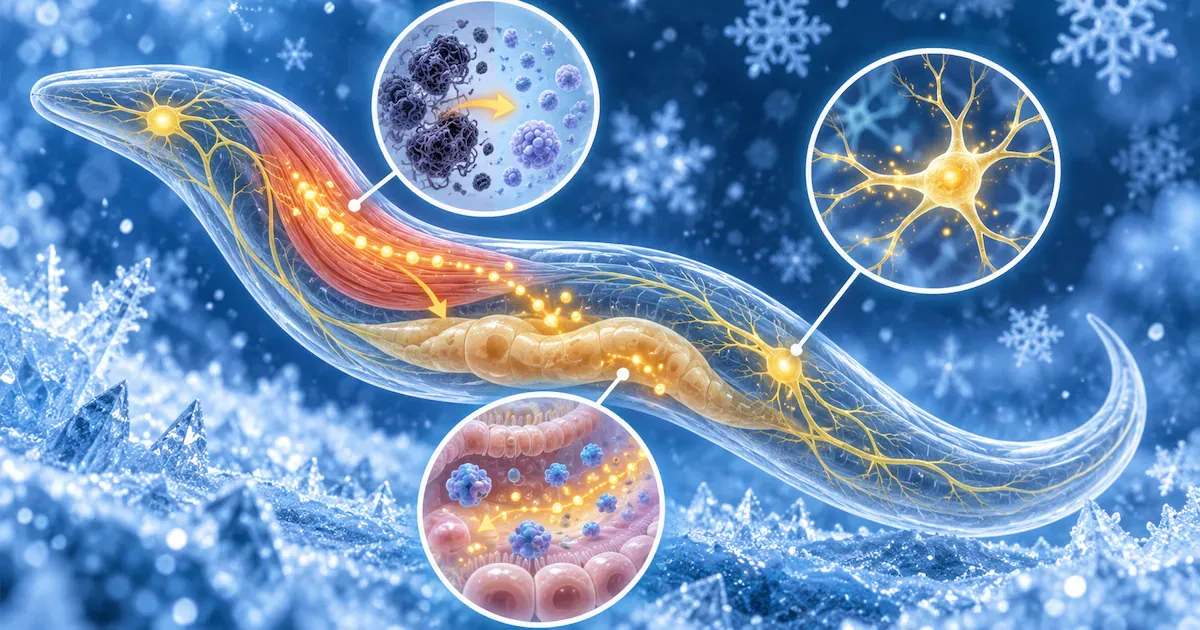
Muscles Longevity Signal BH2 Delays Aging in Cold Environments BH2 reduces protein clumps in human cells, offering potential for anti-aging therapies and neurodegenerative disease treatments
This article is an excerpt. To read the full content, visit the original source. 조선일보
Related articles
Adding 1 Mushroom-Derived Molecule to Salt Can Make It Taste 71% Saltier - ScienceAlert
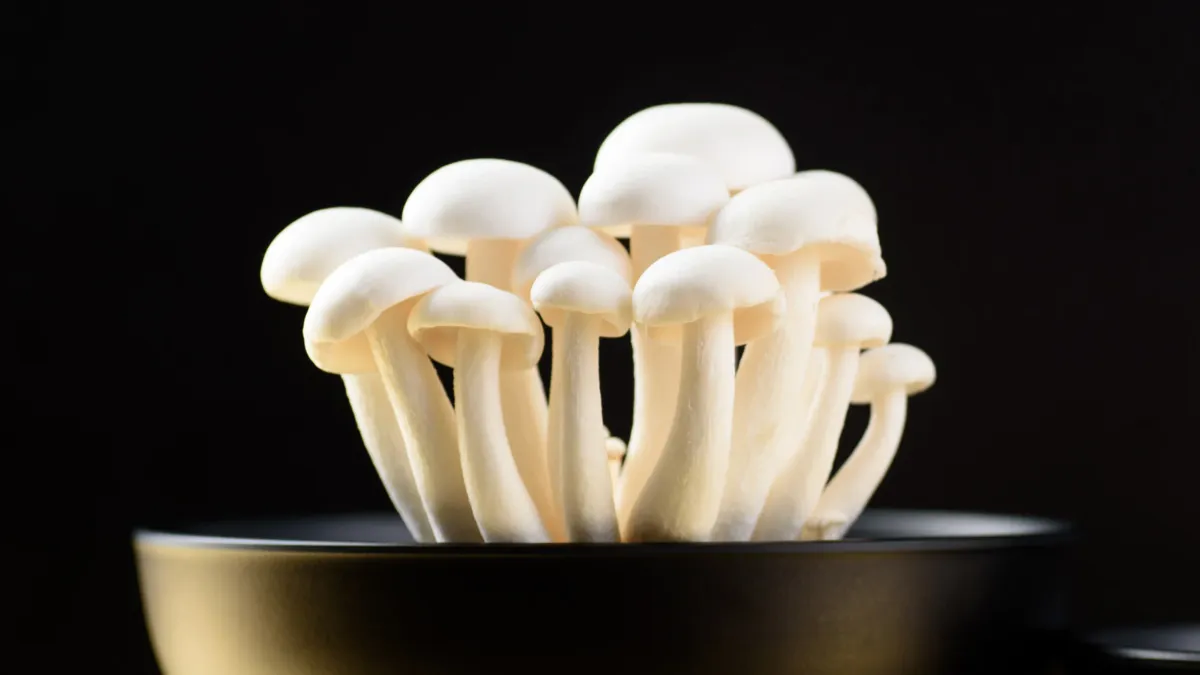
You taste a bowl of soup and reach for the salt. A little more might bring the flavor together. But what if the same amount of salt could deliver a stronger salty taste? Scientists in China have found three tiny fragments of mushroom proteins that did just that in laboratory tests. Added to salt solutions, the molecules made them taste saltier, with the strongest increasing perceived saltiness by about 71 percent. The discovery could help researchers develop seasonings that preserve salty flavor while allowing less sodium. The study in npj Science of Food, led by researchers at Gannan Medical University and Shanxi Medical University, tested peptides from the edible beech mushroom (Hypsizygus marmoreus). Peptides are short chains of amino acids, the building blocks of proteins. Some have tastes of their own, including umami, the savory quality associated with mushrooms and other foods. Certain umami peptides can also strengthen the perception of saltiness. That makes them interesting candidates for a familiar problem: reducing salt can change the taste of food, making a healthier formulation harder to enjoy.

How Badly Does Smoking Wreck Your Reproductive Organs? Here's What the Science Says. - VICE
It’s weird to think there was a time when people didn’t logically assume that inhaling cigarette smoke several times a day didn’t have some kind of native effect on the body. Some doctors even recommended smoking at one point. Now we know smoking causes a range of issues, like cancer and emphysema. But those are the broad implications that affect everyone. According to new research, cigarettes can impact our reproductive organs, but those impacts may affect men and women differently. A study published in Frontiers in Toxicology by researchers at the Universities of Nottingham and Sheffield looked at how cigarette smoke extract affected male and female mice over twelve weeks. The team found that while tobacco smoke wrecks reproductive health across the board, regardless of whatever factors you threw in front of it, it does operate through distinct biological routes depending on sex.

Human brain is two separate organs, Stanford Medicine-led research finds - Stanford Medicine
For centuries, scientists have thought of the brain as a single, unified organ. But new research led by Stanford Medicine reveals that what we call the brain is two distinct organs that evolved independently over hundreds of millions of years. The discovery overturns a prevailing model of brain development. For decades researchers have subscribed to the theory that there is a single progenitor cell early in development that gives rise to the entire brain. This model suggested all parts of the brain shared a common developmental origin.
Scientists Say Your Organs Don’t Grow Old Slowly—They Age in Two Sudden Bursts. Here’s When. - Popular Mechanics
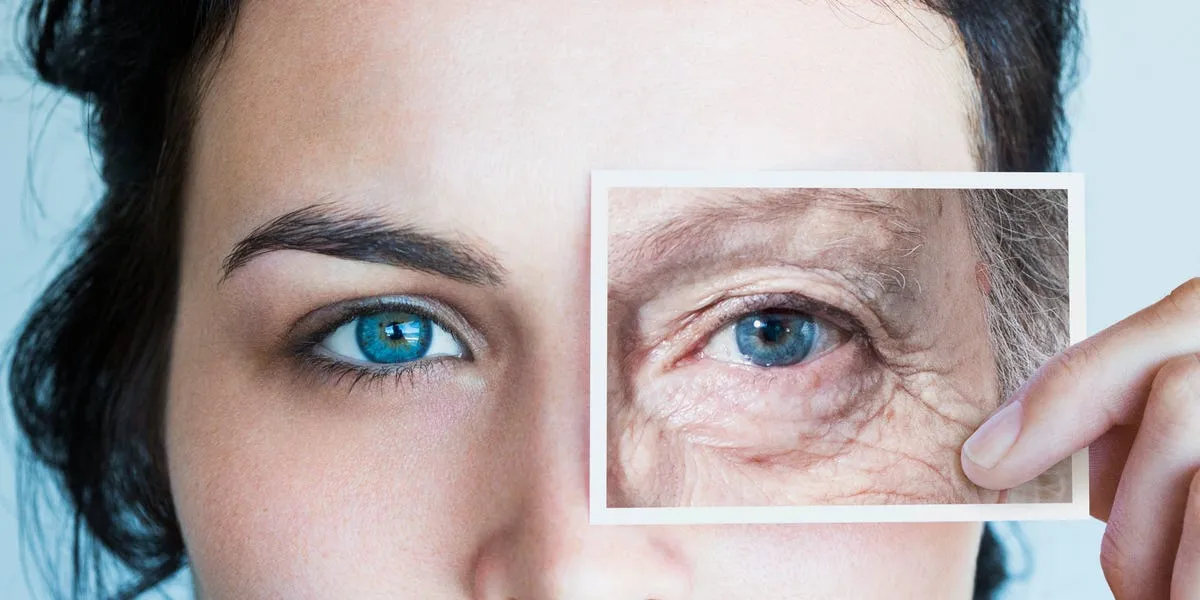
Here’s what you’ll learn when you read this story:The human body doesn’t age steadily—instead, organs largely experience two phases of rapid aging, also known as biphasic aging. A new study found that while some tissues, such as vascular, uterine, or vaginal tissue, don’t follow this two-phased aging, most do. Scientists reached this conclusion by developing a deep-learning model called Pathology-based Structural Aging Rate (PathStAR) to extract underlying tissue structure from 25,000 organ images in a public database and then plot molecular changes over time. Time is an incredibly complex concept that we tend to define in simple terms. Time marches inexorably forward—second by second, day by day, decade by decade—but if you plug Albert Einstein’s Special Theory of Relativity into this conceptualization, things suddenly aren’t so simple. In some ways, the same can be said for aging. Every year we add more candles to the birthday cake, but like time, this steady progression of aging is just a conception, not physical reality.
A Single Blood Sample May Reveal The Biological Age of Each of Your Organs - ScienceAlert
Your birthday tells you how many years you have been alive. But it cannot tell you whether your heart, brain, or kidneys have weathered those years equally well. That's because organs within the same body can show different levels of biological aging. A new study published in Nature Medicine suggests that aging leaves different marks on the microscopic structure of each organ. Scientists have now used those marks to develop a method that may predict which organs look older than expected from a single blood sample. This is not yet a blood test you can request at a hospital. Nor can it track an organ over many years to directly measure how quickly it is aging. Instead, it estimates whether an organ appears biologically older or younger than expected for a person's chronological age. A team led by André Rendeiro, with Ernesto Abila, Iva Buljan, and Yimin Zheng as co-first authors, examined 25,712 microscopic tissue images from 983 deceased donors. The samples covered 40 tissue types across 29 organs. The authors of the study André Rendeiro, Iva Buljan, Ernesto Abila and Yimin Zheng (from left to right).
0 comments
No comments yet. Be the first to share your thoughts!