Astronomers uncover the engine behind the most powerful stellar flares in the Kepler field - Phys.org
This story deserves to be shared
Send it to someone who'd care, or post it on your networks.
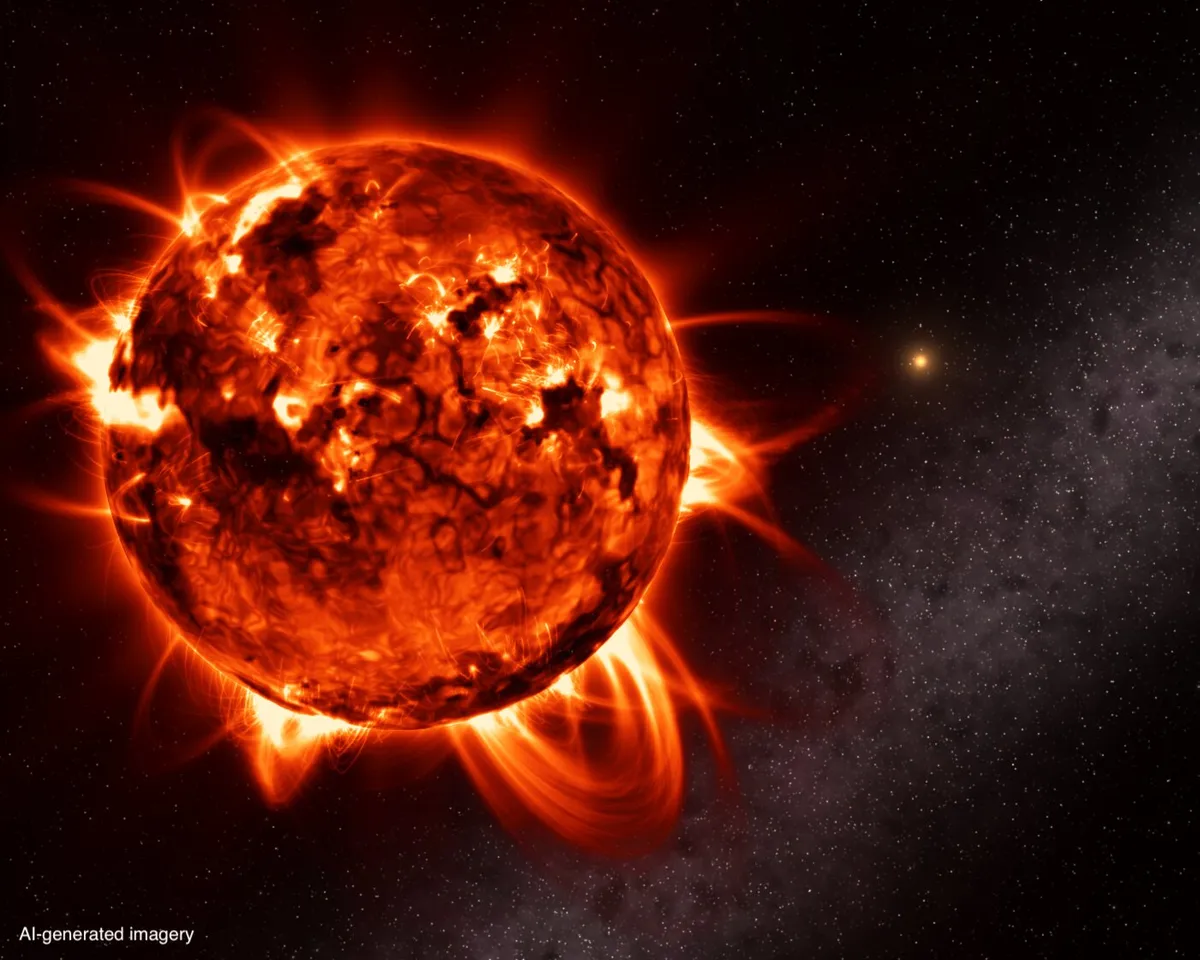
Artistic impression of the red giant KIC 2852961 and its intense coronal loops above the surface, with the dwarf star companion behind it. Credit: Zsolt Kővári
A new study led by researchers at the Konkoly Observatory of the HUN-REN Research Centre for Astronomy and Earth Sciences (HUN-REN CSFK) in Budapest has revealed what makes a distant red giant star the most explosively active in the entire Kepler field—and the answer lies in a surprisingly subtle interplay between a close stellar companion, vast dark starspots and a highly efficient internal magnetic dynamo.
This article is an excerpt. To read the full content, visit the original source. Phys.org
Related articles

Asteroid Impact Unleashed 330-Foot North Sea Tsunami - Mirage News
A massive asteroid slammed into the North Sea roughly 43 to 46 million years ago, triggering a tsunami more than 100 meters (330 feet) high. Now, after more than two decades of scientific disagreement, researchers have uncovered compelling evidence confirming the ancient collision. The impact created what is now known as the Silverpit Crater, a massive structure buried deep beneath the seafloor. Although scientists first discovered it in 2002, its origins remained fiercely debated, with some researchers arguing that geological processes, rather than an object from space, were responsible. A research team led by Dr. Uisdean Nicholson of Heriot-Watt University in Edinburgh has now provided the strongest evidence yet that Silverpit was formed by an asteroid or comet. By combining advanced seismic imaging, microscopic examination of rock samples, and computer simulations, the scientists have reconstructed the violent event and identified minerals that could only have formed under extraordinary pressure. The findings, published in Nature Communications, establish Silverpit as one of the relatively few confirmed impact craters on Earth.
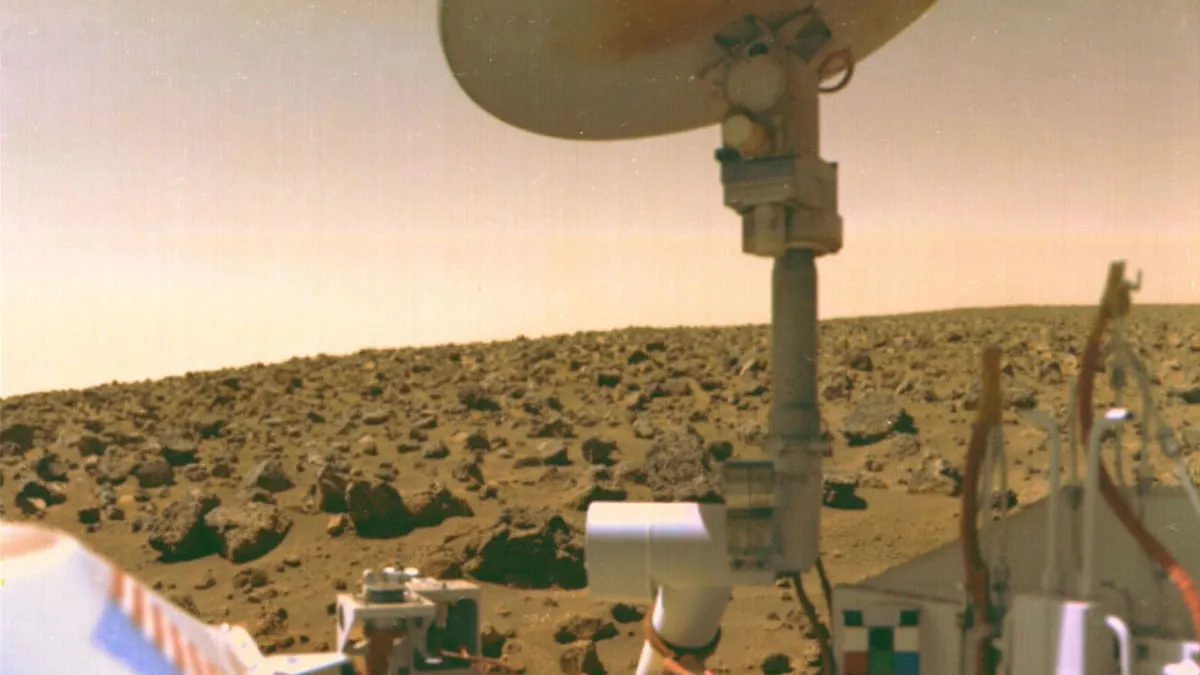
InSight into Seismology on the Red Planet - Eos
The Viking 2 lander taking a self-portrait on the surface of Mars. Credit: NASA/JPL-Caltech Earthquakes and the seismic waves they generate provide some of the best clues to Earth’s interior. To extend that success to other worlds, scientists placed seismometers on the Apollo missions to the Moon and on the Viking Mars landers, which reached Mars in 1976. Though the Apollo detectors proved a resounding success, Viking’s results on Mars were less clear: Viking 1’s seismometer failed to deploy properly, and Viking 2 recorded only two ambiguous events.

Too much RNA can starve cells of energy, scientists discover - Science Daily
Scientists have uncovered a surprising way that viruses can interfere with the body's cells. When too much RNA accumulates inside a cell, it can damage the structures that produce energy, potentially leaving the cell struggling to function normally. A new study led by researchers at the Texas A&M College of Veterinary Medicine and Biomedical Sciences (VMBS) found that excess RNA produced during poxvirus infections can impair mitochondria, the tiny structures responsible for generating most of the energy cells need to survive.
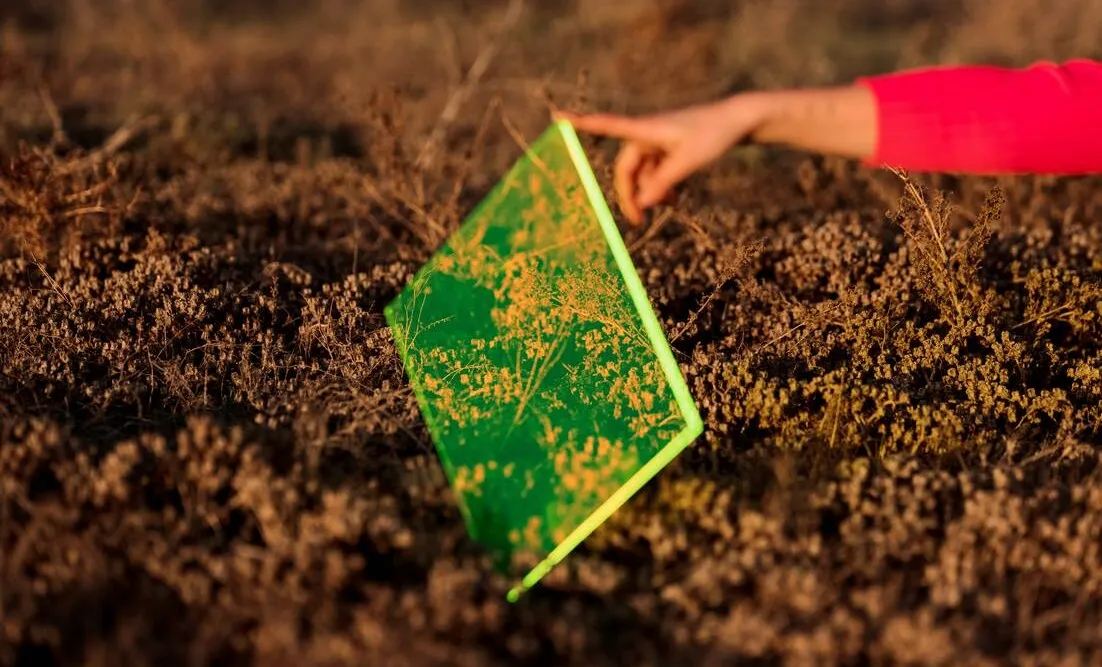
Scientists Discover a Simple, Low-Energy Way to Recycle Acrylic Glass into Brand-New Material - Good News Network
Researchers at ETH Zurich have found a practical new method that breaks down acrylic glass—better known as Plexiglas—almost entirely into its original building blocks, making high-quality recycling realistic and affordable for the first time. Acrylic glass shows up in everyday products like windows, car taillights, furniture and protective barriers. Most of it has ended up as waste because older recycling methods were too costly, too energy-intensive or too complicated for companies to adopt.
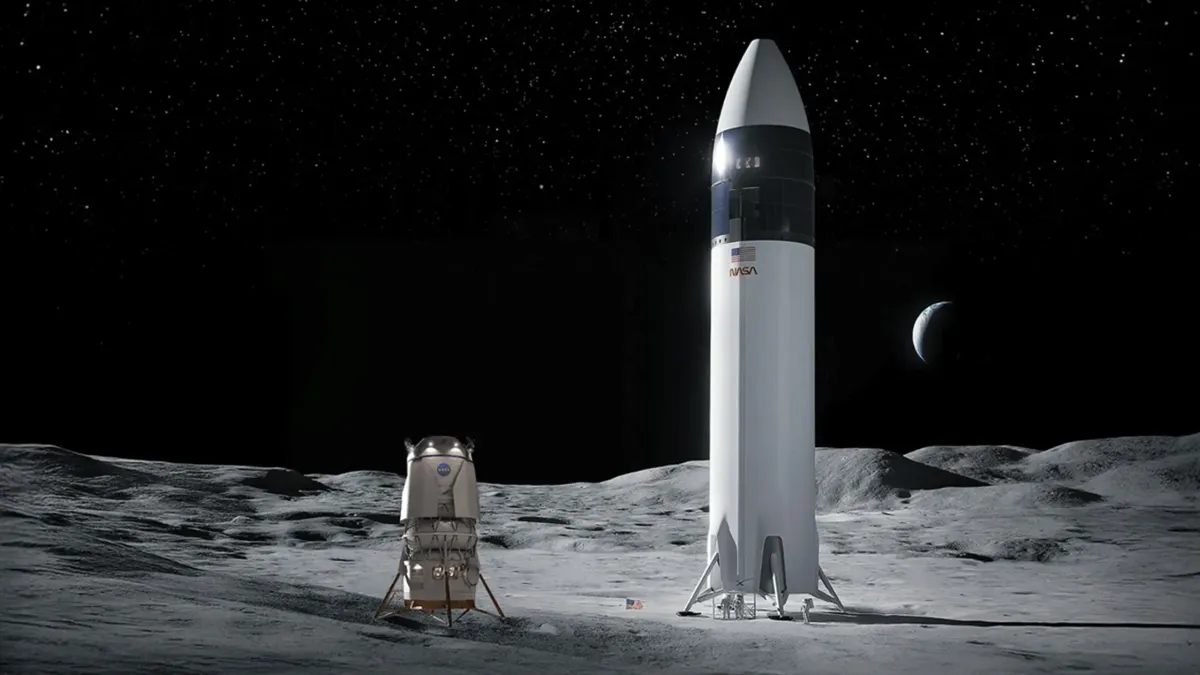
When will SpaceX and Blue Origin fly to the moon? NASA reveals lunar lander timelines (and an Artemis III update) - Space
If NASA's timeline holds, there are going to be some exciting launches over the next 12 months.
0 comments
No comments yet. Be the first to share your thoughts!