Astrobiologist Dale Andersen's Antarctic Field Report: Wheels Down In Cape Town - Astrobiology Web
This story deserves to be shared
Send it to someone who'd care, or post it on your networks.
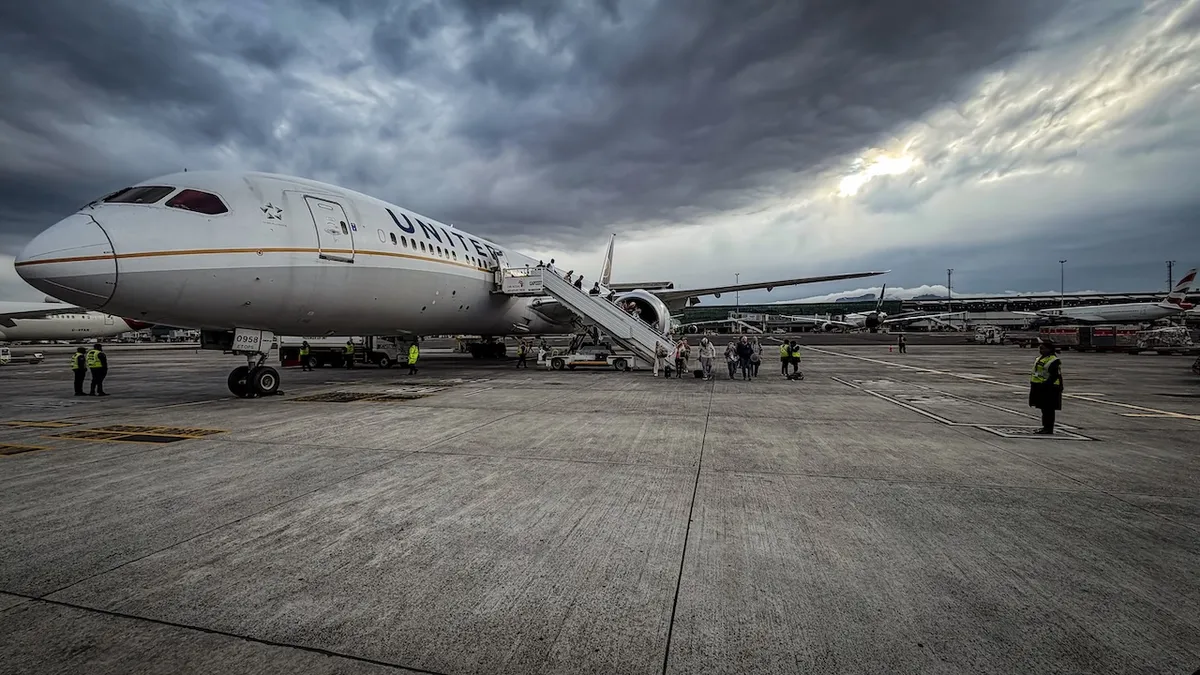
[Dale Andersen]: The 787 Dreamliner rolled to a stop far out on the apron, as the big jets often do here, and I climbed down into a gray afternoon and onto a waiting bus.
Across the airfield, parked in front of the Ultima Antarctic Logistics hangar, stood the aircraft that will carry us the rest of the way: six hours south over the Southern Ocean to the Antarctic continent.
This article is an excerpt. To read the full content, visit the original source. Astrobiology Web
Related articles
A mineral from the inside of planets reveals a surprising lesson: How you push matters - Phys.org
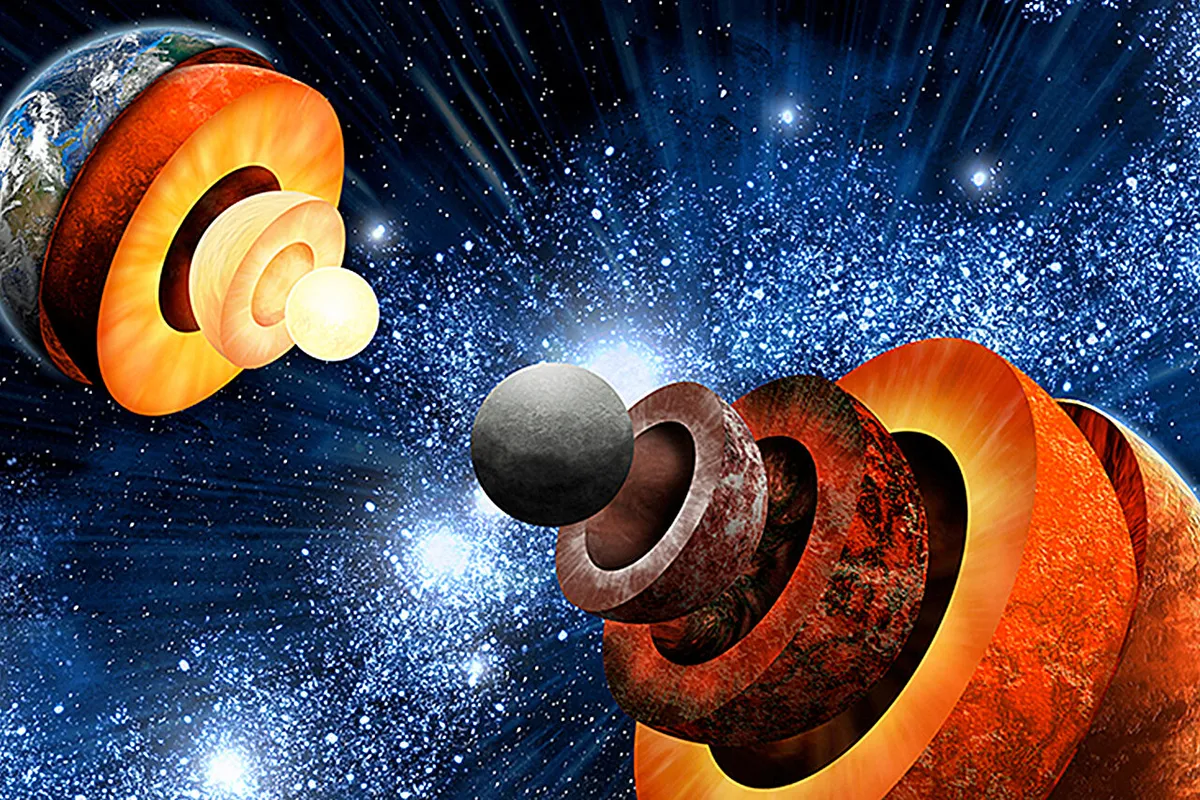
An artistic rendering of the interior structure of Earth (left) compared to a large rocky exoplanet (right). Credit: John Jett and Federica Coppari/LLNL In the deepest region of the Earth's mantle, just above the core, much of the material consists of crystals of magnesium oxide. In larger rocky exoplanets called super-Earths, the higher pressures in the lower mantle may drive magnesium oxide to transform into a new high-pressure crystal structure or a metallic, electrically conductive liquid that generates a magnetic field. And in gas giants, magnesium oxide could exist in the cores themselves.
Climate-resilient chickpeas: Omics breeding targets yield and supply stability - Food Ingredients First
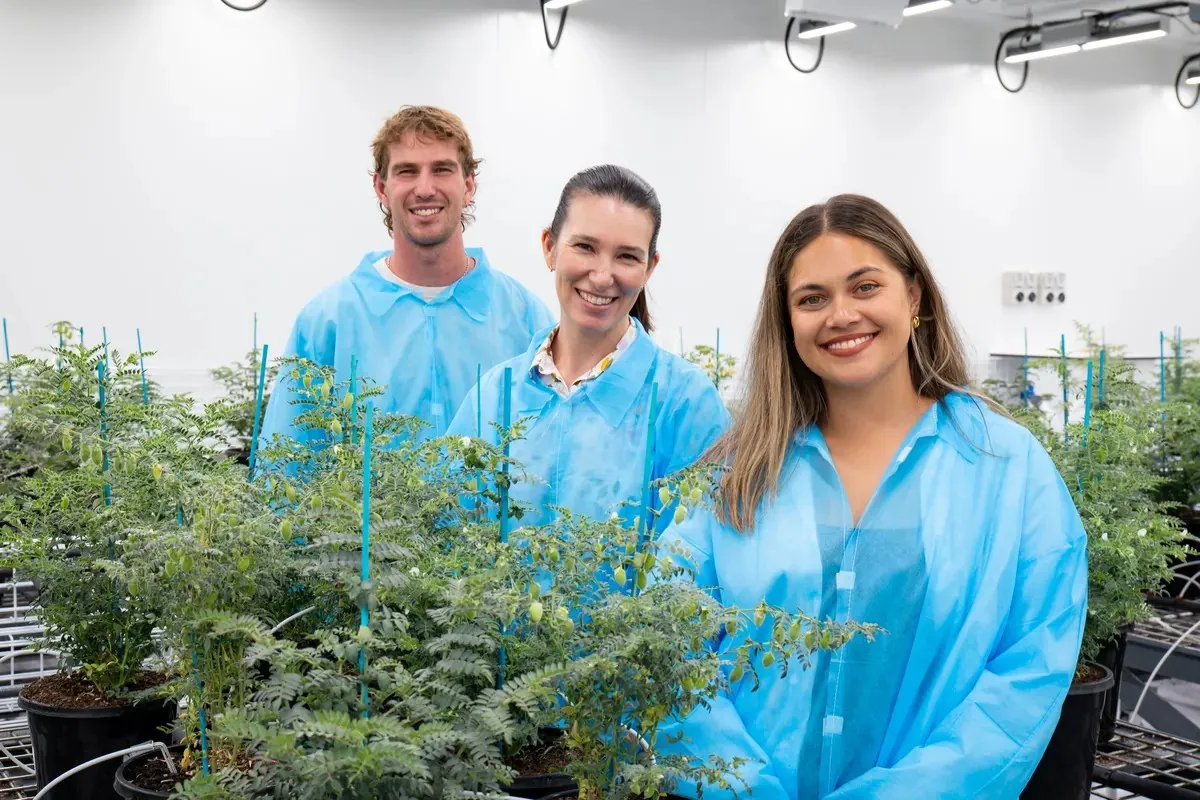
Project lead Dr. Millicent Smith (center) with co-authors Dr. Shanice Van Haeften (right) and Callum Jamie (left) at the UQ Plant Futures Facility (Image credit: Megan Pope, UQ). Scientists in Australia are mapping a staged “omics” approach to accelerate breeding for heat-adapted chickpeas as rising temperatures threaten flowering, grain filling, and yields. The team aims to provide a practical pathway to accelerate the development of heat-adapted chickpea varieties and strengthen food security in vulnerable regions. The authors note that the average global temperature is projected to increase by 1.8 to 4.0°C by 2100, exacerbating heat stress risk in major chickpea-producing regions, such as India, Pakistan, and Ethiopia, where grain legumes are a key dietary component. Such heat stress during reproductive development is highlighted as a critical constraint to chickpea productivity in the review. It can cause flower and pod loss and reduced pollen viability. Project leader Dr.
“They look comic, as if they’re kind of wobbling, and then they crash into the side of the next trunk” - BBC Wildlife Magazine
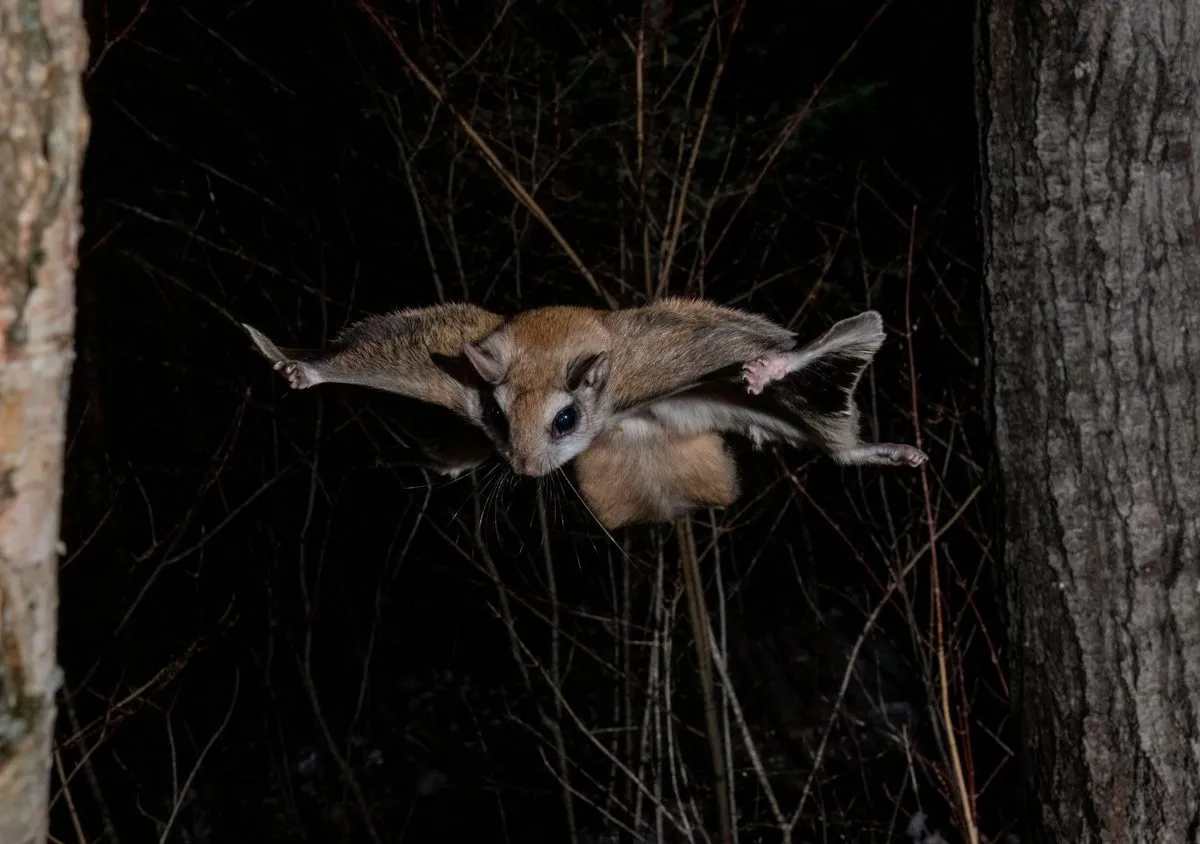
One of Britain’s most-loved writers, Simon Barnes, has revealed the inspiration behind his new book on flight – and it involves flying squirrels crashing into trees. Simon has been obsessed by flight for as long as he can remember, and in his book How to Fly: Taking Wing With Birds, Bats, Insects and Humans (Bloomsbury) he explores the wonders of flight and the way different species have evolved distinct solutions to the problem of defying gravity.
Scientists probe link between early brain development and conditions such as autism - Financial Times
Venture will harness clinical data and laboratory tissue models in quest for potential new therapies
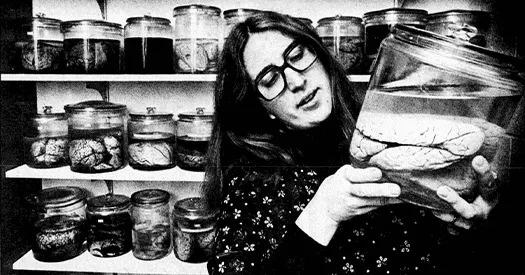
Remembering Barbara Finlay, ‘maverick’ of evolutionary neuroscience - The Transmitter
Brain beholder: Barbara Finlay, pictured here in the Wilder Brain Collection that she curated at Cornell University, spent her 40-year career studying how the brain develops and evolved. Finlay, who died on 12 September, championed the idea that developmental constraints dictate how evolution sculpts brains, a concept she used to model the timing of hundreds of events and align them across mammalian species.
0 comments
No comments yet. Be the first to share your thoughts!