Associations of serum phosphate levels and intravenous phosphate exposure with mortality in patients with sepsis: a multi-database retrospective study - Nature
This story deserves to be shared
Send it to someone who'd care, or post it on your networks.
We’re sharing this article early to provide faster access to peer-reviewed, accepted research. It is citable and carries a permanent DOI. This version is subject to further edits and will be replaced automatically by the final Version of Record. All legal disclaimers apply.
AbstractAbnormal phosphate concentrations are common in sepsis, but the prognostic relevance of serum phosphate and the association between recorded intravenous phosphate exposure and mortality remain uncertain. This retrospective cohort study used MIMIC-III, MIMIC-IV, and a single-center database from the First Affiliated Hospital of Chongqing Medical University. Adults with ICD-coded sepsis, a first ICU admission, and an ICU stay longer than 24 h were included. Admission phosphate was evaluated with restricted cubic spline regression for 28- and 90-day mortality. Recorded intravenous phosphate exposure was assessed using multivariable logistic regression in the 48- and 72-h landmark populations. Propensity-score matching and inverse-probability-of-treatment weighting were performed at both landmarks. A target-trial emulation was also performed. Cohorts 1 and 2 included 15,426 and 967 patients, respectively.
This article is an excerpt. To read the full content, visit the original source. Nature
Related articles
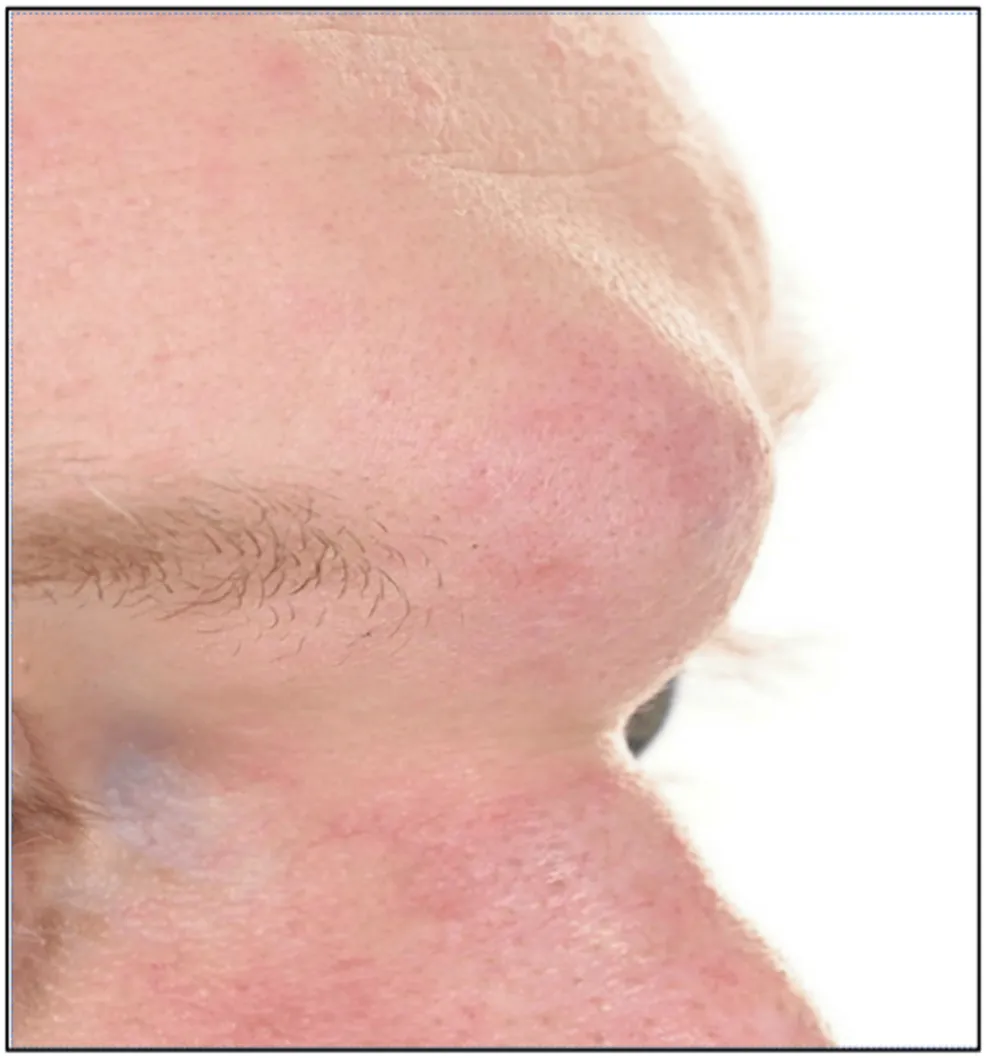
Delayed Clinical Response Following Intravenous Bleomycin Electrosclerotherapy for a High-Flow Glabellar Arteriovenous Malformation - Cureus
High-flow arteriovenous malformations (AVMs), particularly in the facial region, present challenges to management due to the complex surrounding anatomy. Bleomycin electrosclerotherapy (BEST) is a treatment option for facial AVMs. In these instances, the bleomycin is most commonly administered intralesionally or via selective intra-arterial injection. We report the case of a 28-year-old man with a congenital glabellar AVM that has progressively enlarged and developed a palpable pulsation over the preceding few years. A soft tissue ultrasound and contrast-enhanced computer tomography (CT) confirmed a high-flow glabellar AVM with arterial feeders arising from the ophthalmic arteries and the external carotid arteries bilaterally. Due to the proximity of the ophthalmic arteries, direct sclerosant injection and embolisation were considered high risk for visual compromise. The patient underwent BEST under general anaesthesia, with 15,000 units of bleomycin administered intravenously followed by electroporation targeted to the lesion nidus. The procedure was completed without immediate complication. At eight weeks post-procedure, there was only marginal improvement in lesion size and puls
Intraoperative intravenous lidocaine for analgesia after oral cancer surgery with free perforator flap reconstruction: a randomised controlled trial - Nature
Intravenous lidocaine is effective in various surgical procedures, but its efficacy in oral cancer surgery is uncertain. We hypothesised that intraoperative intravenous lidocaine infusion can reduce 24-hour postoperative opioid consumption and reduce postoperative pain in patients undergoing oral cancer surgery with free perforator flap reconstruction. In this blinded, randomised, placebo-controlled trial, a total of 64 patients scheduled for elective oral cancer surgery with free perforator flap reconstruction were enrolled and randomly assigned to either the lidocaine group receiving intravenous lidocaine, or the control group receiving normal 0.9% saline. The primary outcome was the cumulative consumption of opioids at the first 24 h postoperatively. Secondary outcomes included the cumulative consumption of opioid drugs intraoperatively within 48 h and 72 h postoperatively, NRS scores at 24, 48, and 72 h postoperatively, lidocaine-related adverse events, incidence of chronic pain and neuropathic pain at 3 months postoperatively. From August 2024 to December 2024, a total of 102 patients were screened for eligibility, 64 patients were included.
Intravenous Vitamin Infusion Pros and Cons - Cleveland Clinic Health Essentials
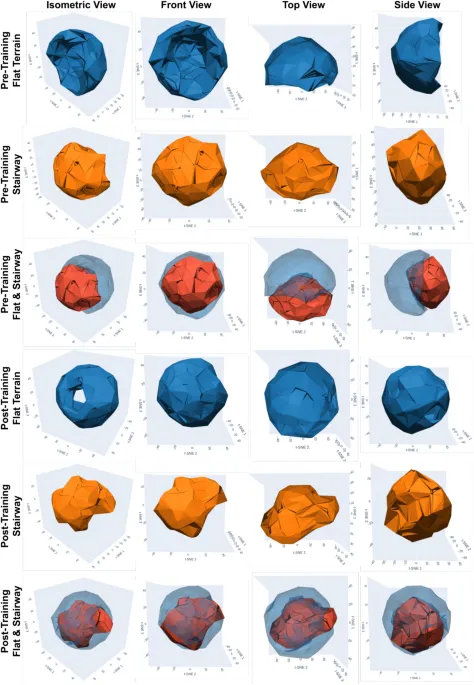
A semantic-conditioned multi-modal behavior cloning framework for terrain-specific behavior isolation in humanoid locomotion - Nature
Held-out test subset of \(\mathscr {D}\) \(\textbf{e}_{l_t} \in \mathbb {R}^{8}\)
0 comments
No comments yet. Be the first to share your thoughts!