Arts Remembrance: Tribute to Jazz Producer Alex Lemski - The Arts Fuse
This story deserves to be shared
Send it to someone who'd care, or post it on your networks.
This article is an excerpt. To read the full content, visit the original source. The Arts Fuse
Related articles
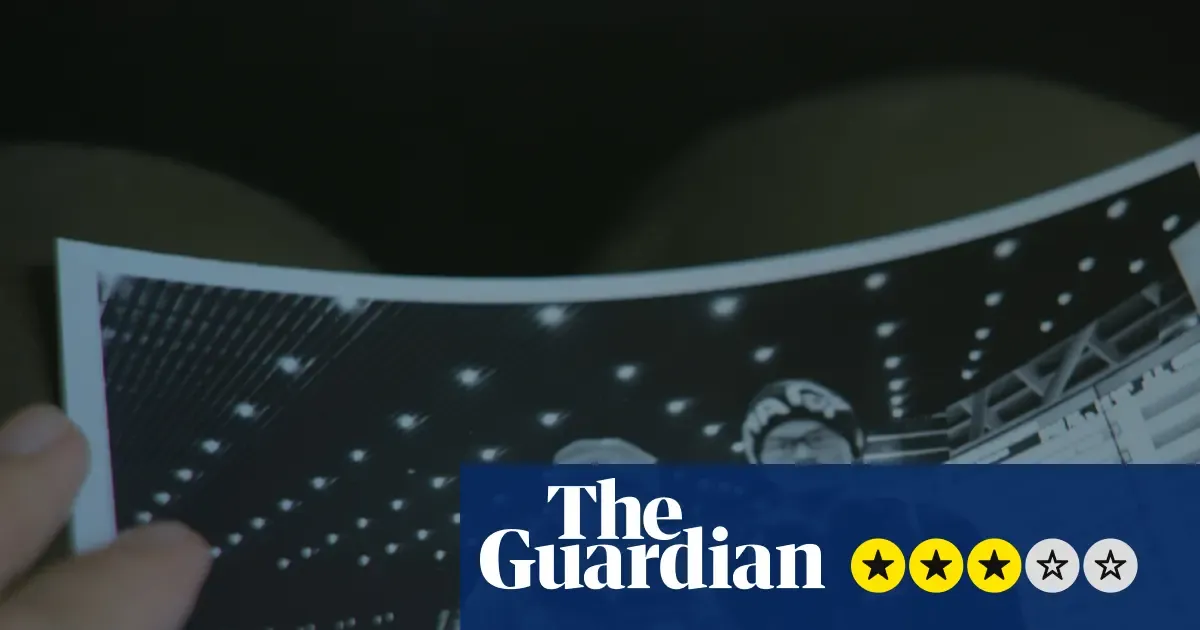
After the Snowmelt review – a fatal disaster in a snowstorm leads to devastating act of remembrance
A work of deep personal reckoning, Yi-Shan Lo’s debut documentary feature opens with closeups of the film-maker’s own footsteps as she trudges through a snowbound landscape. Her jagged movement mirrors the rugged trajectory of the film itself, which grapples with a harrowing tragedy. In 2017, Lo was about to join her best friends Chun and Yueh on their hiking trip across Nepal when she came down with a sudden illness; she decided to stay behind while the other two carried on. Disaster struck: the pair went missing during a heavy snowstorm and were not found for more than 40 days. Yueh survived, but Chun died from lack of food coupled with hypothermia. Struggling to make sense of these events, Lo painstakingly retraces the days leading up to and during her friends’ disappearance. She pores over old text messages, Chun’s diaries and footage captured by the Nepali rescue team. These materials shed some light on the ordeal, as well as the pair’s backgrounds. Diving into her personal archive, Lo recalls her burgeoning friendship with Chun at their Catholic girls’ school, where the latter defiantly resisted the institution’s rigid dress codes.
Rare Flock of Lalanne Sheep Could Round Up $5M at Auction
The sheep appeared in Lalanne’s U.S. museum debut 60 years ago.
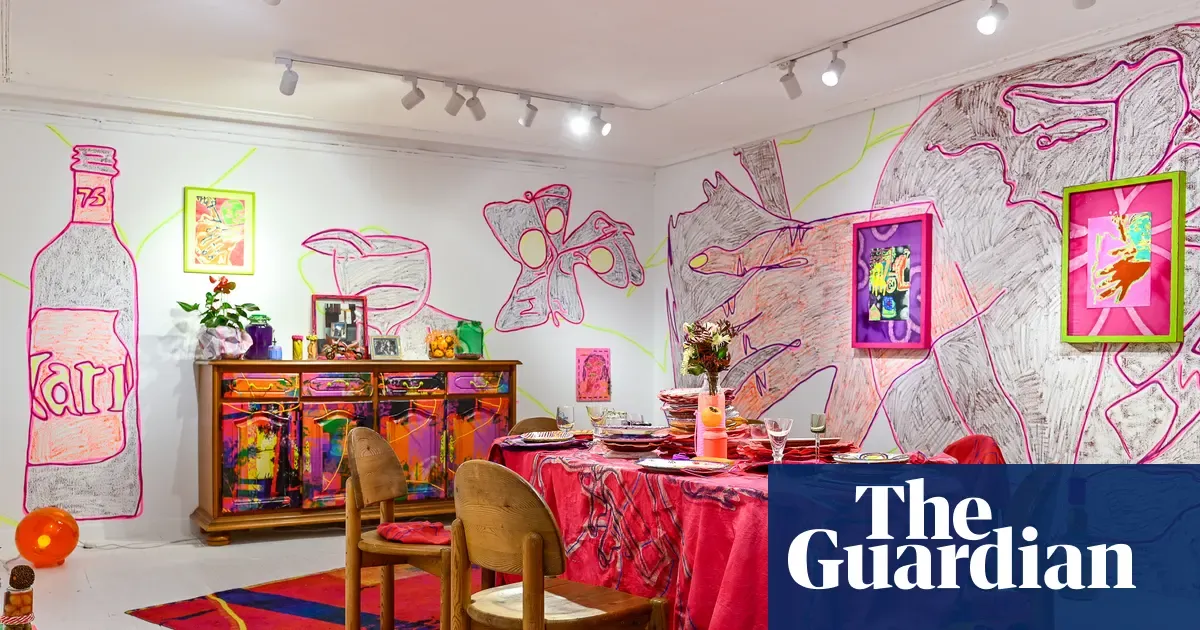
‘If the lion does not tell its story, the hunter will’: a century of thrilling Cameroonian art
One Sunday last year, the Cameroonian-Guadeloupean-French artist Roxane Mbanga was relaxing in bed when she received a message that made her sit up. It was about working on an art history project. Growing up in Paris, she had been a regular at Maasai Mara, the now defunct restaurant owned by her father, where Africans in the diaspora, including the artists whom he helped organise exhibitions, convened to eat and chat. Thus the concept of a book, attempting for the first time to comprehensively compile and document key players in Cameroon’s vast visual art history, made obvious sense to her. “It’s a magical reconnaissance, being recognised by my peers and being in the same book as people I look up to,” says the 30-year-old artist. “This idea of creating spaces, as with the book, is incredibly important because it allows us to build from there and leave traces for people that will come after. I really lacked that growing up … spaces like books, podcasts or whatever, where I could really see people that resemble me, that do things similar to me.”The first African woman to curate the Venice Biennale … Koyo Kouoh.
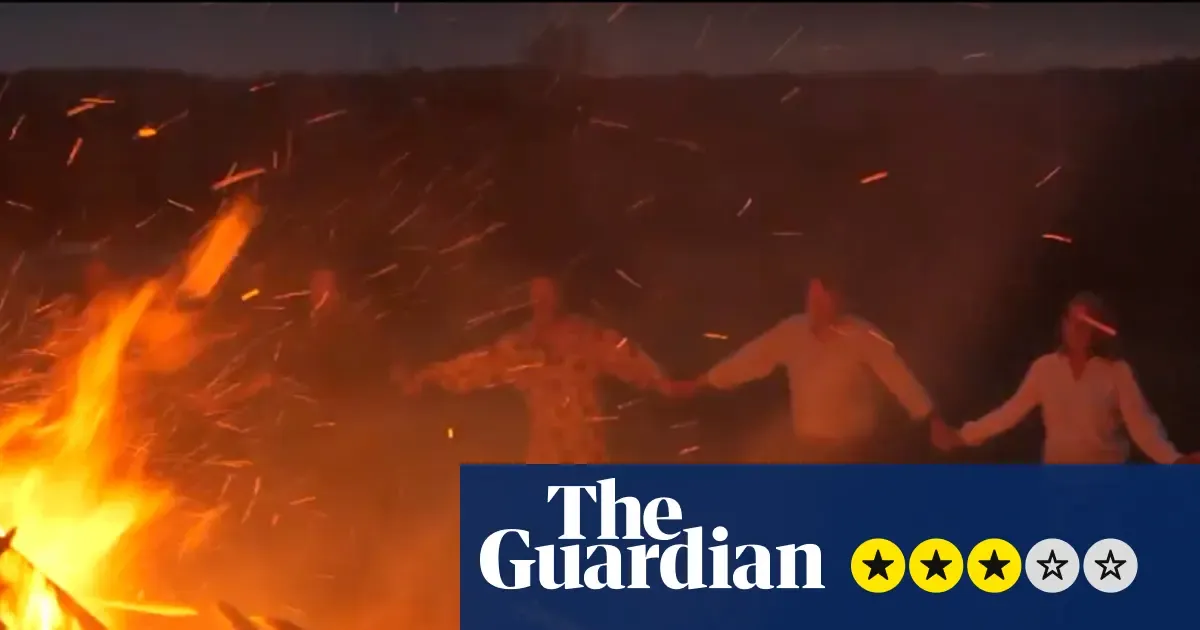
Children of the Wicker Man review – how the folk-horror classic haunted the family that made it
This documentary is a collaboration between Justin Hardy and Dominic Hardy, two of film director Robin Hardy’s children (he had seven in all, and was married five times), and it delves into the legacy of both their father and his most enduring work, 1973 folk-horror classic The Wicker Man. The latter still stands today, for all its imperfections and peculiarities, as one of the most unsettling and paradoxically influential British films of all time, despite being a box-office flop on its initial release. This latest work is partly an account of The Wicker Man’s troubled production – a story that’s been told in books and journalism a fair few times already – and its strange reemergence as a cult movie-cum-fetish object, and partly a therapeutic exercise for the brothers themselves, full of raw feeling that’s sometimes painful to watch. However, while the brothers’ willingness to share their pain remains admirable, their film feels hampered by omissions and silences.
0 comments
No comments yet. Be the first to share your thoughts!