Are orange cats really the goofiest cats? Genetics may have an answer. - National Geographic
This story deserves to be shared
Send it to someone who'd care, or post it on your networks.
This article is an excerpt. To read the full content, visit the original source. National Geographic
Related articles
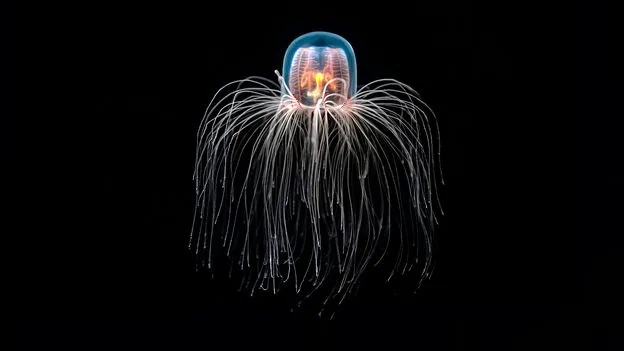
The immortal jellyfish can beat ageing and death. Its genetics could help human cells rejuvenate - BBC
)The immortal jellyfish is capable of winding back its lifecycle to become young again. Scientists are unlocking its cellular secrets to find ways human cells could rejuvenate too. The tiny translucent jellyfish Turritopsis dohrnii is surprisingly hard to kill. The marine biologist Maria Miglietta of Texas A&M University at Galveston has cut them, boiled them, starved them, overloaded their tanks with salt or plopped them in fresh water – but the nifty creatures seem to cheat death every time. Under duress, they stop in their tracks and fall to the bottom of their tank. Then something astonishing happens: the animals transform into balls of cells that bear no resemblance to the tentacled umbrella shape of adult jellyfish, known as the medusa. Within one to three days, a structure called a polyp – an early jellyfish life stage – buds off from this ball of cells and then grows into a colony, which will eventually sprout new medusae. "From one jellyfish that doesn't die, then you get this colony that can form hundreds more," Miglietta says.

Early-career-researcher-led best practices for social science and behavioural genetics - Nature
volume 10, pages 1014–1018 (2026) Cite this article An emerging market promotes embryo selection for behavioural traits including IQ, but the response of the social and behavioural genetic research community remains muted. We call for unified best practices, updated training and participatory ethics so that the field can strengthen accountability for its present-day impact and prevent future harms.
0 comments
No comments yet. Be the first to share your thoughts!