Apollo rocks reveal the Moon had brief bursts of super-strong magnetism - Science Daily
This story deserves to be shared
Send it to someone who'd care, or post it on your networks.
This article is an excerpt. To read the full content, visit the original source. Science Daily
Related articles

Scientists Say Your Organs Don’t Grow Old Slowly—They Age in Two Sudden Bursts. Here’s When. - Popular Mechanics
Here’s what you’ll learn when you read this story:The human body doesn’t age steadily—instead, organs largely experience two phases of rapid aging, also known as biphasic aging. A new study found that while some tissues, such as vascular, uterine, or vaginal tissue, don’t follow this two-phased aging, most do. Scientists reached this conclusion by developing a deep-learning model called Pathology-based Structural Aging Rate (PathStAR) to extract underlying tissue structure from 25,000 organ images in a public database and then plot molecular changes over time. Time is an incredibly complex concept that we tend to define in simple terms. Time marches inexorably forward—second by second, day by day, decade by decade—but if you plug Albert Einstein’s Special Theory of Relativity into this conceptualization, things suddenly aren’t so simple. In some ways, the same can be said for aging. Every year we add more candles to the birthday cake, but like time, this steady progression of aging is just a conception, not physical reality.
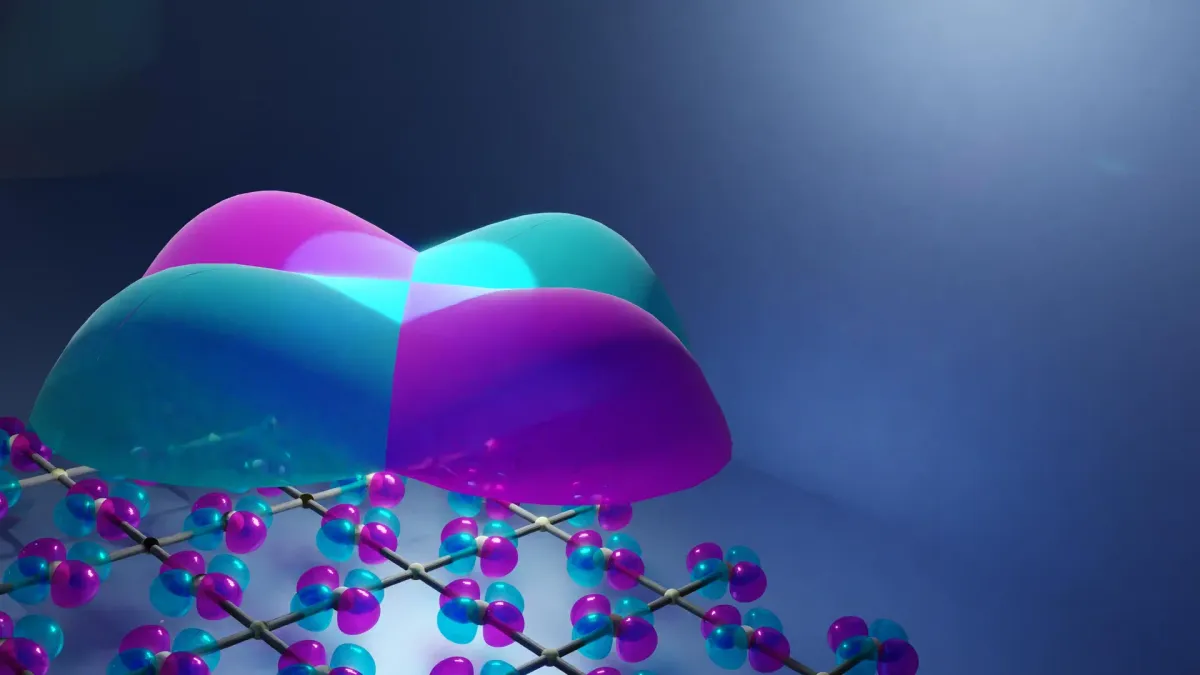
Scientists who discovered a third form of magnetism win major physics prize - Science Daily
Scientists have uncovered a previously unknown form of magnetism, overturning an understanding of magnetic behavior that had stood for more than a century. The discovery, known as altermagnetism, has revealed a third fundamental category of collinear magnetism and opened new possibilities for quantum materials, advanced electronics, and future computing technologies. Three physicists responsible for the breakthrough have been named recipients of the 2026 Europhysics Prize, one of Europe's most prestigious honors in condensed matter physics. The European Physical Society (EPS) Condensed Matter Division selected Professor Jairo Sinova of Johannes Gutenberg University Mainz (JGU), Dr. Libor Šmejkal, and Professor Tomas Jungwirth for their work establishing altermagnetism as a distinct form of magnetic order alongside ferromagnetism and antiferromagnetism.
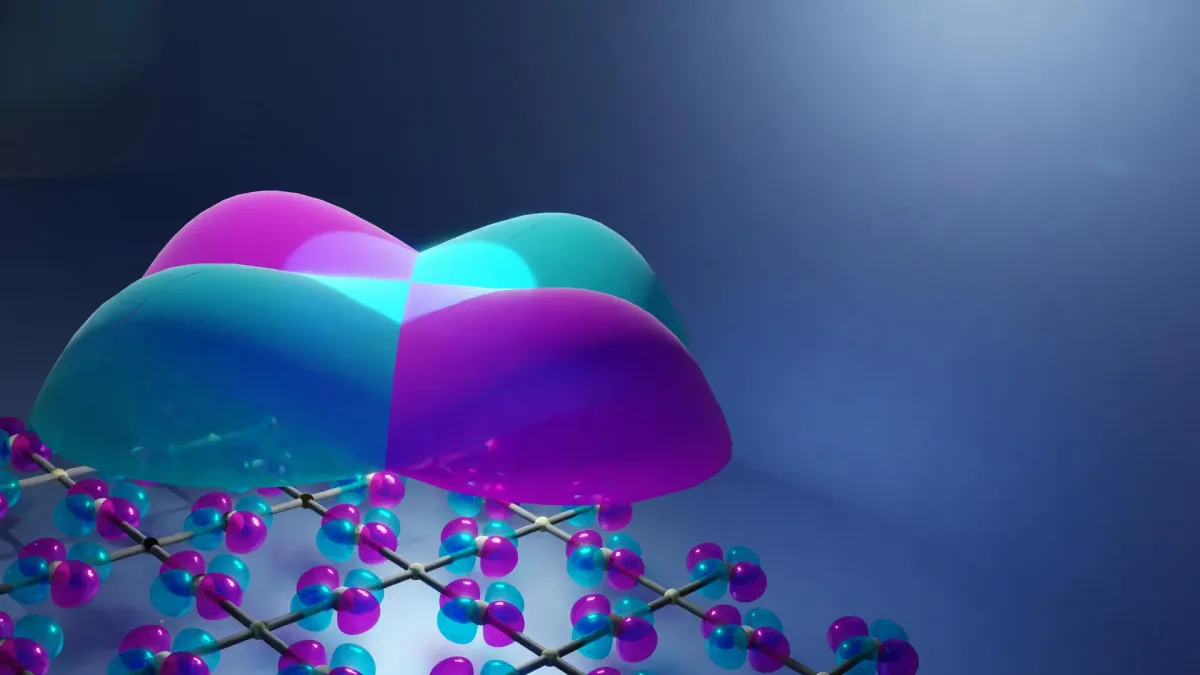
Scientists who discovered a third form of magnetism win major physics prize - Science Daily
Scientists have uncovered a previously unknown form of magnetism, overturning an understanding of magnetic behavior that had stood for more than a century. The discovery, known as altermagnetism, has revealed a third fundamental category of collinear magnetism and opened new possibilities for quantum materials, advanced electronics, and future computing technologies. Three physicists responsible for the breakthrough have been named recipients of the 2026 Europhysics Prize, one of Europe's most prestigious honors in condensed matter physics. The European Physical Society (EPS) Condensed Matter Division selected Professor Jairo Sinova of Johannes Gutenberg University Mainz (JGU), Dr. Libor Šmejkal, and Professor Tomas Jungwirth for their work establishing altermagnetism as a distinct form of magnetic order alongside ferromagnetism and antiferromagnetism.
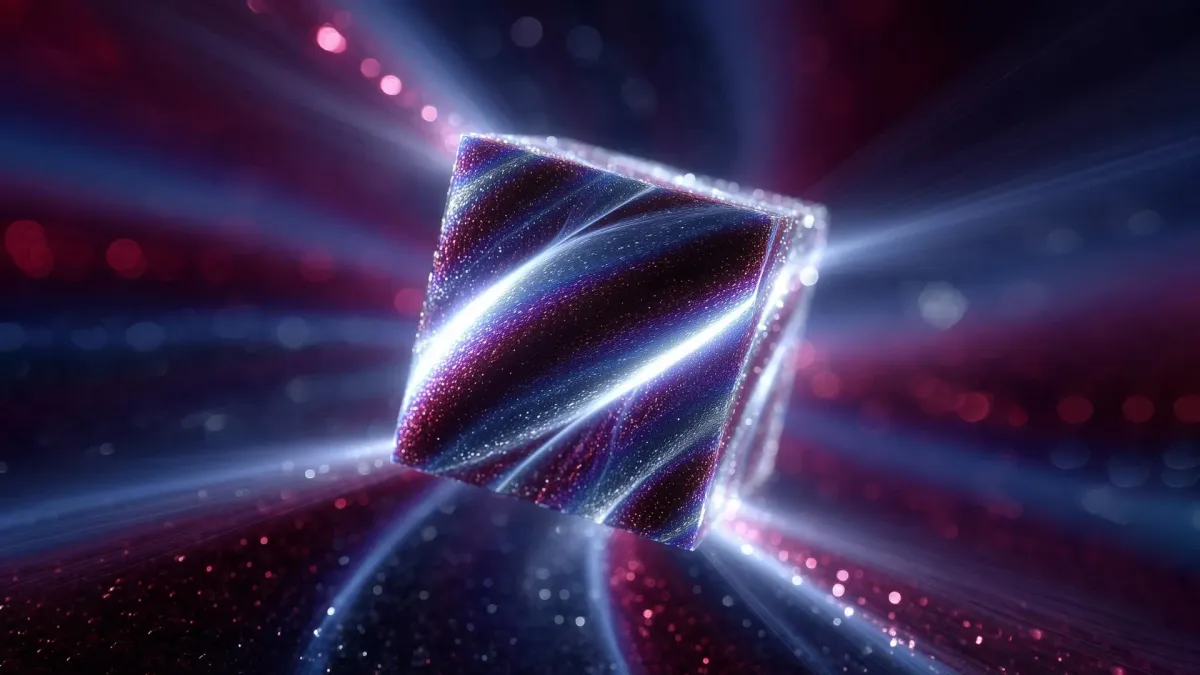
A new kind of magnetism could unlock faster, more efficient computers - Science Daily
The computers of the future may rely on more than the electrical charge carried by electrons. Researchers are increasingly interested in another fundamental electron property called spin, which could provide a new way to move and process information inside electronic devices. Conventional computers use the movement of electrical charge to handle data. If scientists can reliably control electron spin as well, they may be able to develop entirely new approaches to computing that operate faster and consume less energy.
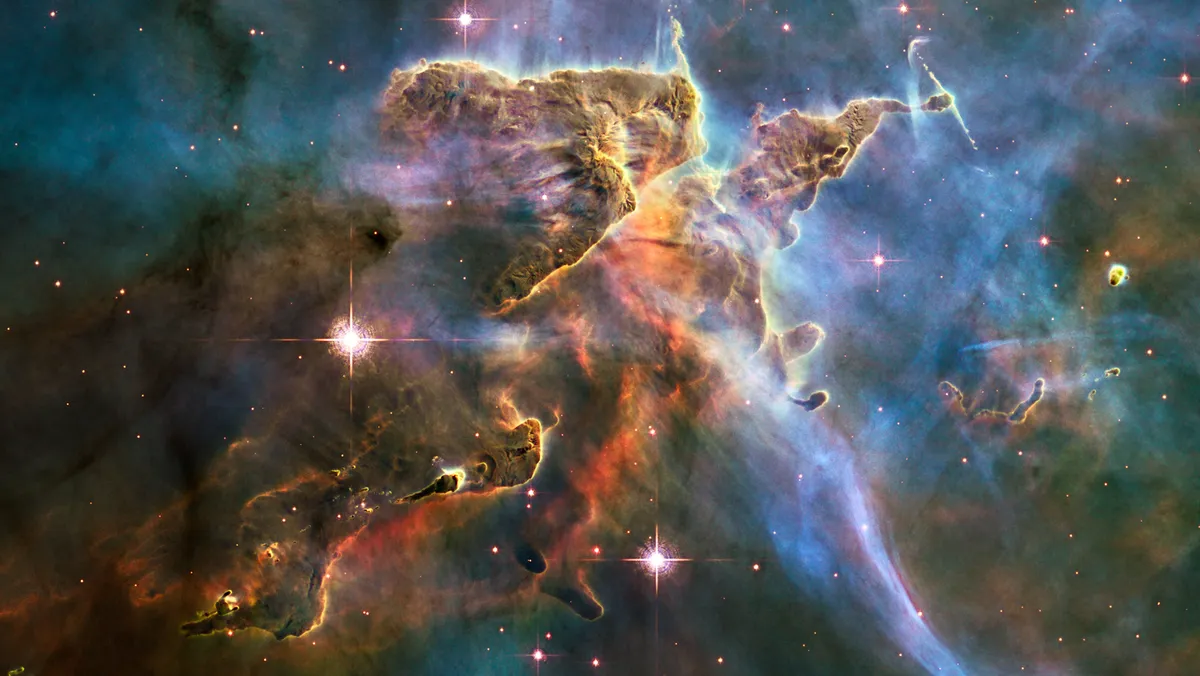
Magnetism may have helped kick-start our solar system - Science News
Meteorites hold a record of the forces at work 4.5 billion years ago before the sun formed Clouds of gas and dust, like the one in this Hubble Space Telescope image, are the birthplaces of planetary systems. Magnetism and gravity, together, play a role in their formation, new research suggests.
0 comments
No comments yet. Be the first to share your thoughts!