Ancient flowering plants may have used dinosaurs to spread their seeds - Science News
This story deserves to be shared
Send it to someone who'd care, or post it on your networks.
This article is an excerpt. To read the full content, visit the original source. Science News
Related articles
Zhejiang Soybean Genomes Reveal Clues to Flowering and Stress Responses | Newswise - Newswise
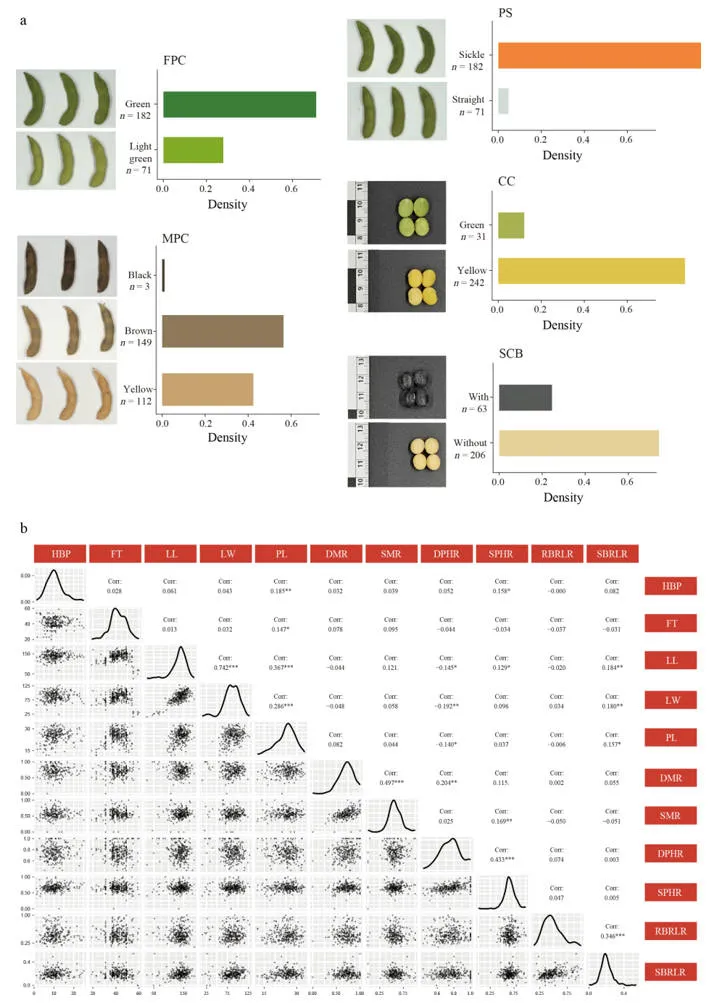
Newswise — Soybean is a major source of edible oil, plant protein, and animal feed, while vegetable soybean is harvested before full maturity for direct consumption. Previous genetic studies have mapped thousands of regions associated with soybean traits, providing tools for improving productivity and quality. However, much of this work has focused on improved cultivars or broad collections, leaving locally adapted landraces less thoroughly characterized. Zhejiang has a long history of soybean cultivation and rich resources for high-protein and vegetable soybeans, but the genetic basis of their distinctive characteristics remains incompletely understood. Identifying useful variation in these resources could help breeders retain regional adaptation while improving commercially important traits. A study (DOI: 10.48130/seedbio-0026-0018) published in Seed Biology on 27 August 2026 by Na Liu's team, Zhejiang Academy of Agricultural Sciences, identifies extensive regional genetic diversity and candidate genes associated with flowering time, growth under salt stress, and seed characteristics.

Ancient warmth helped flowering plants dominate Earth, study finds - CGTN
Plants with white, cotton-like tufts grow on a rocky hillside. /VCG Plants with white, cotton-like tufts grow on a rocky hillside. /VCG
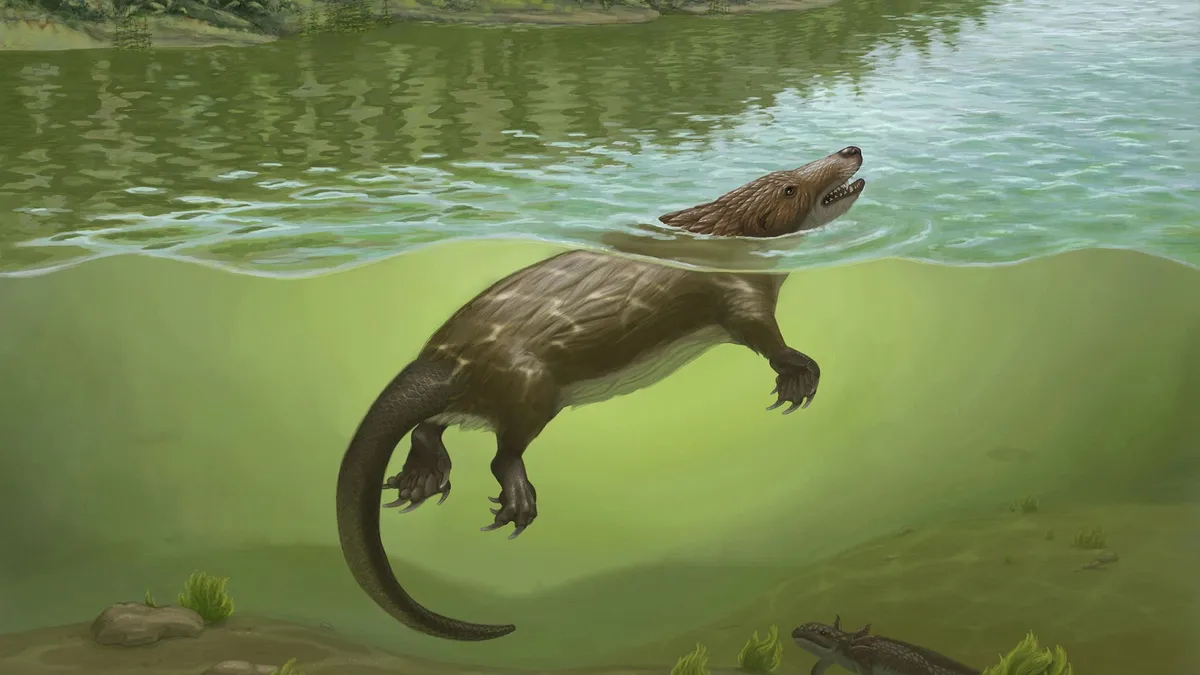
'It looks like a chimera' — 168 million years ago, a strange platypus-like mammal relative lived in China alongside dinosaurs - Live Science
A predatory mammal-like animal from the Jurassic seems to have characteristics of both a platypus and an otter.

Scientists find evidence for several Earth axis shifts during the age of dinosaurs - The Brighter Side of News
A new study finds evidence that Earth may have undergone several episodes of rapid true polar wander during the past 320 million years, with the strongest signals in the Jurassic and Cretaceous. Instead of relying primarily on ancient magnetic fields, researchers tracked patterns of continental flooding and retreat caused when the solid Earth shifted relative to its spin axis. The results support rapid events between about 150 and 140 million years ago and 100 and 90 million years ago, while challenging the idea that true polar wander has always been negligible or persistently slow. Earth’s geographic poles can appear permanent on human time scales, but the planet’s solid exterior has not always remained fixed relative to its rotation axis. A new study suggests that the crust and mantle underwent several episodes of relatively rapid reorientation during the past 320 million years. Instead of relying mainly on magnetic signatures preserved in rocks, researchers found evidence in an unexpected archive: ancient changes in where oceans flooded the continents.
The biggest dinosaurs couldn't sit on their eggs. Scientists say they did this instead - CBC
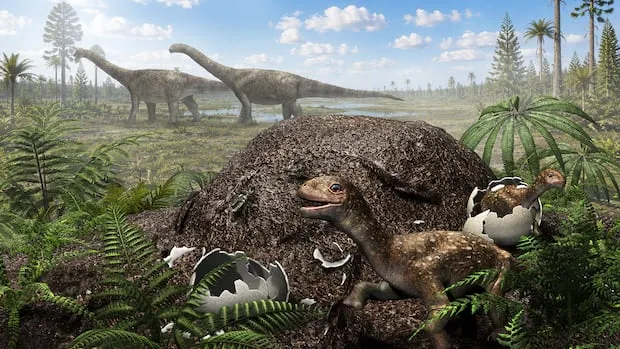
ScienceFossil eggshells believed to be from some of the biggest dinosaurs that ever lived have been found in a surprisingly cool climate far from the equator. But those titanosaurs were too big to sit on their eggs. Microscopic evidence shows what they did instead to keep the eggs warm enough to hatch. Microscopic evidence reveals crocodile strategy kept their eggs warmEmily Chung · CBC News · Posted: Sep 09, 2026 9:37 AM EDT | Last Updated: September 9Listen to this articleEstimated 5 minutesThe audio version of this article is generated by AI-based technology. Mispronunciations can occur. We are working with our partners to continually review and improve the results. Artist's reconstruction of a titanosaur nest. (Masato Hattori)Fossil eggshells believed to be from some of the biggest dinosaurs that ever lived have been found in a surprisingly cool climate far from the equator. But those massive titanosaurs couldn't keep their volleyball-sized eggs warm by sitting on them. "They're too big," said University of Calgary paleontologist Darla Zelenitsky, who has been studying the problem. "The nest would be one big omelette.
0 comments
No comments yet. Be the first to share your thoughts!