Acute Intrathyroidal Hematoma in a Multinodular Thyroid Presenting With Sudden Neck Swelling and Tracheal Deviation: A Case Report - Cureus
This story deserves to be shared
Send it to someone who'd care, or post it on your networks.
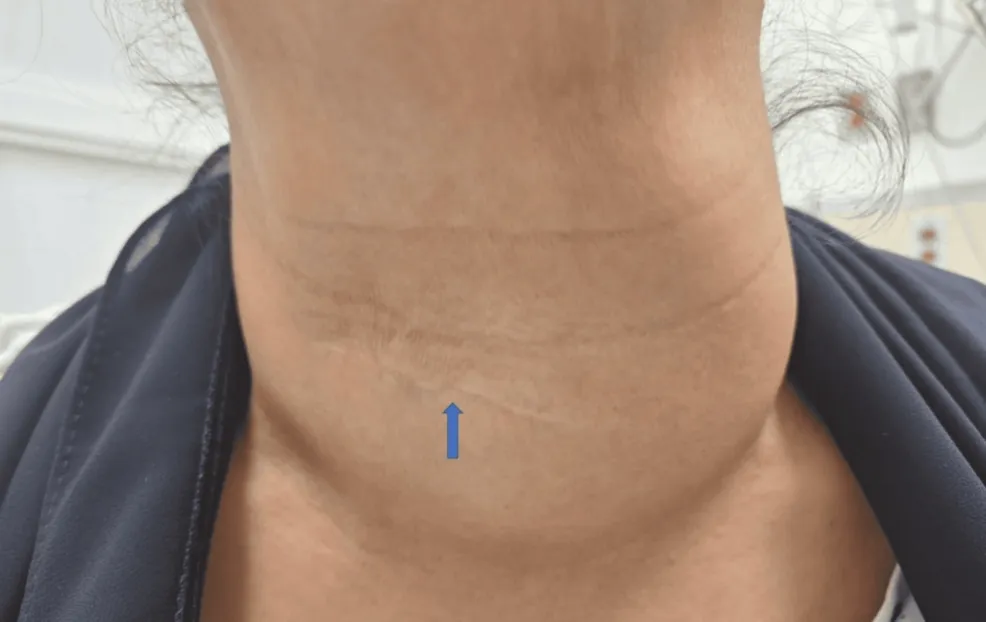
Acute hemorrhage within the thyroid gland is uncommon but can cause rapid neck swelling and, in severe cases, airway compromise. We report a 65-year-old woman with hypertension and a history of partial thyroidectomy performed more than 25 years earlier who presented with painful neck swelling that developed overnight. The swelling was associated with pain on swallowing, without shortness of breath, voice change, drooling, fever, or recent neck trauma. She was hemodynamically stable with an oxygen saturation of 99% on room air. Examination showed marked neck swelling, thyromegaly, thyroid tenderness, and left-sided neck induration. Contrast-enhanced computed tomography (CT) demonstrated a multinodular thyroid with a large heterogeneous mass in the left thyroid lobe causing mass effect and rightward tracheal deviation. Subsequent ultrasonography demonstrated a heterogeneous intrathyroidal collection consistent with hematoma. The patient remained clinically stable and was discharged after approximately five hours of observation. At otolaryngology follow-up 10 days later, repeat ultrasonography showed a progressively enlarging left thyroid nodule, and fine-needle aspiration cytology wa
This article is an excerpt. To read the full content, visit the original source. Cureus
Related articles
Congenital Cervical Vertebral Segmentation Failure Presenting as Refractory Torticollis in Infancy: A Case of Klippel-Feil Syndrome - Cureus
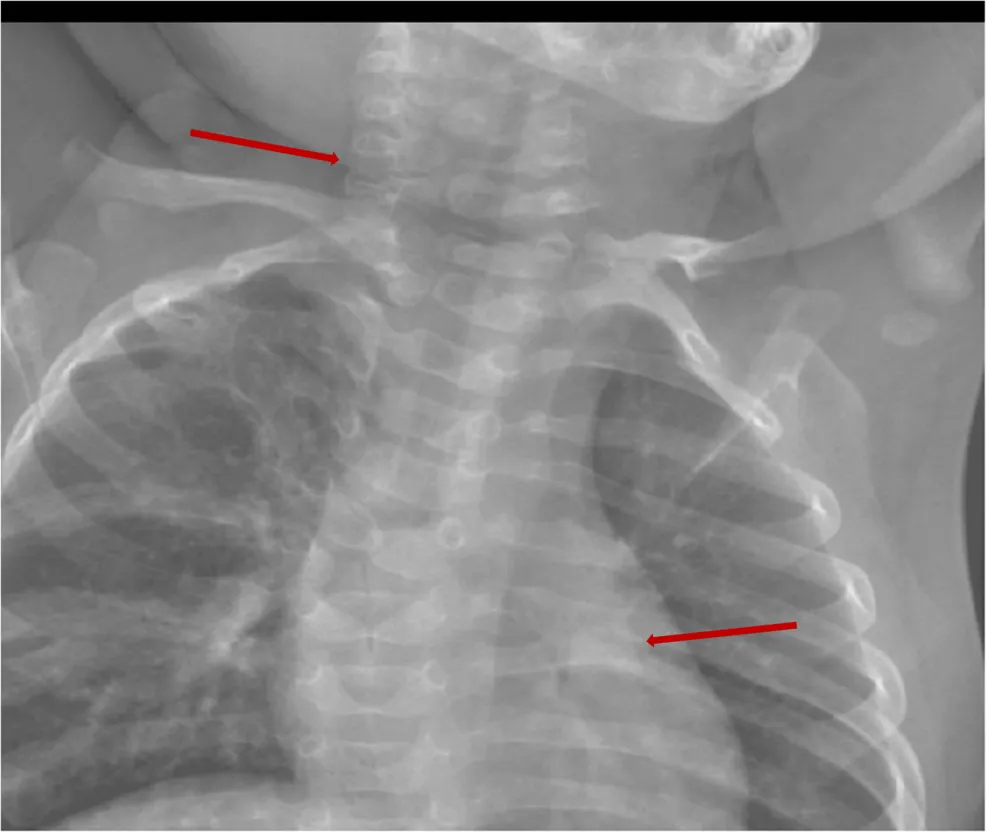
We present a case of a six-month-old female with a five-month history of right-sided torticollis that showed little improvement despite physical therapy. She presented to the emergency department due to parental concern for pneumonia, with congestion and cough without respiratory distress. Physical examination demonstrated leftward rotation and right lateral flexion of the head and cervical spine, consistent with the previously diagnosed right-sided torticollis. Chest radiographs were obtained in the workup for pneumonia and incidentally revealed segmentation anomalies of the cervical and upper thoracic spine as well as multiple bilateral bifid and fused ribs, more pronounced on the right. The radiographic findings were interpreted as highly suggestive of Klippel-Feil syndrome (KFS). In the setting of refractory torticollis and characteristic congenital vertebral abnormalities, the diagnosis of KFS was made. No acute complication requiring immediate intervention was documented. Referral to appropriate specialists was recommended for further evaluation and longitudinal management. This case highlights the importance of maintaining a broad differential diagnosis when evaluating refra

Clinical Outcomes According to Revascularization Strategy in Patients With Late-Presenting ST-Segment Elevation Myocardial Infarction: A Retrospective Cohort Study - Cureus
Background: Timely reperfusion remains the cornerstone of management in ST-segment elevation myocardial infarction (STEMI). However, a substantial proportion of patients continue to present beyond the recommended reperfusion window, particularly in low- and middle-income countries. The outcomes associated with delayed coronary revascularization in these late presenters remain incompletely defined. This retrospective observational study aimed to compare one-year mortality and left ventricular ejection fraction (LVEF) changes according to treatment strategy among STEMI patients presenting more than 12 hours after symptom onset. Methods: We conducted a retrospective observational cohort study including consecutive patients admitted with STEMI more than 12 hours after symptom onset between January 2020 and December 2025 at Mohammed VI University Hospital, Marrakech, Morocco. Patients were stratified according to treatment strategy into delayed percutaneous coronary intervention (PCI), conservative medical management, and coronary artery bypass grafting (CABG). The primary endpoint was one-year all-cause mortality, and the secondary outcome was change in LVEF. Mortality comparisons were
AI platform allows real-time conversation between patients and their medical devices - Medical Xpress
A new AI-driven platform could allow people to interact with their medical devices by sending messages using a smartphone application and receiving feedback in real time. Participants in a proof-of-concept study undergoing monitoring for seizures could ask questions about their brain activity, receive personalized alerts, report symptoms and behaviors and help train the system to better recognize seizure-related patterns.
Blocking the Sympathetic Storm: Adjunctive Left Stellate Ganglion Block for Refractory Ventricular Tachycardia After Inferolateral Myocardial Infarction - Cureus
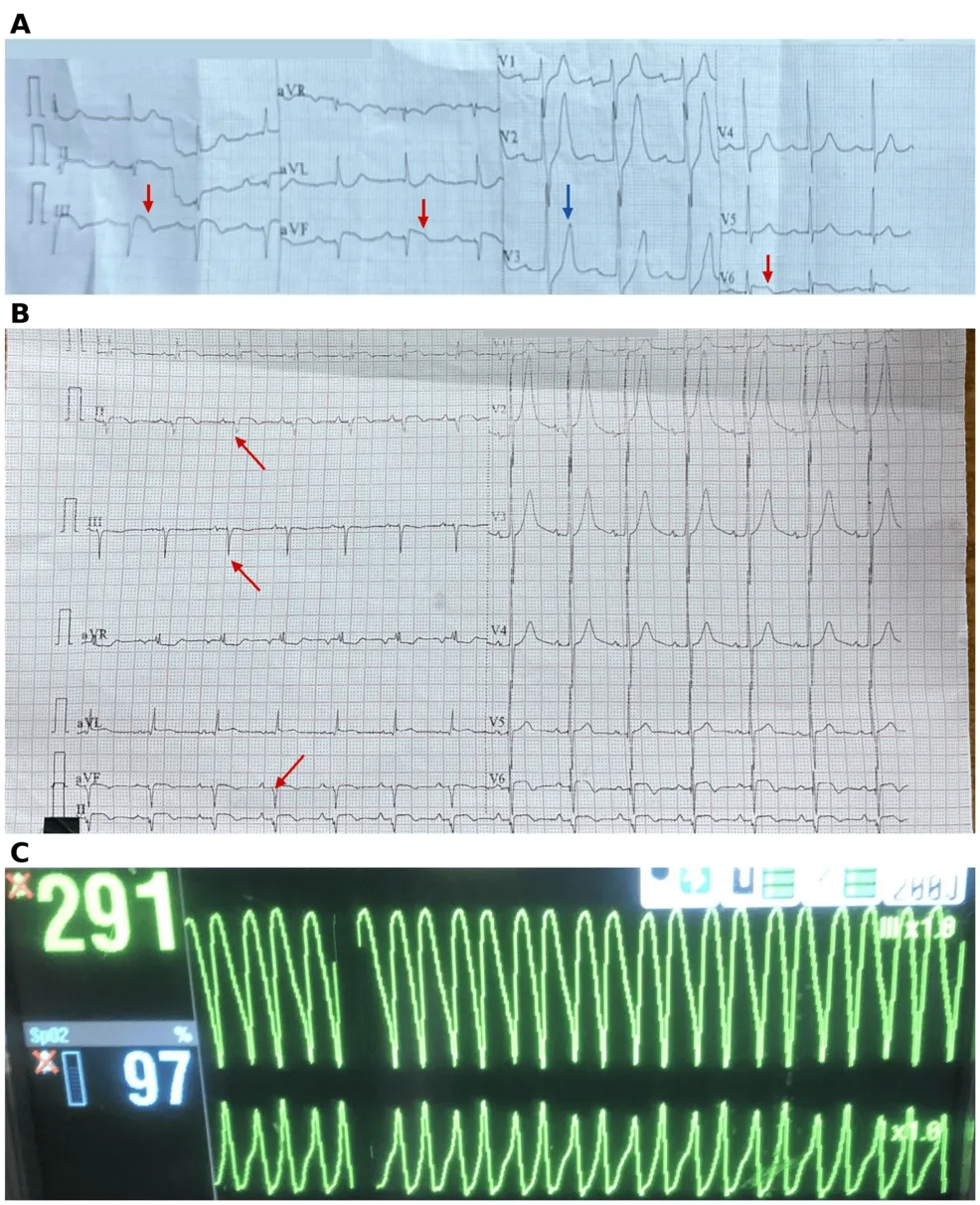
Electrical storm following myocardial infarction (MI) can be difficult to control when antiarrhythmic drugs and cardioversion fail. We describe a 53-year-old man with hypertension and previously undiagnosed diabetes who presented with an inferolateral ST-segment elevation MI caused by total occlusion of the proximal left circumflex artery, which was treated with primary percutaneous coronary intervention and drug-eluting stent placement. He then developed marked leukocytosis with a systemic inflammatory response and acute kidney injury (peak creatinine, 4.03 mg/dL), which resolved with empirical antibiotic therapy and supportive renal care. On day 6, he experienced recurrent syncope associated with sustained monomorphic ventricular tachycardia (VT) that persisted despite intravenous amiodarone and lidocaine, electrolyte correction, and repeated cardioversion, necessitating sedation and mechanical ventilation. Repeat coronary angiography demonstrated a patent stent. VT ceased following an ultrasound-guided left stellate ganglion block (SGB) using 1% lidocaine and dexamethasone, which resulted in Horner syndrome. Antiarrhythmic therapy was continued, and the patient was extubated wit
Lipoid Congenital Adrenal Hyperplasia Due to Steroidogenic Acute Regulatory Protein (StAR) Deficiency in a 46,XY Child With a Female Phenotype: A Case Report - Cureus
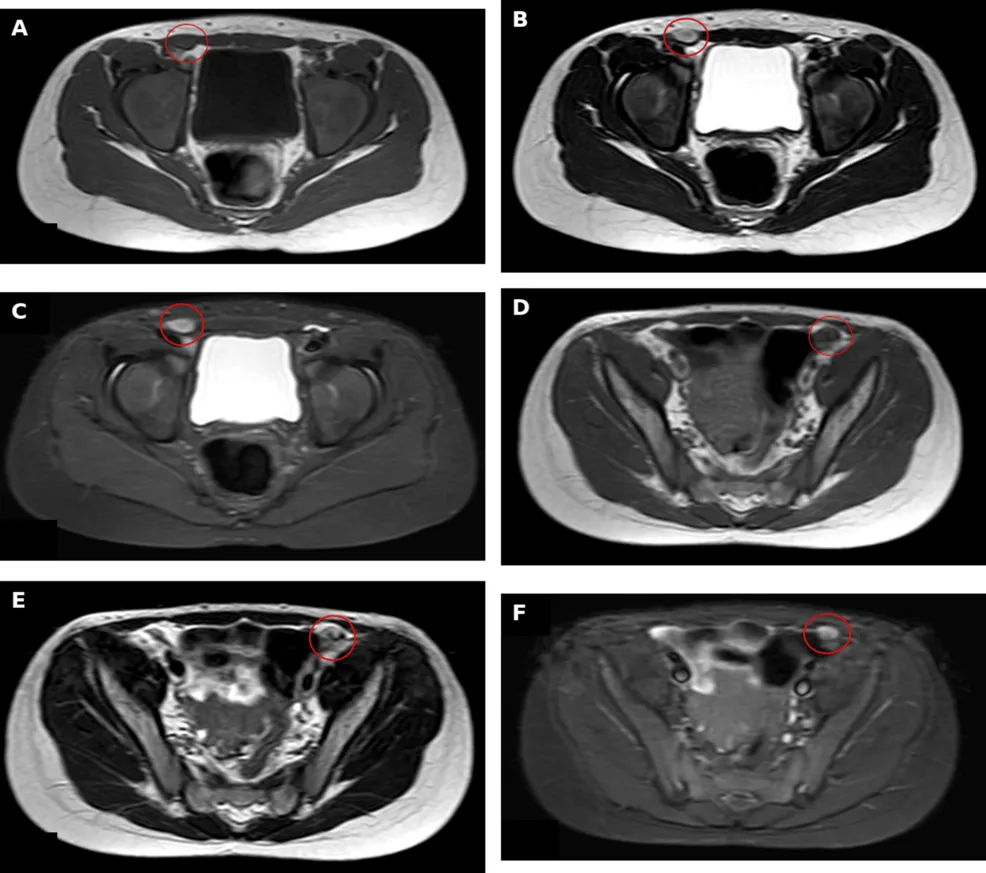
Primary adrenal insufficiency in childhood is frequently associated with inherited disorders. Lipoid congenital adrenal hyperplasia due to steroidogenic acute regulatory protein (StAR) deficiency is a rare disorder characterized by impaired mitochondrial cholesterol transfer and deficient adrenal and gonadal steroidogenesis. We report a five-year-old child raised as a girl who had been diagnosed with primary adrenal insufficiency at three months of age and was receiving hydrocortisone and fludrocortisone. Physical examination showed female-appearing external genitalia without virilization and Tanner stage I development. Biochemical evaluation demonstrated markedly elevated adrenocorticotropic hormone with profoundly low morning cortisol and globally reduced steroidogenesis, including low 17-hydroxyprogesterone, androstenedione, dehydroepiandrosterone sulfate, and free testosterone. Karyotyping revealed 46,XY. Anti-Müllerian hormone and inhibin B concentrations were compatible with preserved Sertoli cell secretory activity and supported the presence of testicular tissue despite severely impaired androgen production. A contrast-enhanced abdominal and pelvic magnetic resonance imaging
Postoperative Encrusted Cystitis After Robot-Assisted Simple Prostatectomy: A Case Report - Cureus
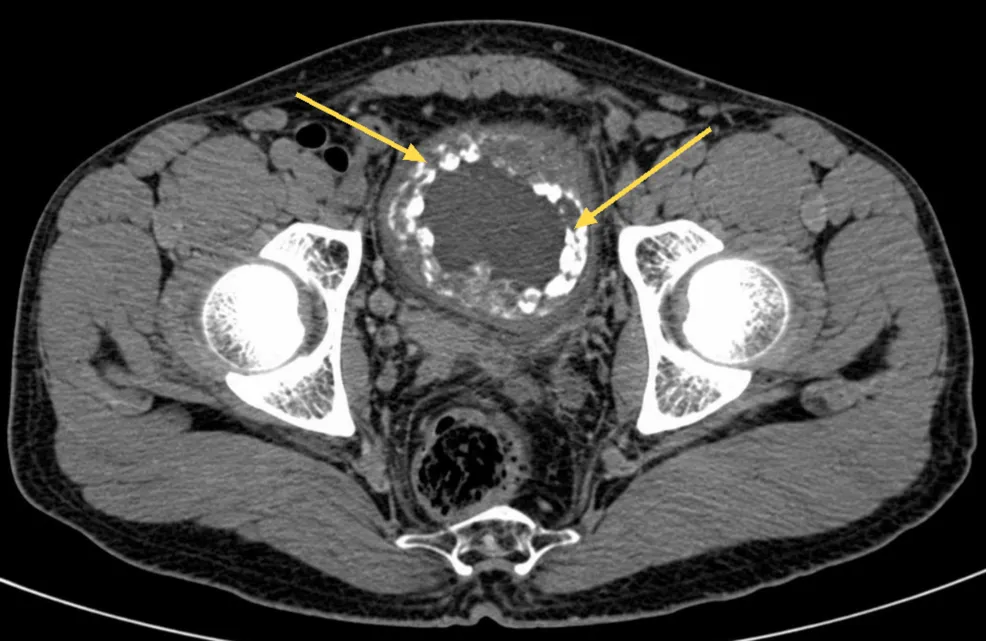
Encrusted cystitis is an uncommon disorder characterized by adherent mineral deposits on inflamed bladder mucosa. We report a 73-year-old man with persistent dysuria, hematuria, urinary frequency, weak stream, and fluctuating pyuria after robot-assisted simple prostatectomy. Day 1 denotes the first diagnostic cystoscopy. Cystoscopy showed extensive encrustation involving the prostatic surgical bed, bladder neck, and nearly all bladder walls; computed tomography demonstrated mural calcification and bladder-wall thickening. Urine pH reached 8.80 on day 15. Transurethral resection and debridement on day 16 removed more than 15 cm² of visibly involved mucosa. Histopathology showed inflammation and calcium deposition, and analysis of the removed encrustations identified calcium phosphate (apatite). A bladder aspirate grew Enterococcus faecalis at 100,000 colony-forming units/mL. Corynebacterium urealyticum was not isolated after 72-hour incubation on standard media or detected in the removed deposits; targeted molecular testing was unavailable. The cause of the encrustation therefore remained unconfirmed, with both an infectious mechanism and postoperative dystrophic calcification consi
0 comments
No comments yet. Be the first to share your thoughts!