Active Exsanguination Behind a Urinary Tract Infection (UTI) Diagnostic Label: A Quadruple-Hit Cardiorenal Collapse Following Ambulatory Urological Care - Cureus
This story deserves to be shared
Send it to someone who'd care, or post it on your networks.
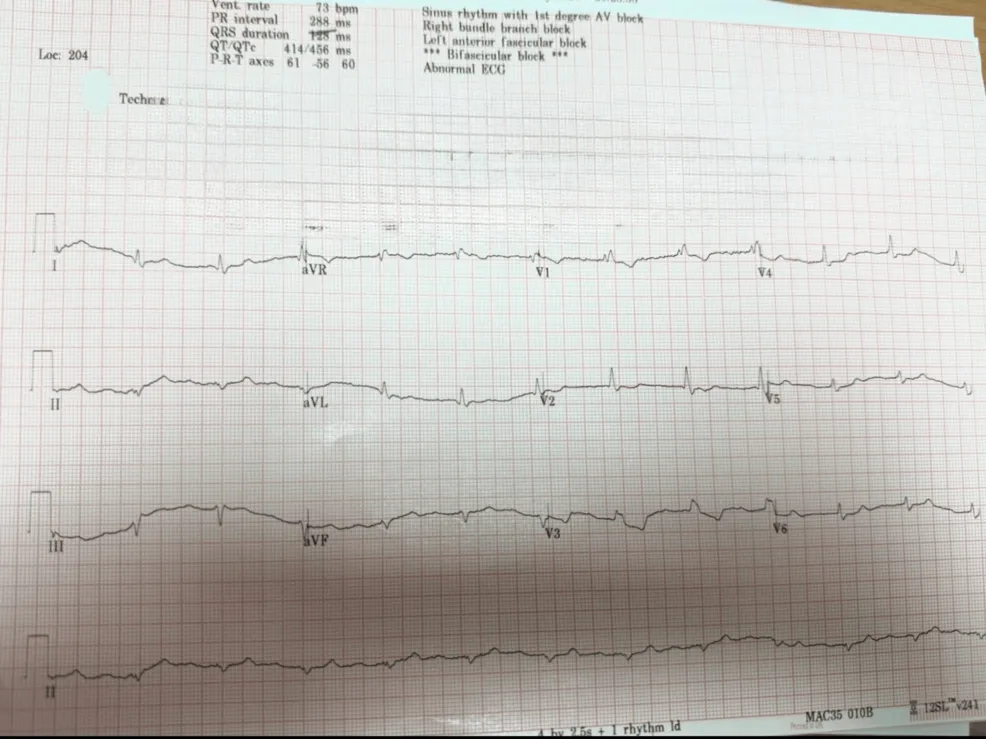
We report the case of a 95-year-old man with a previous history of myocardial infarction, pulmonary oedema, and hypertension who developed recurrent collapse while undergoing ambulatory urological follow-up for a six-week history of macroscopic haematuria. Following a recent outpatient review, he had received oral antibiotics for a presumed urinary tract infection (UTI). Throughout this six-week ambulatory period, no full blood count or other blood tests were performed, leaving the extent of blood loss and its haematological consequences clinically occult. The patient subsequently experienced three episodes of sudden collapse within one week at home. The episodes were preceded by a prodrome of marked weakness. On assessment by ambulance clinicians, a profound postural blood-pressure drop was identified. Given the postural component and presumed recent urinary infection, dehydration was considered the initial explanation, and intravenous fluid resuscitation was commenced. However, hospital point-of-care investigations substantially changed the diagnostic picture. Venous blood gas analysis demonstrated a haemoglobin concentration consistent with profound anaemia. ECG demonstrated a r
This article is an excerpt. To read the full content, visit the original source. Cureus
Related articles

Profile of Urological Emergency Admissions at a University Hospital in Morocco: A Retrospective Study Over 18 Months - Cureus
Introduction: Urological emergencies represent a substantial component of hospital activity but remain poorly documented in Morocco. The aim of this study was to describe the epidemiological, clinical, and therapeutic profile of urological emergencies requiring hospitalization at a university hospital in Morocco, in order to establish a reliable reference database. Methods: We conducted a retrospective descriptive study between January 2024 and June 2025 including all patients admitted for urological emergencies requiring hospitalization. Data were extracted from the hospital information system (HIS). Demographic characteristics, reasons for admission, complementary examinations, final diagnoses, treatments, and lengths of stay were analyzed. Results: Among 2,106 hospitalizations, 339 were related to a urological emergency (16.09%). The population was predominantly male (79.6%; male-to-female ratio 3.9:1), with a mean age of 58.2 years and a peak incidence between 65 and 69 years. The most frequent emergencies were complicated renal colic (42.18%; 143 cases), macroscopic hematuria (17.40%; 59 cases), and acute scrotum (16.22%; 55 cases). Infectious emergencies accounted for 46% of

A Nurse-Led Clinic to Optimise Ambulatory Oxygen Therapy - EMJ
Jiménez-Gómez has received support for attending meetings and/or travel from Oximesa Nippon Sanso. The other authors have declared no conflicts of interest. Each article is made available under the terms of the Creative Commons Attribution-Non Commercial 4.0 License.
0 comments
No comments yet. Be the first to share your thoughts!