A Transition of Seasons: Sleep Patterns and Changes in Perimenopause | Study Updates - Harvard T.H. Chan School of Public Health
This story deserves to be shared
Send it to someone who'd care, or post it on your networks.
This article is an excerpt. To read the full content, visit the original source. Harvard T.H. Chan School of Public Health
Related articles

Eating More Protein During Perimenopause? Dietitians Say Don’t Forget This, Too - Good Housekeeping
Protein-maxxing and fiber-maxxing are two nutrition trends that have taken over many of our social media feeds, with advocates on each side making a compelling case for why their pick deserves the top spot on your plate. And the debate isn't just background noise: it's prompting a lot of people to actually rethink what they're eating and why. Beyond the trending hashtags, the protein-versus-fiber question takes on a more personal dimension for those navigating perimenopause, a transition that can quietly shift how the body responds to food. Energy levels, digestion, and appetite may all feel a little different than they used to, and the right balance on your plate can help. If you're navigating perimenopause and wondering whether to go all-in on protein, fiber, or some combination of both, you're asking exactly the right question. Here's what the science actually has to say. Jump to:What happens during perimenopauseHow fiber supports you in midlifeHow protein supports you in midlifeSo do you have to choose? The bottom lineWhat happens during perimenopausePerimenopause is the transition leading up to menopause, and it can last anywhere from a few years to a decade.
Wondering if you could be in perimenopause? - Australian Government Department of Health, Disability and Ageing
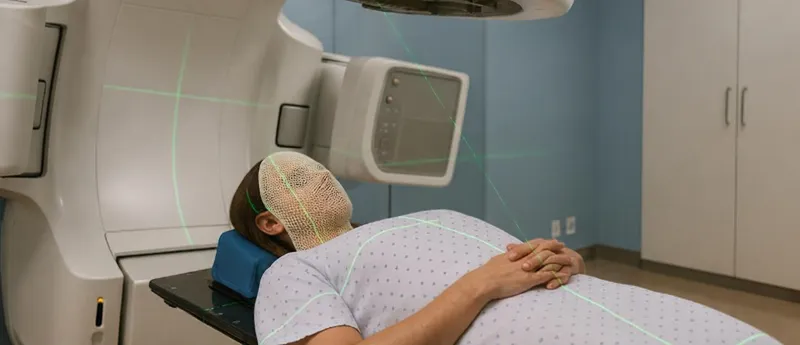
Navigating oligometastatic breast cancer: the role of stereotactic radiotherapy - Oncology Central
In this interview, Imogen Locke (The Royal Marsden NHS Foundation Trust, UK) discusses the evolving role of stereotactic ablative radiotherapy (SABR) in oligometastatic and oligoprogressive breast cancer. Locke explains the distinction between these two clinical scenarios, how timing and patient selection influence treatment decisions, and emerging evidence around metastasis-directed radiotherapy for ER-positive, HER2-negative patients on CDK4/6 inhibitors. Additionally, Locke walks us through a patient case study and highlights key radiotherapy trials seeking to answer the most pressing questions in breast cancer radiotherapy.
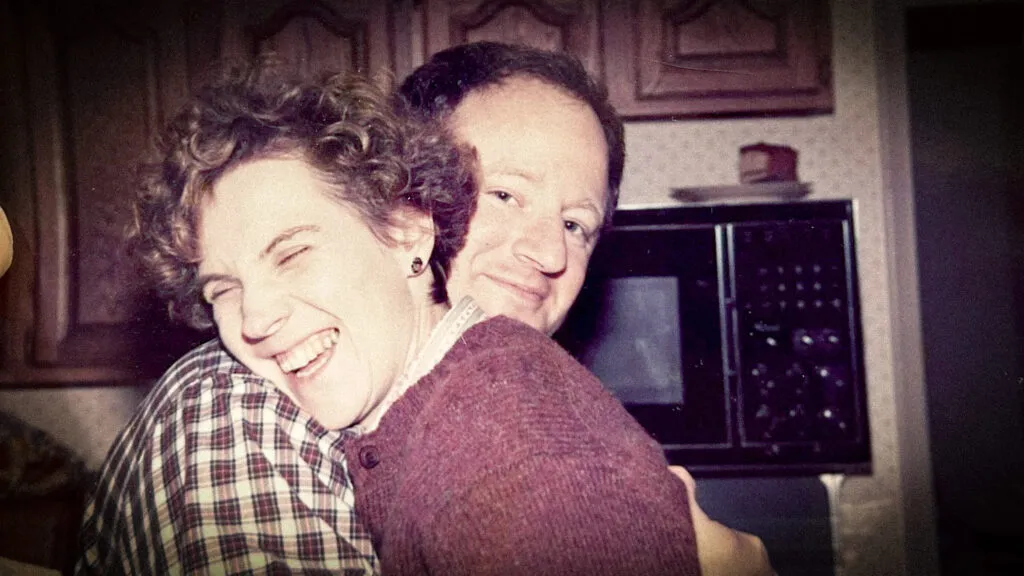
My mother killed herself. I wish assisted suicide had been an option - STAT
I can’t count how many times my mother attempted suicide. It first happened when I was 15, in 1999. The final time — when she actually died — came when I was 32, in 2016.
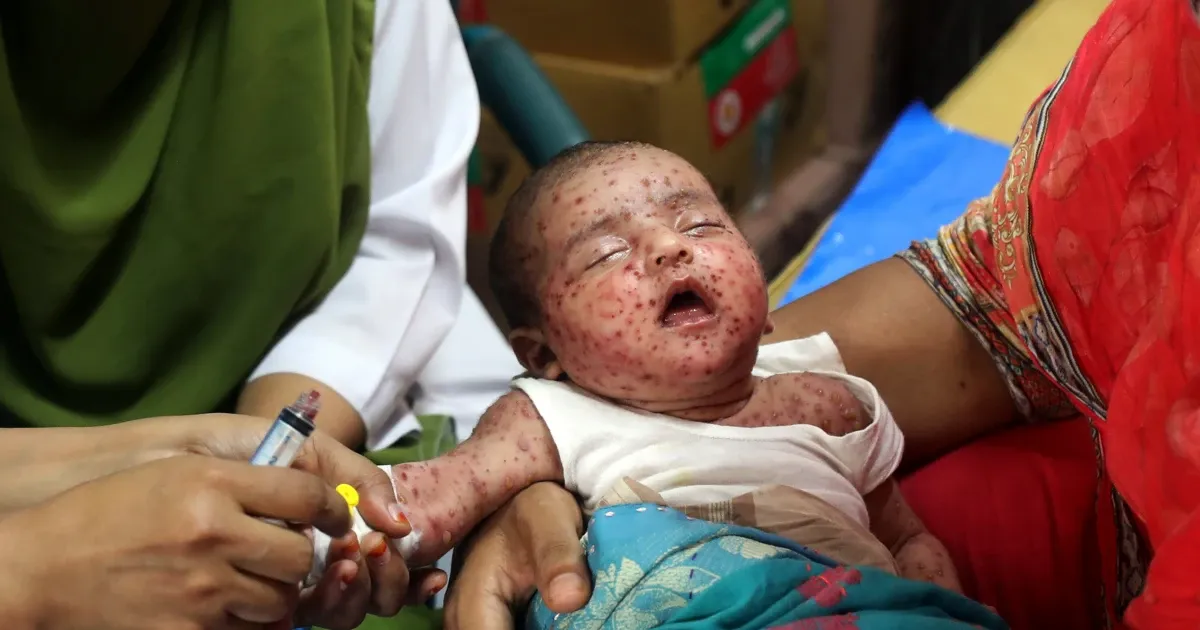
Measles outbreak in Bangladesh is a ‘real warning’ to other nations, experts say - NBC News
But that same year, protests erupted that ended 15 years of rule by Prime Minister Sheikh Hasina. In the ensuing political turmoil, health workers went on strike, vaccine orders were delayed and follow-up vaccinations that usually accompany routine programs were disrupted. In a report published in July this year, WHO and UNICEF estimated that first-dose coverage in 2025 had fallen to 90%, while second-dose coverage was 86%, several percentage points below the 95% needed for herd immunity. The report also raised questions about the quality of official data on vaccinations for measles and other diseases for the years 2023 to 2025. It said preliminary figures sometimes showed numbers of those inoculated exceeded 100% of those targeted, indicating mistakes in counting doses or target numbers. Emergency program missed millionsStill, when the measles outbreak erupted, Bangladesh responded swiftly and initially seemed to be winning the battle. An emergency program was followed by an initial slowdown in new cases after almost 20 million children received vaccinations in April and May. The government said it had covered every child in the target age group of 6 months to 5 years.
0 comments
No comments yet. Be the first to share your thoughts!