A massive asteroid slammed into the North Sea and unleashed a 330-foot tsunami - Science Daily
This story deserves to be shared
Send it to someone who'd care, or post it on your networks.
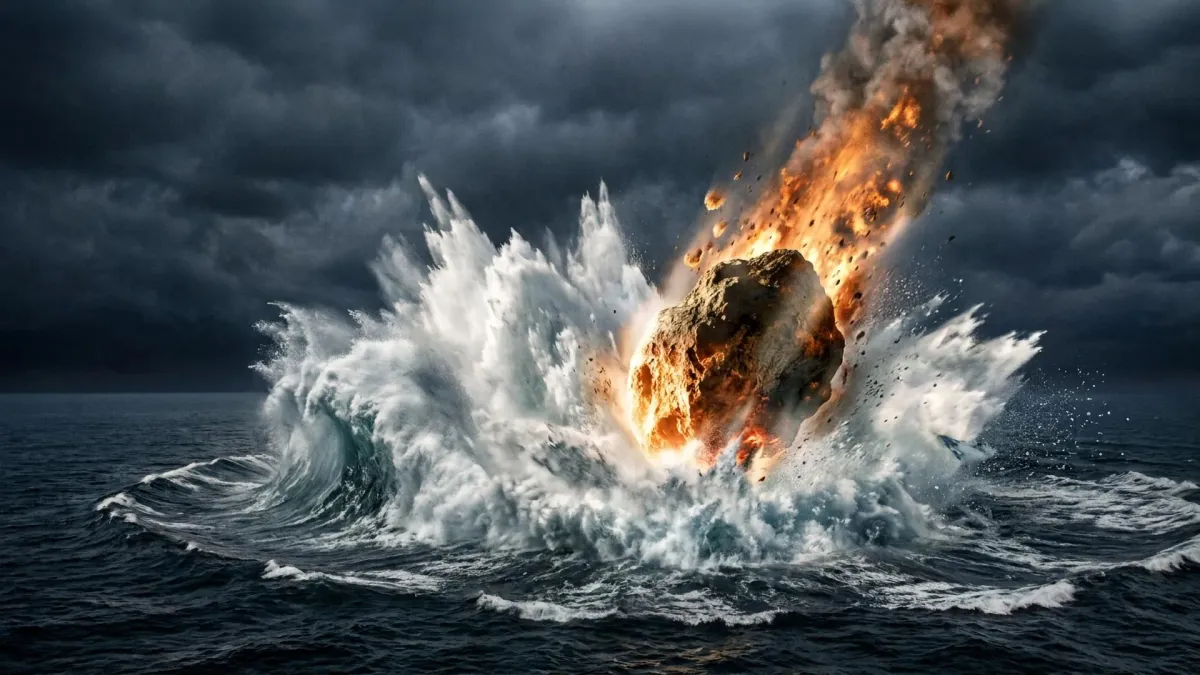
A massive asteroid slammed into the North Sea roughly 43 to 46 million years ago, triggering a tsunami more than 100 meters (330 feet) high. Now, after more than two decades of scientific disagreement, researchers have uncovered compelling evidence confirming the ancient collision.
The impact created what is now known as the Silverpit Crater, a massive structure buried deep beneath the seafloor. Although scientists first discovered it in 2002, its origins remained fiercely debated, with some researchers arguing that geological processes, rather than an object from space, were responsible.
This article is an excerpt. To read the full content, visit the original source. Science Daily
Related articles

Asteroid Impact Unleashed 330-Foot North Sea Tsunami - Mirage News
A massive asteroid slammed into the North Sea roughly 43 to 46 million years ago, triggering a tsunami more than 100 meters (330 feet) high. Now, after more than two decades of scientific disagreement, researchers have uncovered compelling evidence confirming the ancient collision. The impact created what is now known as the Silverpit Crater, a massive structure buried deep beneath the seafloor. Although scientists first discovered it in 2002, its origins remained fiercely debated, with some researchers arguing that geological processes, rather than an object from space, were responsible. A research team led by Dr. Uisdean Nicholson of Heriot-Watt University in Edinburgh has now provided the strongest evidence yet that Silverpit was formed by an asteroid or comet. By combining advanced seismic imaging, microscopic examination of rock samples, and computer simulations, the scientists have reconstructed the violent event and identified minerals that could only have formed under extraordinary pressure. The findings, published in Nature Communications, establish Silverpit as one of the relatively few confirmed impact craters on Earth.
A massive asteroid slammed into the North Sea and unleashed a 330-foot tsunami - Science Daily
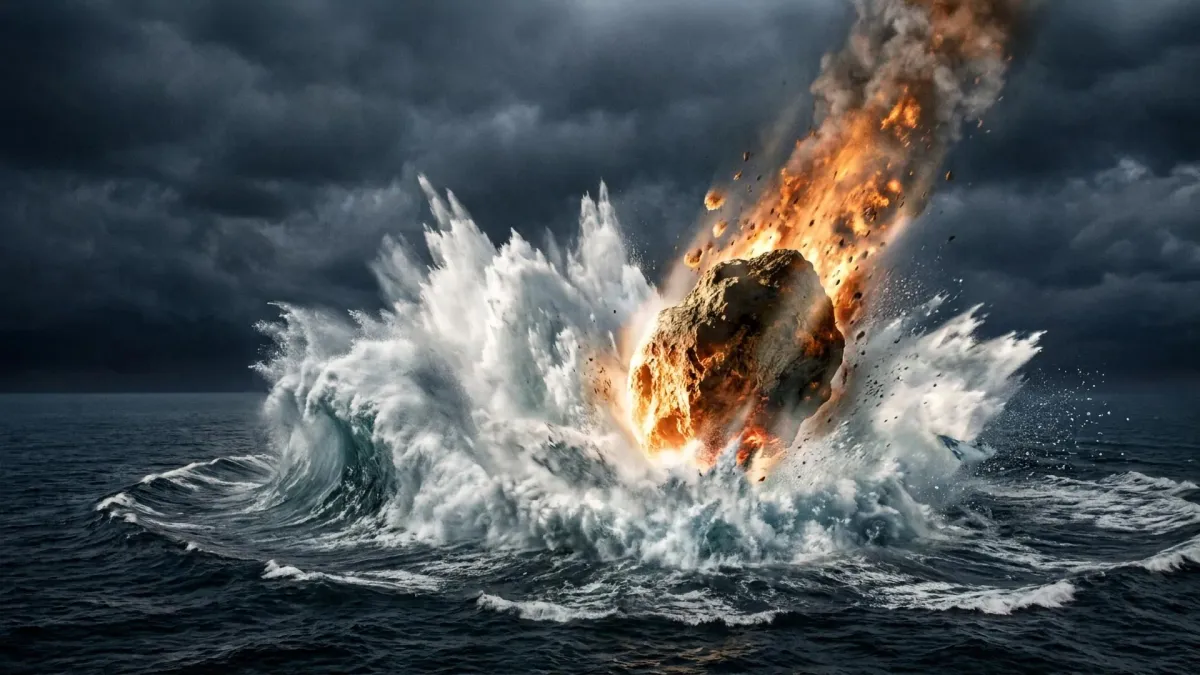
A massive asteroid slammed into the North Sea roughly 43 to 46 million years ago, triggering a tsunami more than 100 meters (330 feet) high. Now, after more than two decades of scientific disagreement, researchers have uncovered compelling evidence confirming the ancient collision. The impact created what is now known as the Silverpit Crater, a massive structure buried deep beneath the seafloor. Although scientists first discovered it in 2002, its origins remained fiercely debated, with some researchers arguing that geological processes, rather than an object from space, were responsible.

Bering Sea heat wave linked to a surprising boom in the number of hybrid crabs - Phys.org
Snow–Tanner hybrid crab collected during the 2026 eastern Bering Sea bottom trawl survey. Credit: Jon Richar Marine heat waves are usually seen as destructive events that can disrupt entire ocean ecosystems and trigger massive environmental damage. In 2018 and 2019, an extreme heat wave hit the Bering Sea, causing spring sea ice levels to plummet.
Giant Jurassic fossil sheds light on the evolution of a six-legged predator - Phys.org
Insects belong to a broader group of six-legged animals called hexapods. This group also includes other less well-known, small animals, including diplurans or two-pronged bristletails, wingless relatives of insects with two rear projections called cerci that resemble feelers or pincers.
0 comments
No comments yet. Be the first to share your thoughts!