A look at 'super agers' and the science behind longer, sharper lives - Horizons - PBS
This story deserves to be shared
Send it to someone who'd care, or post it on your networks.
This article is an excerpt. To read the full content, visit the original source. PBS
Related articles
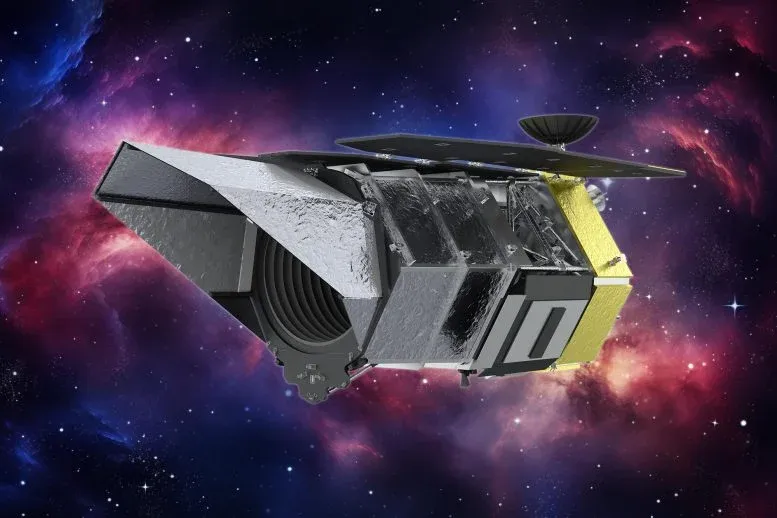
NASA’s Roman Space Telescope Is Sharper Than Anyone Expected - SciTechDaily
NASA’s Nancy Grace Roman Space Telescope is already exceeding expectations after engineers made incredibly precise adjustments to sharpen its view of the universe. Credit: NASA’s Goddard Space Flight CenterNASA’s Roman Space Telescope has achieved nearly 30% better optical performance than required, promising stunningly sharp views of the universe and its greatest mysteries. NASA’s Nancy Grace Roman Space Telescope is performing even better than scientists anticipated after engineers completed an extensive series of tests and precision adjustments. The work has sharpened the observatory’s focus and brought its primary instrument closer to regular scientific operations. Remarkably, the telescope’s Wide Field Instrument is now delivering optical performance nearly 30% better than predicted. “All of Roman’s sweeping surveys will rely on the Wide Field Instrument,” said Dave Hickey, a Wide Field Instrument systems engineer at NASA’s Goddard Space Flight Center in Greenbelt, Maryland.
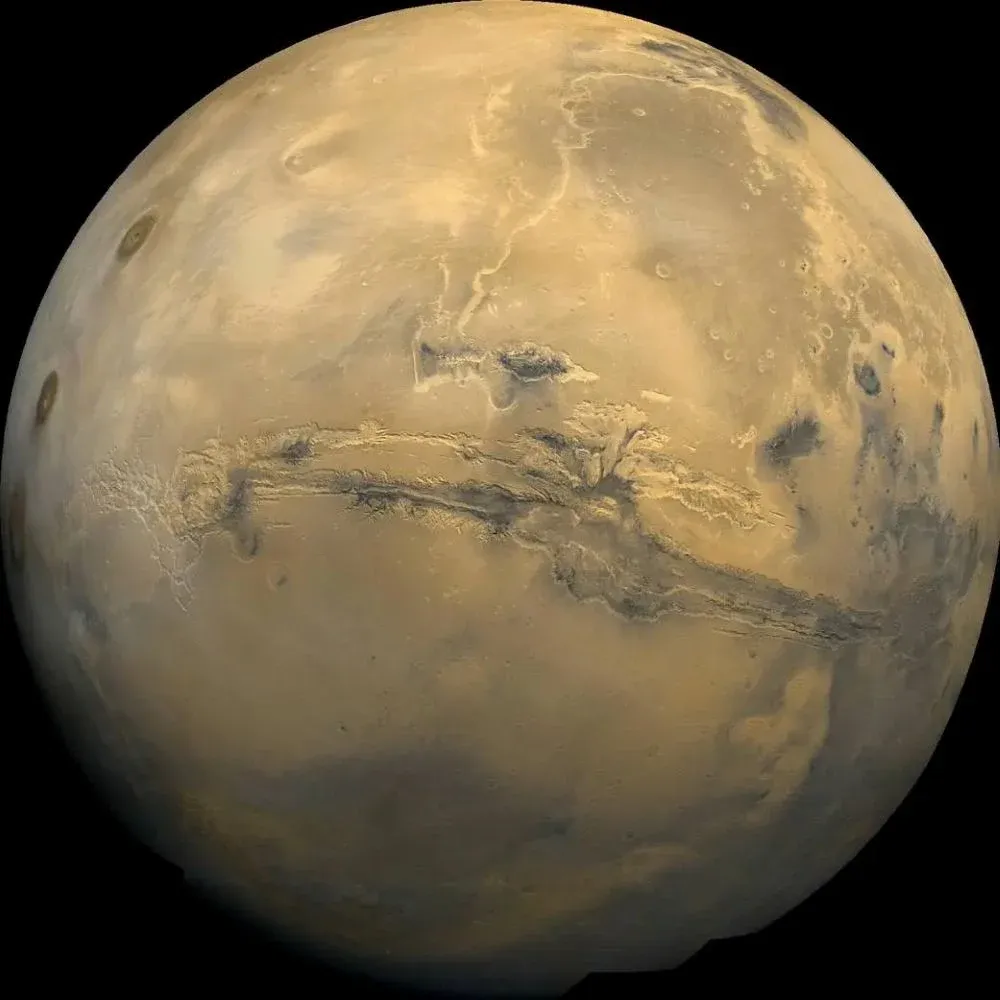
Mars’s Giant Canyon Still Tectonically Active, New Research Shows - Aviation Week
Data collected by NASA’s now-defunct Mars InSight lander shows that the largest canyon system in the Solar System remains tectonically active. New research shows that a “marsquake” began 12-15 mi. beneath Valles Marineris due to rocks slipping along a deep fault, scientists with Imperial College... Irene KlotzIrene Klotz is Senior Space Editor for Aviation Week, based in Cape Canaveral. Before joining Aviation Week in 2017, Irene spent 25 years as a wire service reporter covering human and robotic spaceflight, commercial space, astronomy, science and technology for Reuters and United Press International.
Laser-made lattice reveals discrete light solitons in tunable atomic vapor - Phys.org
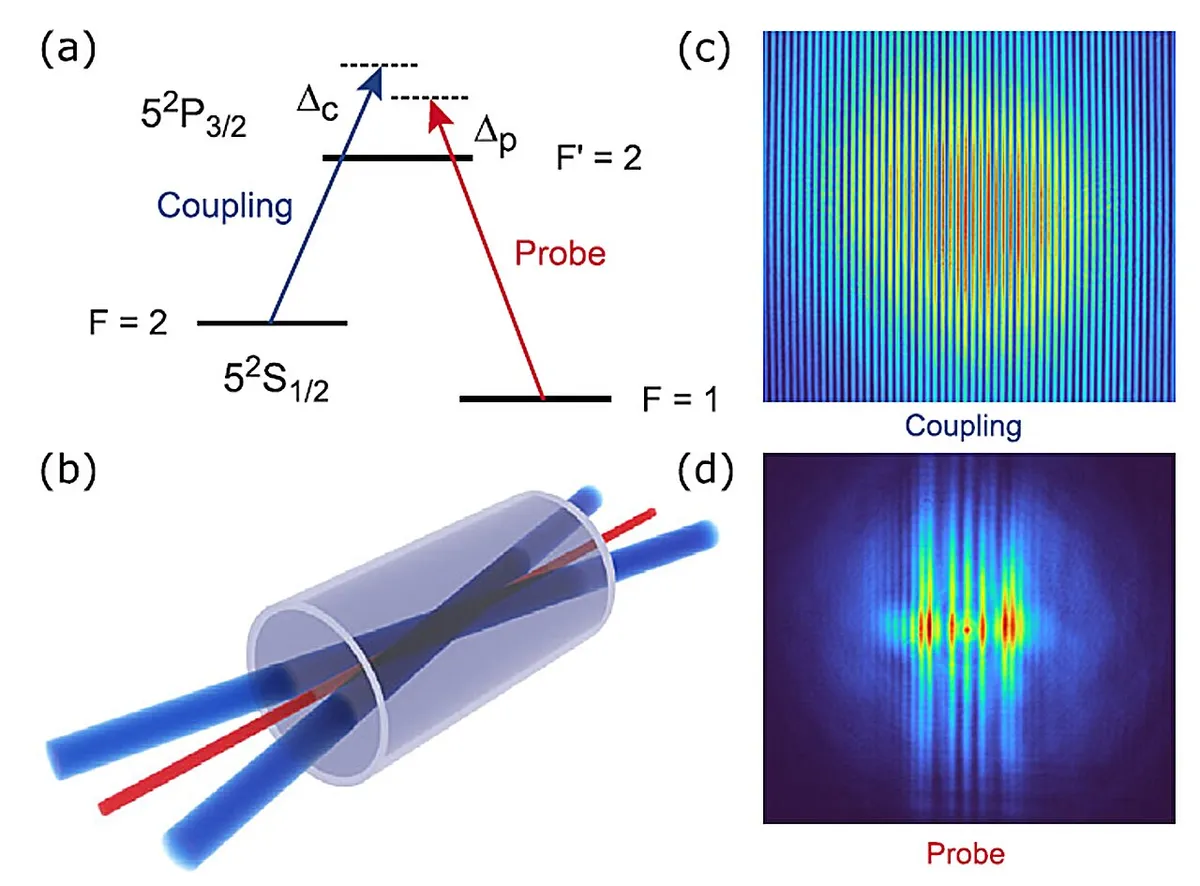
Experimental setup: (a) Three-level Λ-scheme of rubidium atoms interacting with coupling and probe laser fields; (b) a glass cell containing rubidium vapor through which the coupling and probe beams propagate; (c) the coupling-laser interference pattern that creates a spatially modulated refractive index; (d) the transverse profile of the probe beam after propagation through the induced lattice. Credit: Vjekoslav Vulić, Institute of Physics Zagreb Scientists from the Quantum Technologies Group at the Institute of Physics Zagreb, in collaboration with a colleague from the Physics Department at the Faculty of Science (PMF), have experimentally demonstrated for the first time the existence of discrete one-dimensional (1D) solitons in an optically induced photonic lattice in warm rubidium vapor.
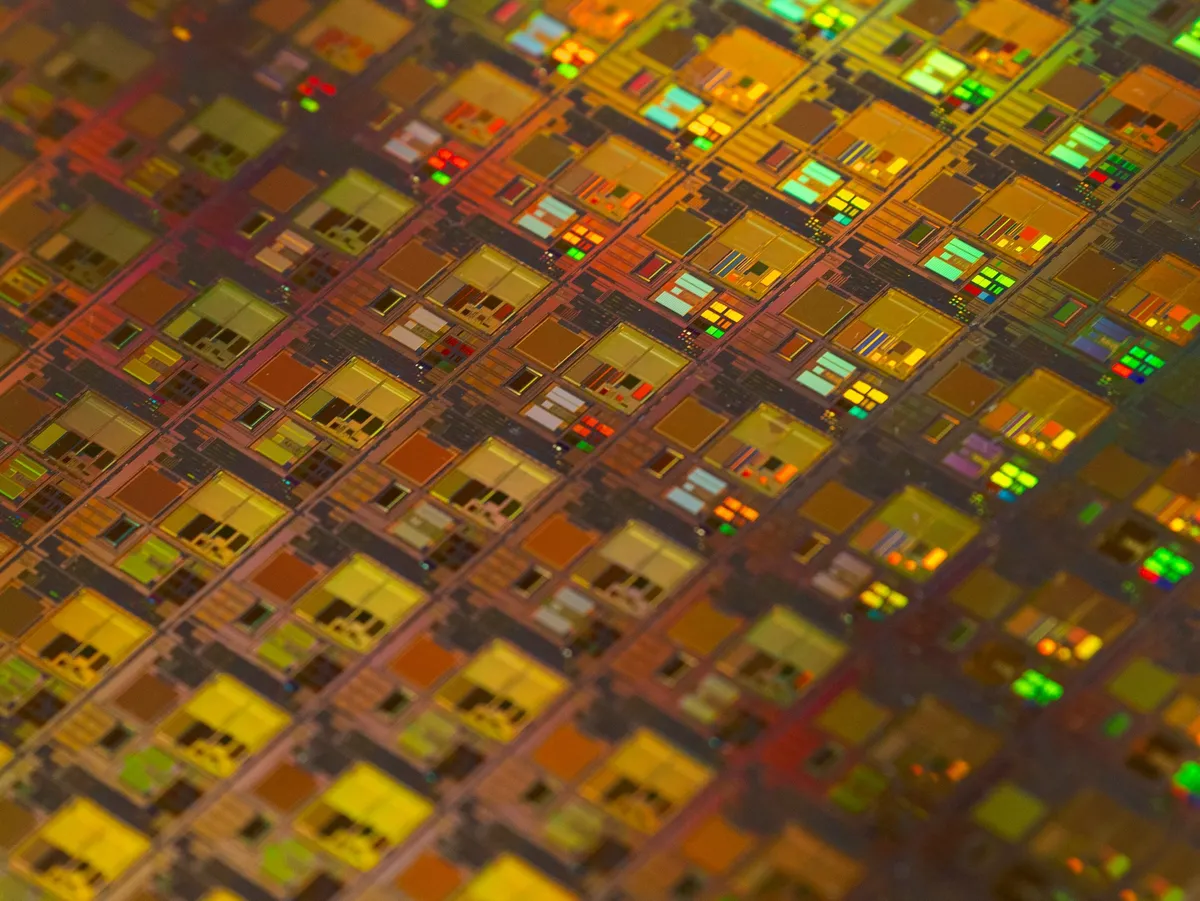
Perovskite laser maintains stable performance over 400 million pulses - Phys.org
In a study published in Advanced Optical Materials, researchers at Vilnius University (VU) demonstrated perovskite-based laser structures that maintained stable performance over more than 400 million pulses. Their findings address one of the major challenges limiting the practical use of perovskites: their instability. These semiconductor materials could play an important role in next-generation optical technologies, but their tendency to degrade has long posed a challenge for researchers worldwide. In some sense, perovskites can be compared to graphene. Like perovskites, graphene spent years being studied in labs because of its potential before industry eventually began using it. Today, it's widely applied in solar energy, electronics and batteries. Perovskites may hold even greater potential, but they come with a major drawback: they're highly unstable and degrade quickly in the presence of moisture.
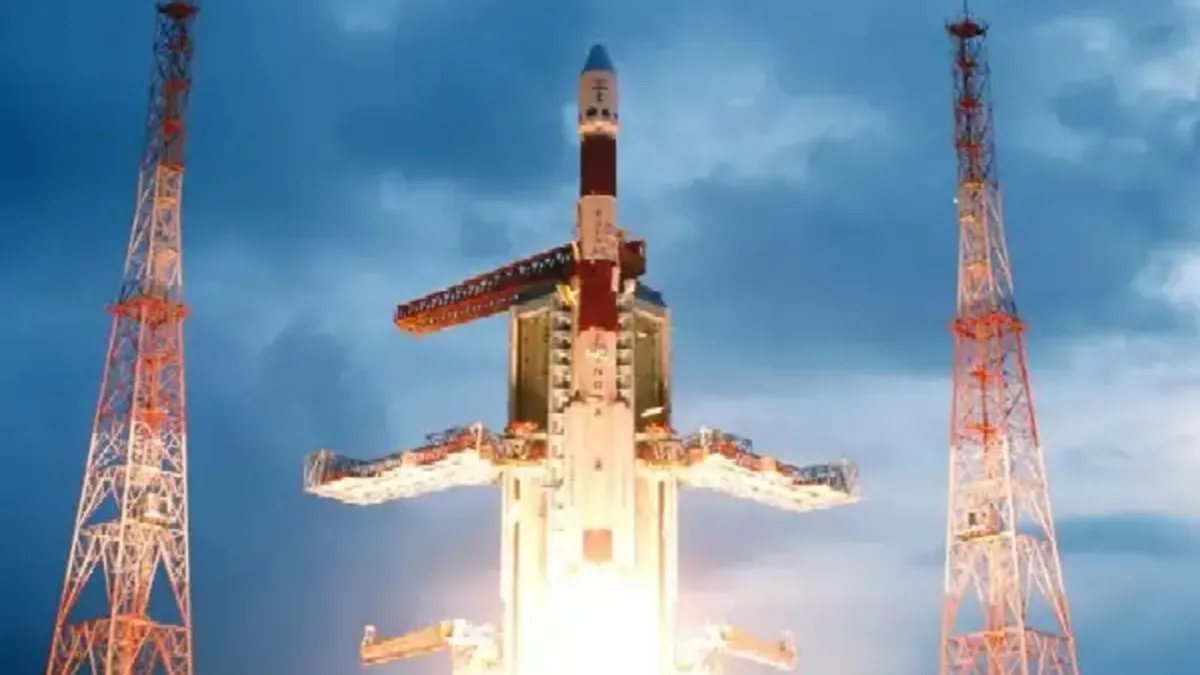
On this day in space! Oct. 21, 2008: India launches its 1st mission to the moon with Chandrayaan-1 - Space
India swung for the moon with Chandrayaan-1, its first deep space mission.
0 comments
No comments yet. Be the first to share your thoughts!