5 alternatives to Ledger to store your Bitcoin
This story deserves to be shared
Send it to someone who'd care, or post it on your networks.
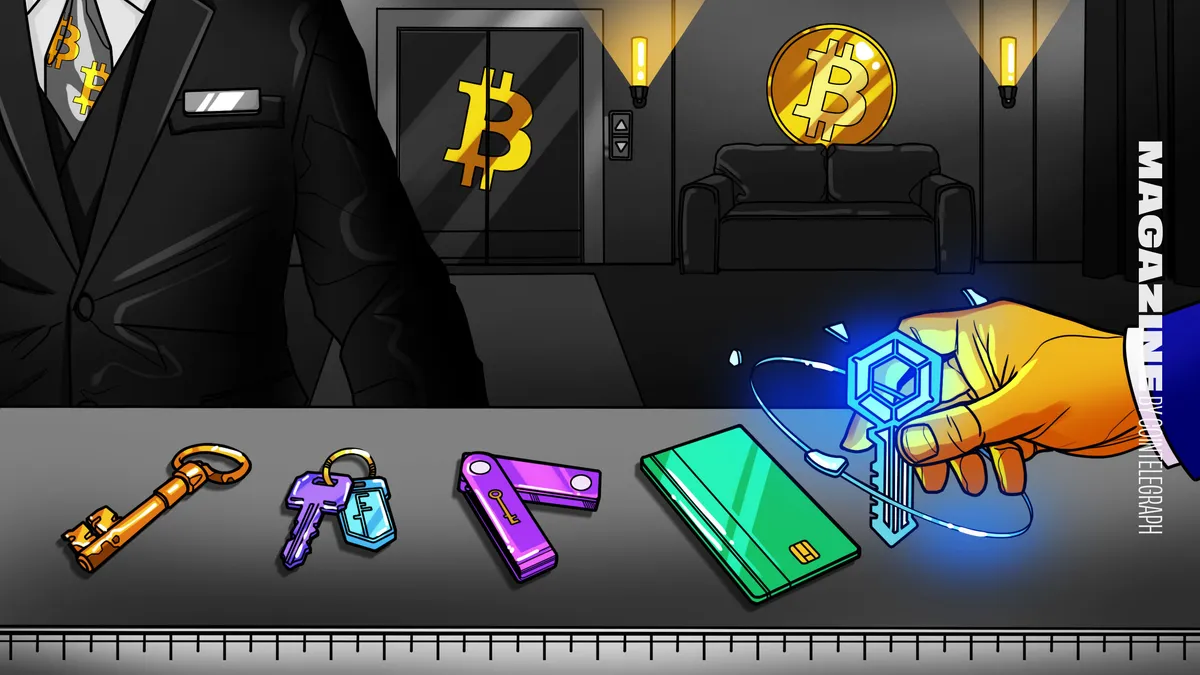
After more than $200 million dollars worth of crypto was stolen in recent months from tampered Ledgers, and Coldcards where the seed generated wasn’t truly random, faith in hardware wallets has been shaken to the core. These Bitcoin and crypto holders did everything right. They bought the products from official sources, correctly stored their seed phrases and they trusted in the phrase “not your keys, not your coins”, but they lost out any way. The thefts suggest that even the most diligent crypto holder using a hardware wallet faces risks beyond their control. With the number of physical attacks on crypto holders rising — there’s been a $5 wrench attack in France every 2.5 days this year — the drawbacks of storing crypto on a hardware wallet are becoming clearer. And that’s even before you consider how many crypto owners have lost wallets and seed phrases over the years — “boating accidents” for tax purposes excluded. There are plenty of drawbacks with all of the alternative methods of holding crypto however, so spreading your stack across different addresses and via different methods will at least minimize the damage if any one method is compromised.
This article is an excerpt. To read the full content, visit the original source. Cointelegraph
Related articles

XRP Ledger is set to fix its lending code before anyone can use it
SummaryA package of XRP Ledger bug fixes is expected to take effect around 09:34 UTC on Oct. 23 after securing the minimum 29 validator votes required for approval. The fixes address Ripple’s proposed uncollateralized lending system, which remains inactive because its lending and vault amendments have only 19 and 21 votes, respectively. The package also closes a loophole that could allow certain accounts to create tokens despite having permission only to destroy them, while revising vault rounding and loan-default rules. A batch of bug fixes is set to go live on the XRP Ledger on Friday, and some of them patch the lending system Ripple has pitched to banks and payment companies since June — a system that hasn’t been switched on yet and is still 10 votes short of approval. Validators are the independent servers that agree on which transactions count. A change to the network’s rules needs backing from more than 80% of the 35 validators the network trusts by default, which works out to 29, and that backing has to hold for two straight weeks. Under the plan, a lender deposits XRP or another token into a vault, and a loan broker lends that money out for a fixed term.
Ledger’s early implant warnings deserved more action, Karpelès says
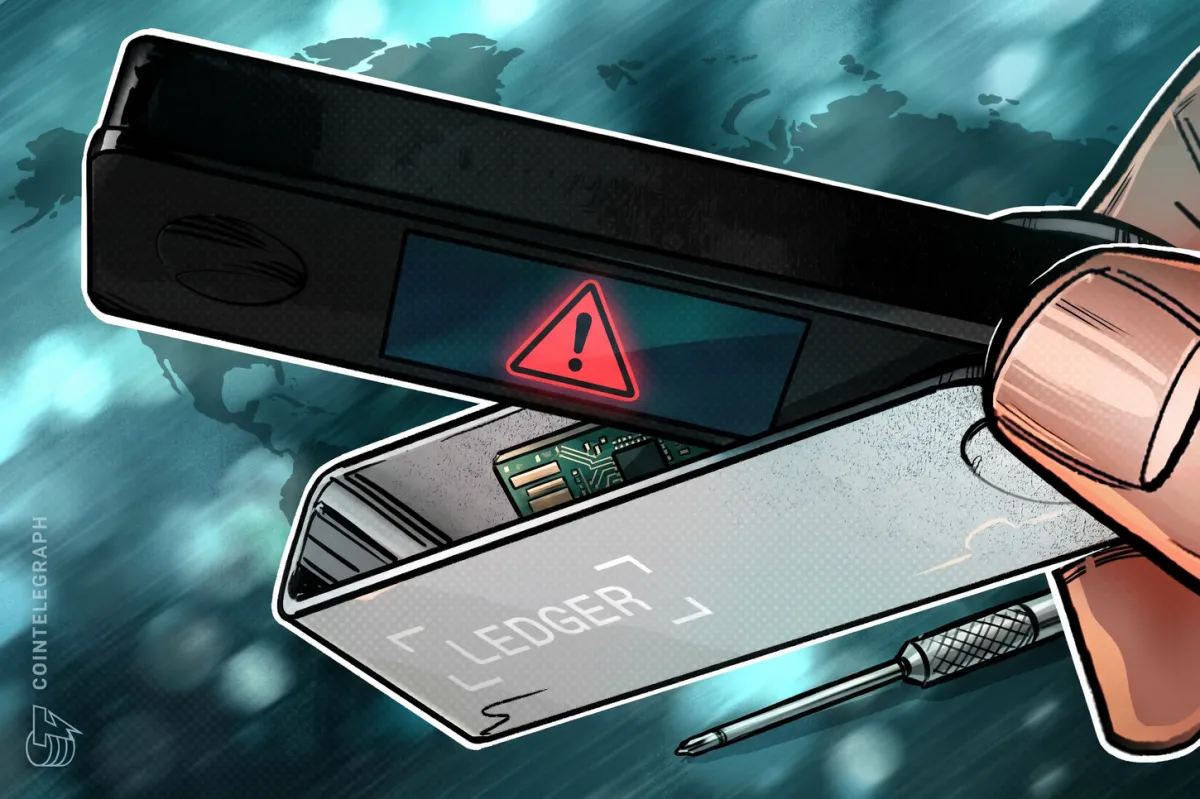
French hardware wallet maker Ledger received multiple reports of malicious hardware implants months before its latest security crisis, according to Mark Karpelès, former CEO of the collapsed Bitcoin exchange Mt. Gox. Karpelès told Cointelegraph he was aware of at least two people who contacted Ledger about tampered devices dating back to December 2025. Karpelès said he hasn’t encountered any public warning Ledger issued in response. Joe Grand, a security researcher, told Cointelegraph he alerted Ledger on March 4, 2026, about a malicious implant in a Nano X purchased through online marketplace Lazada Thailand in August 2025. Grand said Ledger acknowledged his findings and said it was investigating internally, but he criticized the company for not proactively warning customers about the threat. Vietnamese crypto educator Tai Zen contacted Ledger about a suspected hardware wallet implant in December 2025, according to Mark Karpelès. Source: Tai ZenLedger’s ongoing security crisis surfaced Oct. 9, when crypto losses were reported involving wallets sold through CryptoBilis, a reseller authorized in Southeast Asia.

Scammer gets scammed in Ledger spy-chip exploit, loses almost $5 million in bitcoin
SummaryA crypto scammer who made millions through fake online job offers lost more than $4.9 million in bitcoin after thieves compromised Ledger hardware wallets. Chainalysis said the scammer transferred proceeds from their scheme to three wallet addresses, from which attackers stole 60 bitcoin. The theft was linked to Ledger devices sold by Southeast Asian reseller CryptoBilis that contained unauthorized implants capable of transmitting wallet recovery information over a mobile network. A crypto scammer who made millions tricking people by offering fake online jobs has fallen victim to another scam, losing bitcoin worth more than $4.9 million through compromised Ledger hardware wallets. Blockchain analytics firm Chainalysis said Thursday on X that the perpetrator had collected the bitcoin through a so-called task scam, in which people are initially paid to post fake product reviews or boost online sales. Then they are told their accounts have a negative balance and they must deposit their own money before they can withdraw their supposed earnings.

Polymarket traders see a 10% chance the AI bubble bursts before New Year’s Day
For investors worried that the runaway artificial-intelligence trade might be about to hit the skids, prediction markets are already starting to reflect that anxiety.

Public-sector pension board forms joint venture with Nuveen to invest in U.S. shopping centres
Partnership starting with $790-million portfolio

How a16z-backed DATA is rethinking its blockchain strategy after $30 million Sui deal
Updated Oct 21, 2026, 11:24 a.m. EDTPublished Oct 21, 2026, 11:22 a.m. EDT4 min readDATA CEO Andrea Muttoni (Source: DATA)SummaryDATA shifted from its broad intellectual property ambitions to AI training data after finding that established licensing markets were difficult to disrupt, CEO Andrea Muttoni told CoinDesk. The startup is moving to Sui following a $30 million investment from Sui Foundation, allowing the company to focus on its data verification tools rather than maintaining its own blockchain. DATA's Trace registry tracks the origins, consent terms and licensing history of AI training data, with partner Kled adding millions of contributions each day. DATA, the blockchain startup backed by Andreessen Horowitz's a16z crypto and formerly known as Story Protocol, is shutting down its blockchain and moving to Sui after securing a $30 million investment from the network's foundation. The move comes after spending years trying to bring intellectual property onchain. But after raising $140 million and building its own blockchain, the company found that changing how the world's intellectual property is licensed was harder than expected.
0 comments
No comments yet. Be the first to share your thoughts!