How a16z-backed DATA is rethinking its blockchain strategy after $30 million Sui deal
This story deserves to be shared
Send it to someone who'd care, or post it on your networks.

Updated Oct 21, 2026, 11:24 a.m. EDTPublished Oct 21, 2026, 11:22 a.m. EDT4 min readDATA CEO Andrea Muttoni (Source: DATA)SummaryDATA shifted from its broad intellectual property ambitions to AI training data after finding that established licensing markets were difficult to disrupt, CEO Andrea Muttoni told CoinDesk. The startup is moving to Sui following a $30 million investment from Sui Foundation, allowing the company to focus on its data verification tools rather than maintaining its own blockchain. DATA's Trace registry tracks the origins, consent terms and licensing history of AI training data, with partner Kled adding millions of contributions each day. DATA, the blockchain startup backed by Andreessen Horowitz's a16z crypto and formerly known as Story Protocol, is shutting down its blockchain and moving to Sui after securing a $30 million investment from the network's foundation. The move comes after spending years trying to bring intellectual property onchain. But after raising $140 million and building its own blockchain, the company found that changing how the world's intellectual property is licensed was harder than expected.
This article is an excerpt. To read the full content, visit the original source. CoinDesk
Related articles

American Bankers Association: OCC’s GENIUS rules ‘undermine’ US Congress
A lobbying group for US banks has weighed in on the Office of the Comptroller of the Currency’s (OCC’s) recently finalized rules on payment stablecoin issuance and custody, arguing that the regulator’s interpretation went against Congress’ intent. In a Wednesday notice, the American Bankers Association (ABA) said that while the OCC’s final rules implementing the GENIUS Act included “several positive steps,” the banking group remained critical of provisions related to stablecoin yield. The regulator dropped a provision that would have established a presumption that certain third-party arrangements violated the law’s ban on yield payments. “The final rule removes the OCC’s originally proposed safeguards that would have addressed indirect arrangements involving affiliates, exchanges and other distribution partners,” said ABA. “As a result, payment stablecoin issuers can provide economically equivalent yield while technically avoiding the statutory prohibition.

Why investors should be skeptical of a potential Tesla-SpaceX merger
Wall Street is all abuzz over a possible merger between Tesla and SpaceX. But there is a high probability that such a merger would be a bad idea.

Oil is now flowing out of the Persian Gulf like before the Iran war. Why prices may still not come down anytime soon.
Oil flows out of the Persian Gulf in October nearly returned to levels seen before the start of the Iran war, but traders remain wary about a fragile recovery.

7 healthcare stocks that stand out as investors pay up for the sector
Investors have pushed the healthcare sector to a record high, and some favored stocks have high projected revenue growth rates through 2028.

Trump says data centers should generate their own electricity — but experts say only states can mandate that
The president’s statement comes as a voter backlash against the facilities intensifies ahead of the midterm elections.
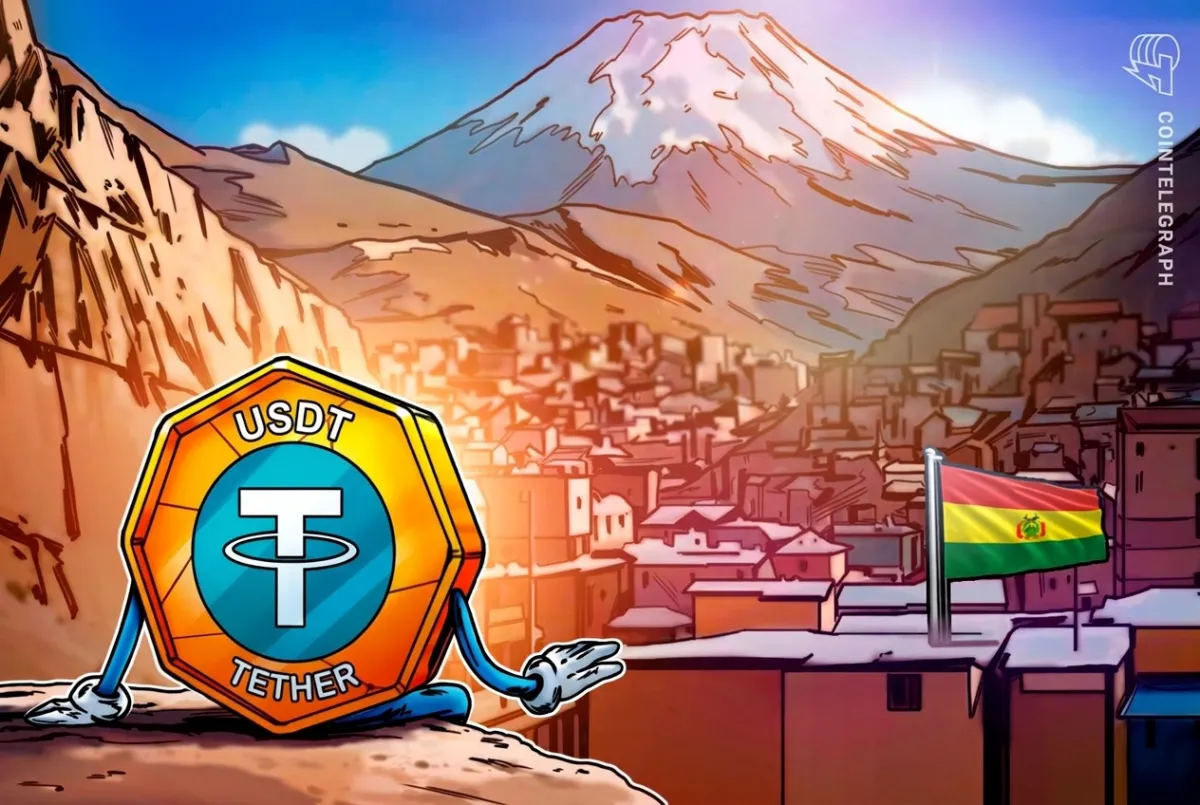
Tether backs Bolivian fintech bringing USDT payments to food delivery and banking
Tether has led a pre-seed funding round in Bolivian fintech Peso, which offers USDT payments through food delivery apps and local banking networks, to support the company’s expansion across Latin America. In a Wednesday announcement, Tether said the investment will help Peso expand its stablecoin payment infrastructure across Bolivia, Brazil, Colombia and Argentina, including services that connect USDT with local currencies through banking and merchant payment systems. Peso has integrated USDT payments into Yango’s food delivery service in Bolivia, allowing customers to pay for orders using the stablecoin. The fintech offers QR payments, point-of-sale services for merchants and virtual accounts linked to Bolivia’s banking system through ACH transfers. Tether did not disclose the size of its investment. Source: TetherThe investment comes as other fintech companies expand USDT-based financial services in Bolivia. On Tuesday, lending platform Tala announced a partnership with El Dorado to offer credit directly through the digital wallet, allowing eligible customers to receive and repay loans in USDT on the Tempo blockchain.
0 comments
No comments yet. Be the first to share your thoughts!