2,500-year-old 'primitive prosthetic' found on jaw of mummified Scythian woman who survived complex jaw surgery - Live Science
This story deserves to be shared
Send it to someone who'd care, or post it on your networks.
This article is an excerpt. To read the full content, visit the original source. Live Science
Related articles
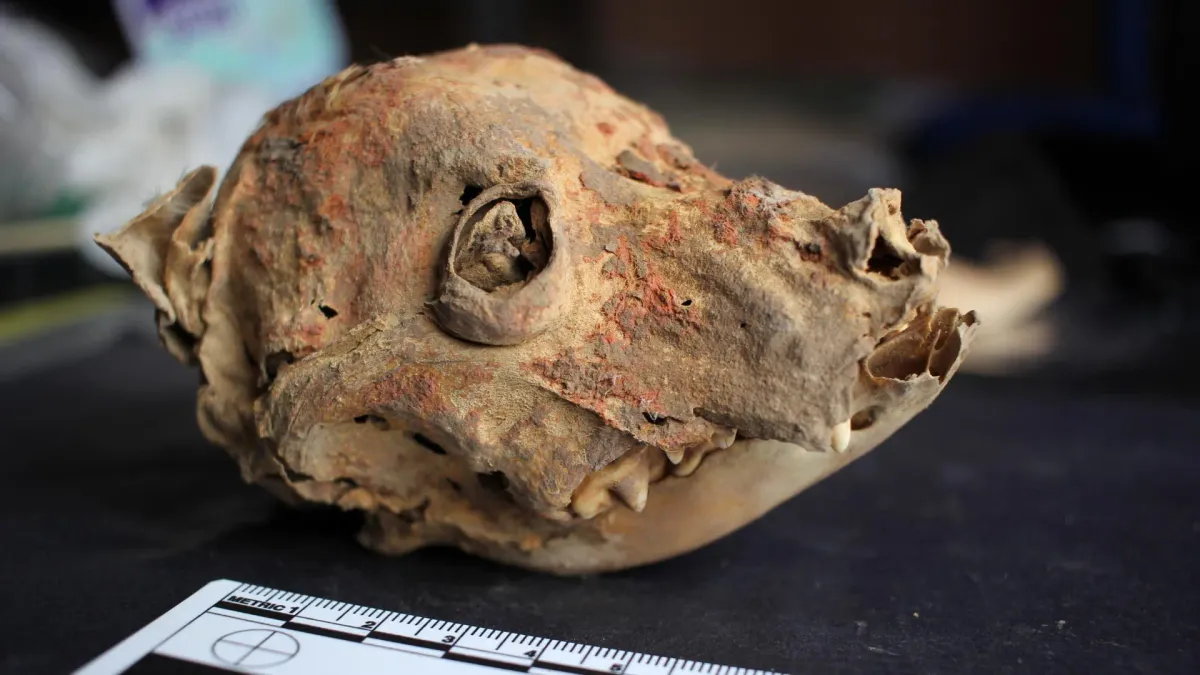
Archaeologists discover 1,200-year-old mummified hairless dog in Peru - Science Daily
Archaeologists working at an ancient burial complex in Peru have uncovered remarkable evidence of hairless dogs that lived more than 1,200 years ago, long before the rise of the Inca Empire. The discoveries include naturally mummified remains, unusual skeletal features, and clues about what the animals ate and how they were treated by the people around them. Peruvian hairless dogs are a distinctive Indigenous breed known for their slender bodies, pointed ears, and lack of fur. They frequently appear in pottery created by ancient societies along the Andean coast. Today, a variation of the breed is recognized by the American Kennel Club as the Peruvian Inca Orchid. The dogs are also an important national symbol, having been officially designated part of Peru's cultural heritage in 2000.
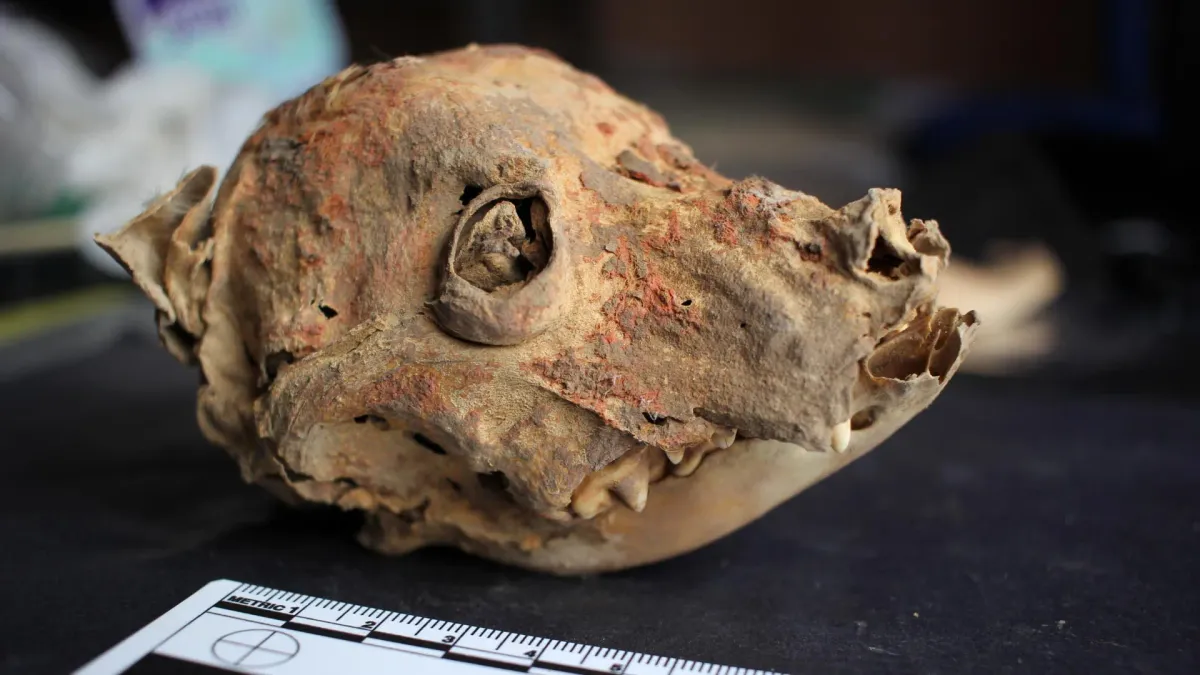
Archaeologists discover 1,200-year-old mummified hairless dog in Peru - Science Daily
Archaeologists working at an ancient burial complex in Peru have uncovered remarkable evidence of hairless dogs that lived more than 1,200 years ago, long before the rise of the Inca Empire. The discoveries include naturally mummified remains, unusual skeletal features, and clues about what the animals ate and how they were treated by the people around them. Peruvian hairless dogs are a distinctive Indigenous breed known for their slender bodies, pointed ears, and lack of fur. They frequently appear in pottery created by ancient societies along the Andean coast. Today, a variation of the breed is recognized by the American Kennel Club as the Peruvian Inca Orchid. The dogs are also an important national symbol, having been officially designated part of Peru's cultural heritage in 2000.
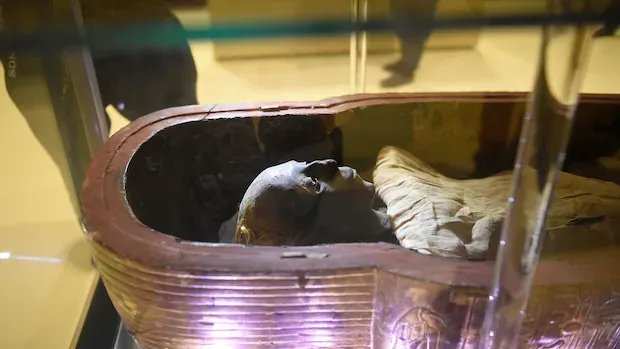
People are trading mummified human remains online. Some scientists say that may be bad for their health - CBC
ScienceIn new research, scientists shine a light on a global, online trade in preserved human remains and raise the alarm about its potential health hazards. New study warns body parts could have dormant fungi, bacteria — and that traders risk exposure to themLivia Dyring · CBC News · Posted: Aug 22, 2026 4:00 AM EDT | Last Updated: August 22Listen to this articleEstimated 6 minutesThe audio version of this article is generated by AI-based technology. Mispronunciations can occur. We are working with our partners to continually review and improve the results. A mummy of an Egyptian noblewoman named Thuya is shown on display at the Egyptian Museum in Cairo, Egypt. A new study on the online trade of human and animal remains cautions that buyers could be exposing themselves to harmful microorganisms. (Khaled Desouki/AFP/Getty Images)It's not something most people would picture being inside your average delivery package, but scientists say there's a global market online for preserved human remains — a niche hobby they say poses potential health hazards.

St. Albert fitter calls for full subsidies as prosthetic costs outpace Alberta support - St. Albert Gazette
St. Albert businesswoman talks prosthetic breasts Breasts are heavy. Depending on their size, they can add anywhere from 280 to 8,000 grams to your chest, bra-calculator.com estimates. A-cups weigh about two chipmunks, while E-cups weigh about as much as dwarf rabbit, the Japanese branch of the lingerie company Genie reports.
0 comments
No comments yet. Be the first to share your thoughts!