Cats are nice. I respect people who prefer cats. But I’m a dog person. Nothing triggers more reader mail than a column picking pet favourites. But being close to a dog, almost any dog, warms my soul. What a wonderful world it would be if people were as generous to humankind as most of us are to our beloved dogs.
What is it about dogs that makes us love them so much? Of course, it’s their unwavering devotion to us. But there’s more. Dogs trigger what scientists call the “baby schema.”
Some health-care services at Chatham-Kent Health Alliance’s Chatham and Wallaceburg sites will be altered Monday, Oct. 12, for the Thanksgiving Day holiday.
Some outpatient diagnostic tests will take place during the statutory holiday, and patients with scheduled diagnostic tests are advised to attend their appointments. The departments will also be staffed to meet the needs of inpatients and emergencies.
Much of what scientists know about how genetic differences affect health comes from studying populations outside Africa. This matters because genetic information is increasingly being used to understand disease, interpret genetic tests and, in some cases, guide treatment.
Africa has the greatest human genetic diversity in the world, yet African populations remain poorly represented in global genomic research. A genome is the complete set of DNA carried by a person. Only about 0.15% of participants in genome-wide association studies, which look for links between genetic differences and disease, are from Africa. When most of the evidence comes from populations elsewhere, some findings can be harder to interpret for African patients.
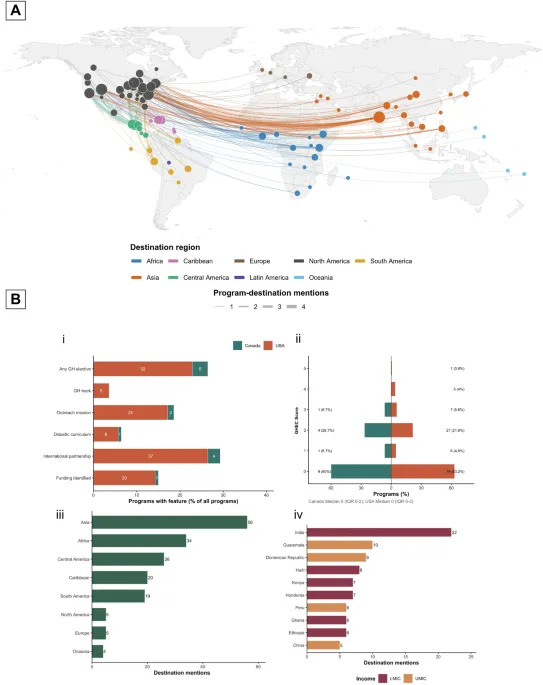
Preventable vision loss is a disproportionate global burden affecting low- and middle-income countries [1]. While contemporary frameworks highlight the pivotal role of sustained, capacity-building partnerships to address these inequities, current institutional offerings often fall short of this model [2]. Notably, prospective trainees seeking global health tracks may face limited publicly available information on structured opportunities across North America. Herein, we aimed to evaluate the documented global health training across accredited Canadian and US ophthalmology residency programs. We hypothesised that global health infrastructure remains limited and inequitably distributed. This cross-sectional study was conducted in accordance with Strengthening the Reporting of Observational Studies in Epidemiology (STROBE) guidelines.
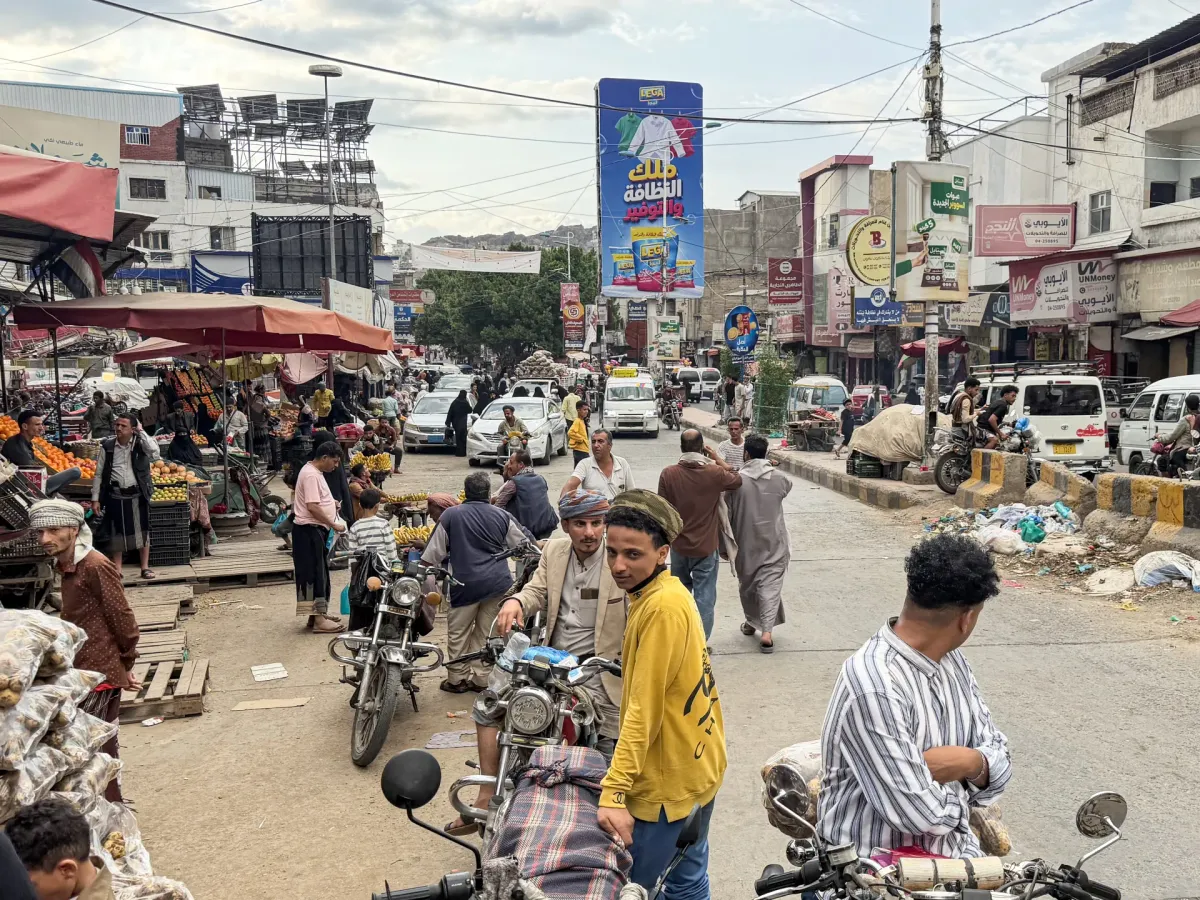
Yemen’s internationally recognised government has warned of an “imminent health and humanitarian catastrophe” in the besieged city of Taiz, in the country’s southwest, as the Houthis continue their siege and “obstruct essential supplies”. Yemen’s Ministry of Public Health and Population said in a statement on Saturday that medicines, intravenous fluids, medical supplies and fuel at the city’s health facilities were “nearing depletion”. Recommended Stories list of 3 itemslist 1 of 3How hunger is devastating Yemen’s childrenlist 2 of 3Yemen’s Taiz residents fear food and fuel crisis amid fightinglist 3 of 3More than 200,000 displaced as fighting escalates in Yemen, UN saysend of listIt said emergency care, surgery, intensive care, dialysis and neonatal services could be forced to stop if the situation continued, putting patients, injured people, pregnant women and newborns “at immediate risk”. Fuel shortages also threaten electricity generators, ambulances and the cold chains that keep medicines and vaccines usable, which could cause “severe complications and preventable deaths”, the ministry said.
The Health Statutes Amendment Act, or Bill 11, makes significant changes to the health care system in Alberta, including a public and private dual-practice model for physicians. Amar Shah has the details on the pushback against the changes.
The American Heart Association’s Heart and Stroke Walk shares CPR education while raising funds to support research and local impact initiatives
Fresno, Calif., October 10, 2026 — Today more than 1,500 people gathered at Tesoro Viejo for the American Heart Association’s 2026 Central Valley Heart and Stroke Walk. The event celebrated heart disease and stroke survivors and supported the lifesaving mission of the Association by raising $350,000 and counting for research, education and local impact initiatives. As part of the event, participants also learned Hands-Only CPR, helping build a community of lifesavers ready to act in a cardiac arrest emergency.
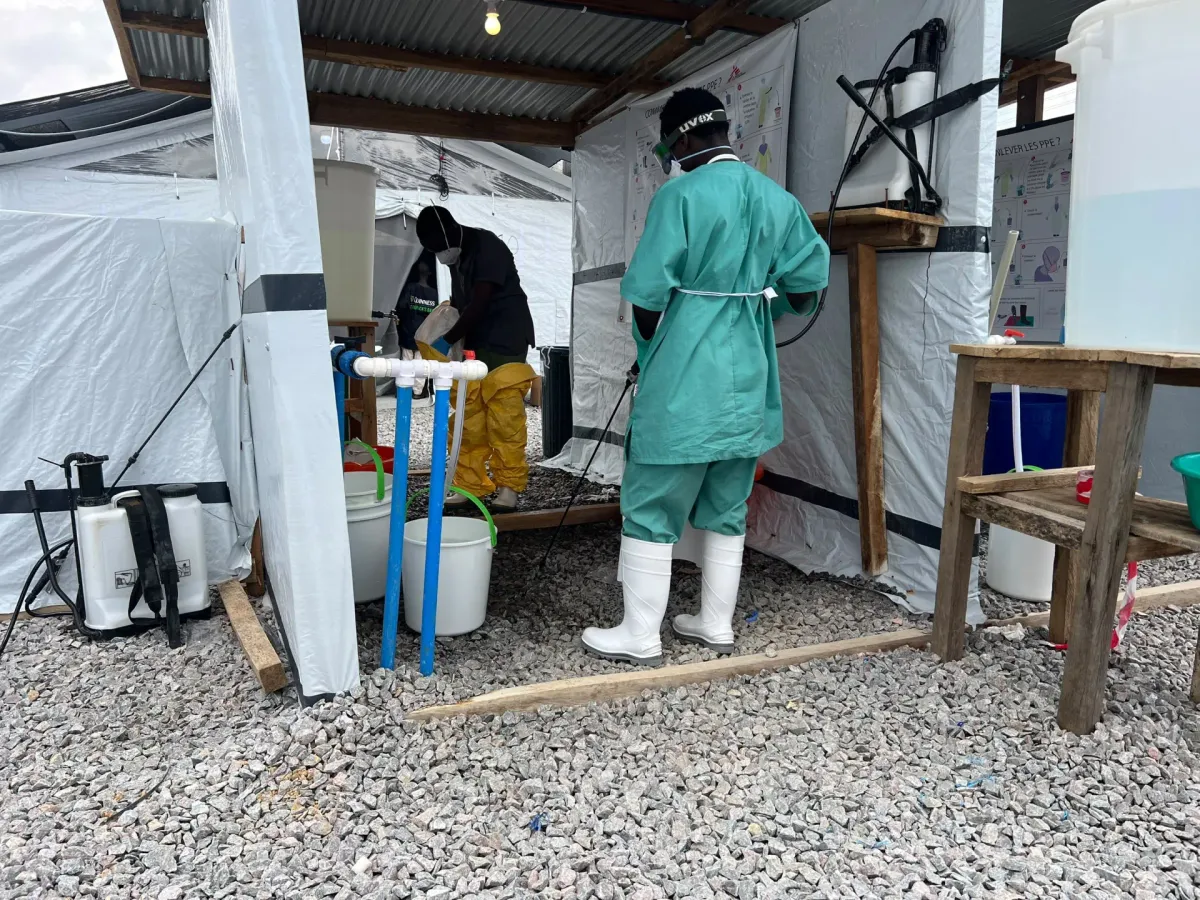
Beni, Democratic Republic of Congo – The Ebola outbreak in the Democratic Republic of the Congo (DRC) has spread to another health zone in the east, while a fatal imported case in Kenya has underscored the risk of cross-border transmission. The World Health Organization (WHO) said in an October 8 update that Alimbongo health zone in North Kivu province had reported cases for the first time. As of October 6, four confirmed cases, including two deaths, had been recorded there. The outbreak is caused by the Bundibugyo virus, a species of Ebola virus. According to the WHO, cases had been reported in 64 health zones across seven provinces in the DRC. Ituri remained the worst-affected province in cumulative cases, while North Kivu was accounting for a growing share of newly confirmed infections. As of October 6, the WHO had recorded 8,728 confirmed cases and 4,205 confirmed deaths in the DRC. A further 2,269 people had recovered, and the crude case fatality ratio stood at 48.2 percent. Kenya confirms imported caseKenya confirmed its first imported case of Bundibugyo virus disease on October 6, according to the WHO.
More than a dozen “interconnected catastrophic threats” pose significant risk to global health and wellbeing through the remainder of the 21st century, researchers say – including the potential for extinction. But targeted action from world leaders can help avoid worst-case scenarios.