Categories
Health
6242 articles

Health
Eye scans link retinal thinning to slower cognitive processing in MS - Multiple Sclerosis News Today
Study highlights tests as possible tool for monitoring neurodegeneration Thinning of a layer of nerve cells in the eye's retina was associated with slower information processing in people with multiple sclerosis, independent of physical disability, a study found.
Multiple Sclerosis News Today·

Health
Chatham-Kent Public Health officials warn of increased drug poisonings - Chatham Daily News
Alert about an increase in drug poisonings and unexpected reactions to substances in C-K. Naloxone is used to treat people suffering opioid overdoses. (File photo/(Postmedia Network)
Chatham Daily News·

Health
GLP-1s are linked to lower psychiatric hospitalizations: study - TradingView
Patients with schizophrenia and type 2 diabetes on GLP-1 receptor agonists were less likely to require acute psychiatric care, such as hospital visits, compared with those using other diabetes drugs such as DPP-4 or SGLT2 inhibitors, according to a new peer-reviewed study. The study published on Wednesday in the Lancet Psychiatry journal was based on electronic health record data representing more than 70,200 adults with schizophrenia and T2D who were receiving diabetes therapy between Jan. 1, 2018, and Oct. 1, 2025According to its authors, patients on GLP-1 agonists had a 24% lower risk of undergoing psychiatric hospitalizations compared with those who were not treated for diabetes and an 18% and 17% lower risk compared with those who were on DPP-4 and SGLT2 inhibitors, respectively. Lead investigator Najmeh Davoodian, an associate research fellow at Deakin University in Australia, said that the results marked the first to show a connection between schizophrenia hospitalizations and GLP-1s, a popular drug class marketed by Novo Nordisk NVO and Lilly LLY.
TradingView·

Health
West Nile virus cases in Europe hit record highs as it spreads north - Euronews.com
Europe has experienced the most intense West Nile virus season to date as the virus spreads to new parts of the continent, transmitted through the bite of infected mosquitoes, the European Centre for Disease Prevention and Control (ECDC) said on Thursday. European Union countries have reported 1,715 locally acquired human cases of West Nile virus infection — the highest ever reported — and 130 deaths, according to figures as of 7 October. Some of the cases came from previously unaffected regions.
Euronews.com·

Health
Chips, cereals and frozen meals could raise risk of brain damage and dementia, study finds - CTV News
AtlanticNova ScotiaNew BrunswickPrince Edward Island Newfoundland and LabradorCalgaryLethbridgeKitchenerGuelphNorthern OntarioSudburyNorth BaySault Ste. MarieTimminsOttawaKingstonBrockvillePembrokeReginaYorktonSaskatoonPrince AlbertTorontoWatchWeatherPeelHamiltonDurhamYorkHaltonNiagaraQueen's ParkToronto City HallIn PicturesVancouverVancouver IslandCanadaLocal SpotlightRoyal FamilyPoliticsNanosPower PlayQuestion PeriodFederal Election 2025WorldMideast ConflictRussia-Ukraine WarWatchLatestCaptured on CameraPoliticsLifestyleConsumerHealthExplainedEntertainmentTechnologyDeception DecodedAutosEnvironmentBusinessInflationReal EstateAutos
CTV News·
Health
Why it's still hard to get the right over-the-counter hearing aid - Medical Xpress
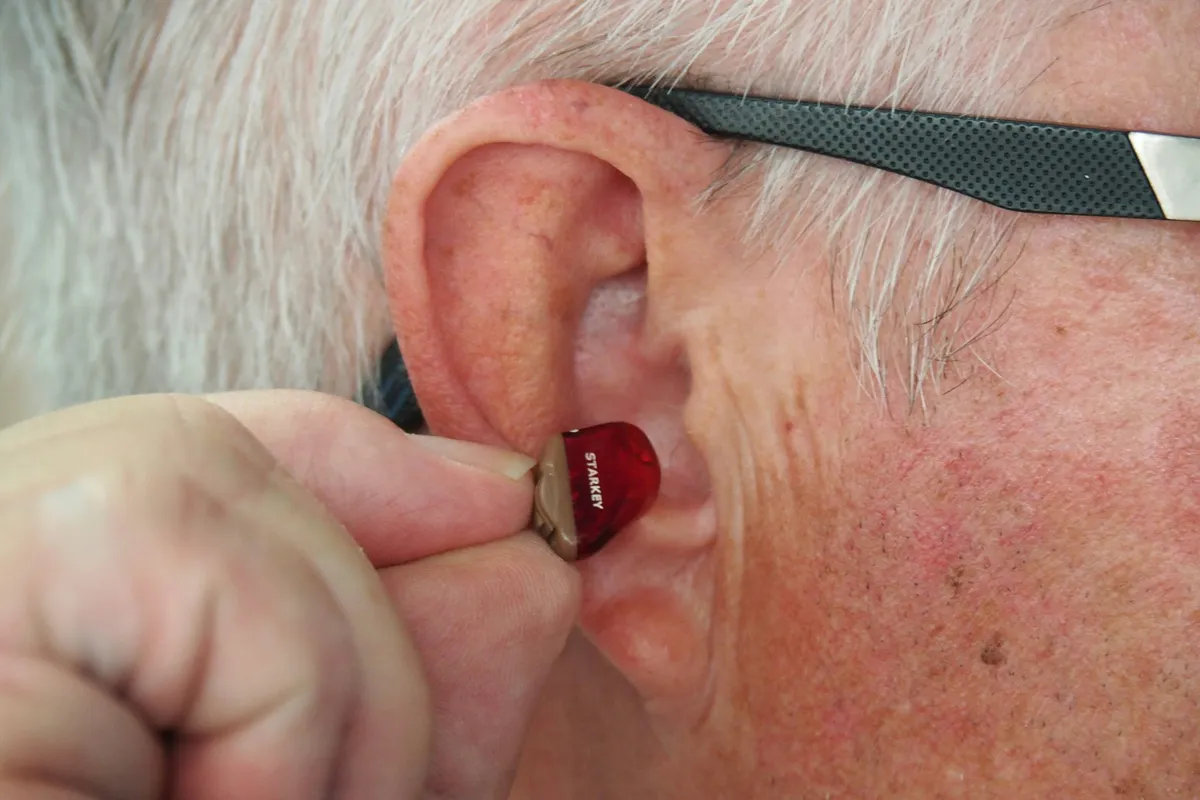
Someone shopping for an over-the-counter (OTC) hearing aid may have to sort through dozens of products, determine which ones are regulated by the FDA, figure out what insurance will cover and find an expert willing to help choose and set up a device. A new JAMA Viewpoint by UC San Francisco researchers says these hurdles show why making hearing aids available without a prescription, while an important step, has not been enough to ensure people can find and use the devices they need. "Over-the-counter hearing aids have opened the door for many people who might otherwise never have gotten hearing aids," said Kathryn A. D., a UCSF professor of health economics and health services research.
Medical Xpress·

Health
Chatham-Kent Health Alliance Foundation names new chair, vice-chair - Chatham Daily News
The CKHA Foundation board of directors has new faces in its leadership positions. Jason Gillett, left, is the new chair of the Chatham-Kent Health Alliance Foundation board of directors. Glenn Miller, right, is the new vice chair. (Supplied)
Chatham Daily News·

Health
New Alzheimer’s treatments bring leading care closer to home for patients - www.hospitalnews.com
Kingston Health Sciences Centre (KHSC) is expanding access to new treatments for Alzheimer’s disease, bringing emerging care closer to home for patients across southeastern Ontario who traditionally needed to travel to larger centres such as Toronto or Ottawa. These new disease-modifying treatments are designed to slow the progression of Alzheimer’s disease in eligible patients, with the greatest benefit expected when treatment begins in the earlier stages of the disease.
www.hospitalnews.com·
Health
Ageing doesn’t have to slow your knees down, here’s what helps - The New Indian Express
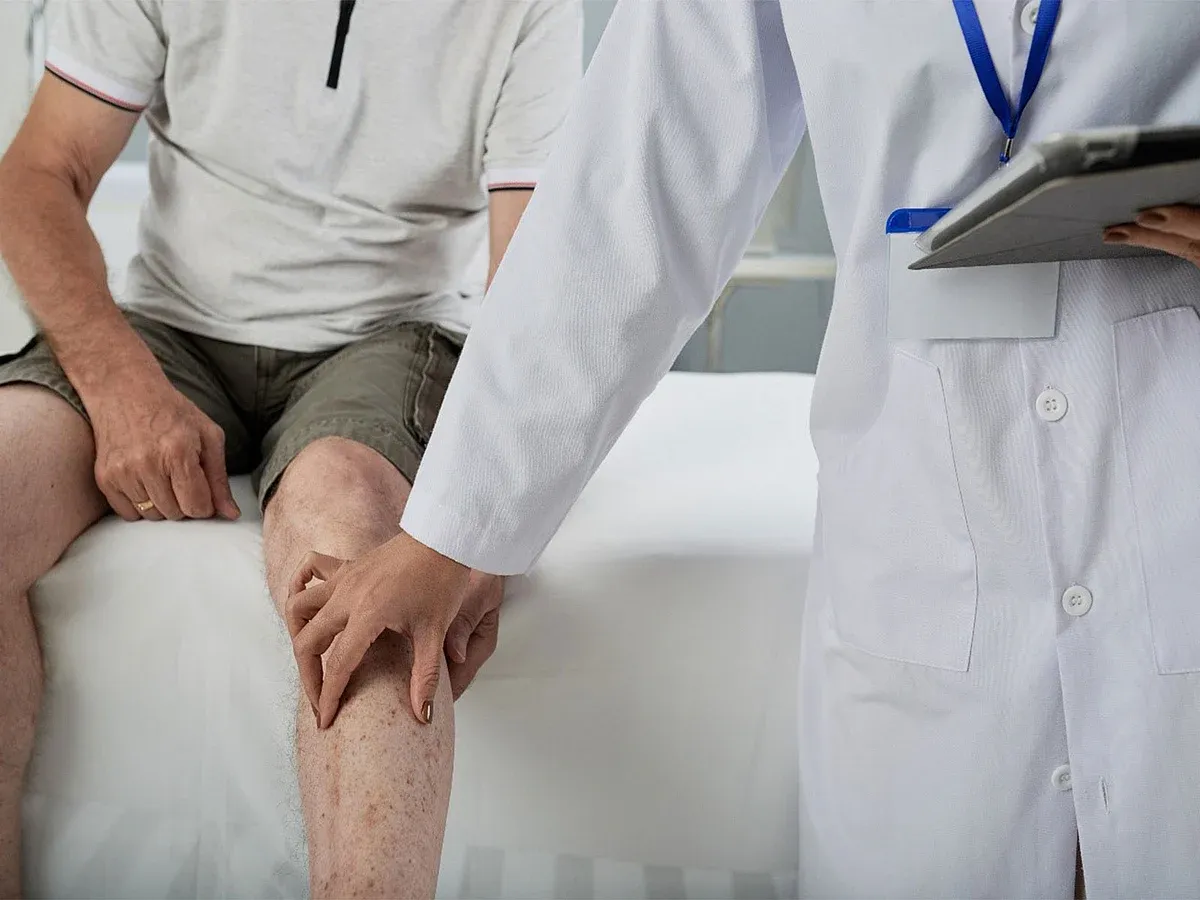
Knee health is influenced by several factors, including age, genetics, previous injuries, muscle strength and activity levels, say experts. Phot/ ANIUpdated on: 15 Oct 2026, 2:56 pm3 min readKnee pain is often brushed off as a part of getting older, or blamed entirely on a few extra kilos. The truth, however, is a little more complicated, and understanding it can help you protect your knees at any age. We spoke to an orthopaedic surgeon and a rheumatologist about how body weight and ageing affect the knees, what else plays a role, and which habits can keep joints moving well for longer. How body weight affects your knees“Although body weight is acknowledged as an important element in determining the health of the knees, the impact it has will vary according to factors such as a person’s age, muscle capacity, activity level as well as any health issues that may exist at an earlier stage,” says Dr. Sushil Sharma, Sr. Consultant (Joint & Knee Replacement Surgeon), Kailash Hospital, Noida.
The New Indian Express·

Health
Cannabis doesn’t make you violent – despite what recent reports have claimed - The Conversation
In what looked like a return to the dark days of Reefer Madness – a 1936 film that portrayed cannabis as a drug that could drive people to madness and murder – a recent article in the Daily Telegraph claimed that cannabis users are “twice as likely to be violent”. The claim comes from a systematic review by King’s College London that combined 63 studies covering more than 265,000 people. The researchers did, indeed, find a link between cannabis use and violence, but the headline overstates what the numbers can tell us.
The Conversation·
Health
How does diabetes affect your eyes? - ObserverXtra
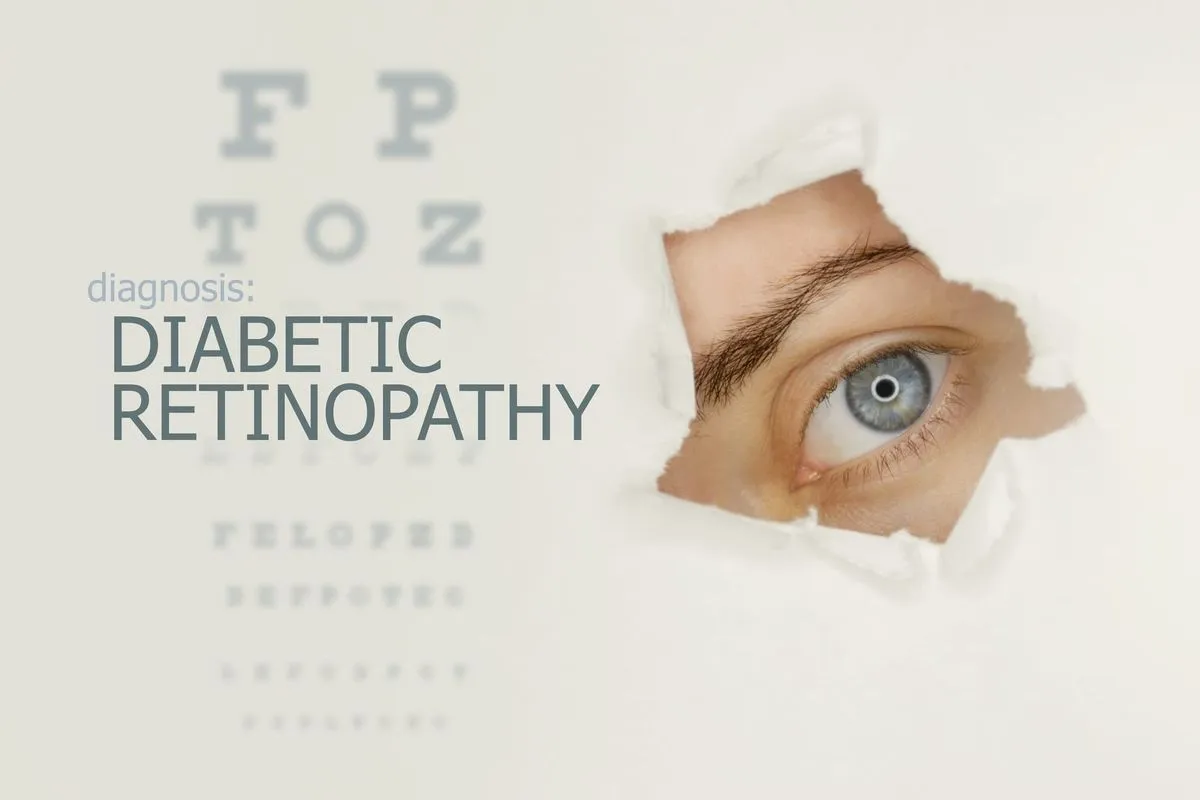
DEAR MAYO CLINIC: I know that diabetes can take a real toll on your body, but I didn’t know that it includes your eyes. How are they affected by this disease? ANSWER: While eye care and regular eye exams are important for everyone, they’re particularly vital for people with diabetes. Diabetes is a prevalent condition worldwide, affecting approximately 10% of the population. It’s caused by a problem in the way the body regulates and uses sugar as fuel. Diabetes is a systemic disease, which means it affects many organs, including the heart, blood vessels, nerves, kidneys and eyes.
ObserverXtra·

Health
One in five Illinois lawyers rates their mental health as fair or poor - Canadian Lawyer
New study addresses alcohol and drug use, gambling, stress within the state’s legal profession According to “The Weight of Practice,” a study sponsored by the Illinois Lawyers’ Assistance Program (Illinois LAP), 20 percent of the 6,778 lawyers surveyed in the state described their mental health as fair (16 percent) or poor (four percent).
Canadian Lawyer·

Health
Surrey mother whose son died of a brain tumour welcomes new plans - BBC
1 day agoJane TrumbleSouth EastEllie ThompsonBilly died 15 days before his fifth birthdayA mother whose son died of a brain tumour has welcomed government plans to speed up research into the disease. Ellie Thompson's son Billy passed away when he was four years old from an aggressive brain tumour. Speaking on BBC Radio Surrey, Ellie, from Great Bookham, praised Archie: "It is an honour to be alongside him and all the other amazing people that have lost someone or have brain tumours themselves. "That afternoon, Downing Street announced steps which it says means people living with brain cancer "will get a faster route from research to treatment". Ellie ThompsonBilly underwent radiotherapy treatment for his brain tumourEllie's son Billy was four years old when he died in her arms just five months after diagnosis. She said: "To be told there is nothing they can do apart from radiotherapy... it was hopeless. "Now Ellie says she and other campaigners are finally making change.
BBC·

Health
Ontario man finishes cross-Canada run in support for mental health awareness - CityNews Montreal
Myles Dininio set out from Newfoundland on April 1 and reached Vancouver on Aug. 22, completing a cross-country journey aimed at raising awareness about mental health and funds for Toronto’s Centre for Addiction and Mental Health.
CityNews Montreal·

Health
Billy Joel Offers Health Update in Rare Interview as He Prepares to Sell Prized Motorcycle Collection - The Hollywood Reporter
Billy Joel wants nothing more than to get back onstage. Whether he can is still an open question. “I have to take a series of tests before I know,” he tells The Hollywood Reporter. “I can’t drive right now. I’m not allowed to drive.”
The Hollywood Reporter·

Health
Optogenetic Therapy Restores Partial Vision - Optics & Photonics News
A gene therapy makes surviving retinal ganglion cells light-sensitive, allowing blind patients to detect objects using stimulating goggles. [Image: IOB, Veronique Juvin, 2021] An international team of researchers has shown that optogenetic therapy can improve the vision of people who have become blind through an inherited eye disease (N. Engl. J. Med., doi: 10.1056/NEJMoa2602215). Clinical tests showed that seven out of the 10 patients became more sensitive to light while some of the participants were also able to detect and reach for specific objects.
Optics & Photonics News·

Health
Raytracing-Guided LASIK Improves Visual Outcomes in Patients Dissatisfied after Cataract Surgery - Eyewire+
Raytracing-guided LASIK reduced higher-order aberrations approximately 70% in 55 pseudophakic eyes Visual acuity, residual astigmatism, and mesopic contrast sensitivity improved at 3 months.
Eyewire+·