Your Poop Is Not Reliable, At Least for Now - McGill University
This story deserves to be shared
Send it to someone who'd care, or post it on your networks.
This article is an excerpt. To read the full content, visit the original source. McGill University
Related articles
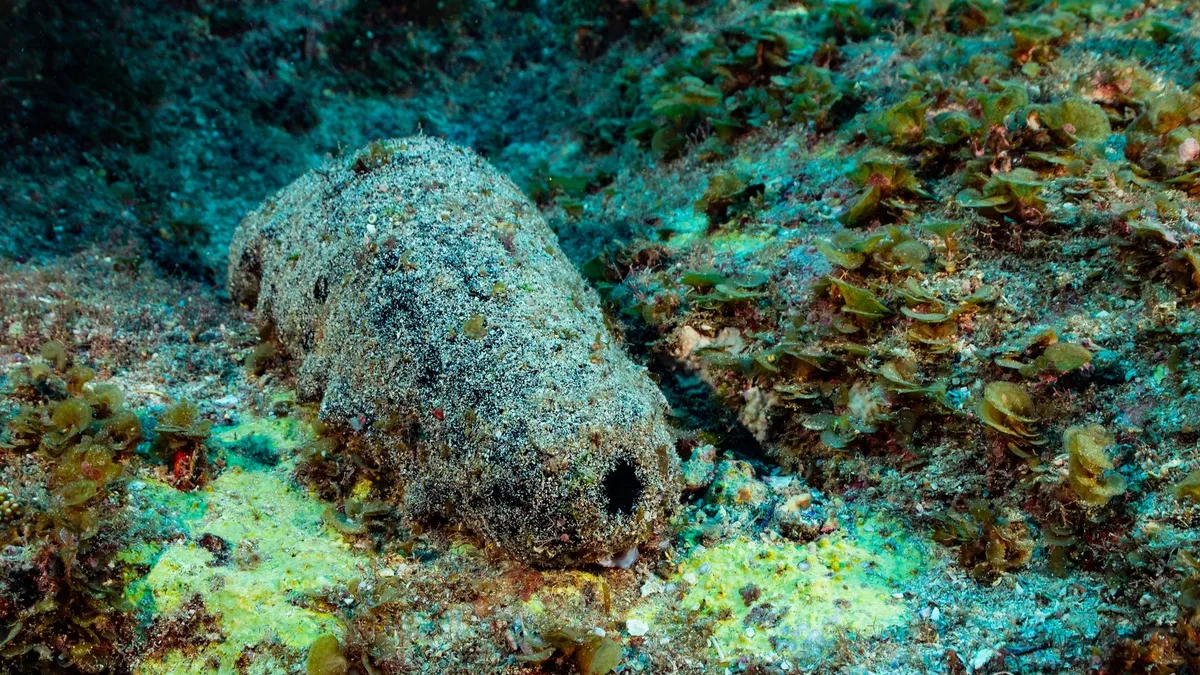
This Sea Creature Looks Like Poop. It May Also Live For 120 Years. - ScienceAlert
Somewhere in the world, surely, a Monkey's Paw is cackling maniacally to itself. Scattered across the Pacific and Indian Oceans, a humble sea cucumber named Holothuria (Microthele) whitmaei makes its home. This unassuming animal somewhat resembles poop, has been saddled with the lamentable common name "black teatfish", and is highly prized as a delicacy in some cultures – even though it has been listed as endangered for more than a decade. And yet, a new study has found, H. whitmaei may live for more than 120 years. In a genetic study spanning more than two decades, a team led by biologist Sven Uthicke of the Australian Institute of Marine Science has discovered that this species barely grows at all – and can live for an astonishingly long time. "Although individuals of some sea urchin species can live to over 100 years, deriving at a similar conclusion for the black teatfish was surprising," they write in a paper published in iScience. "This species is the first sea cucumber species known to surpass a longevity of a century.
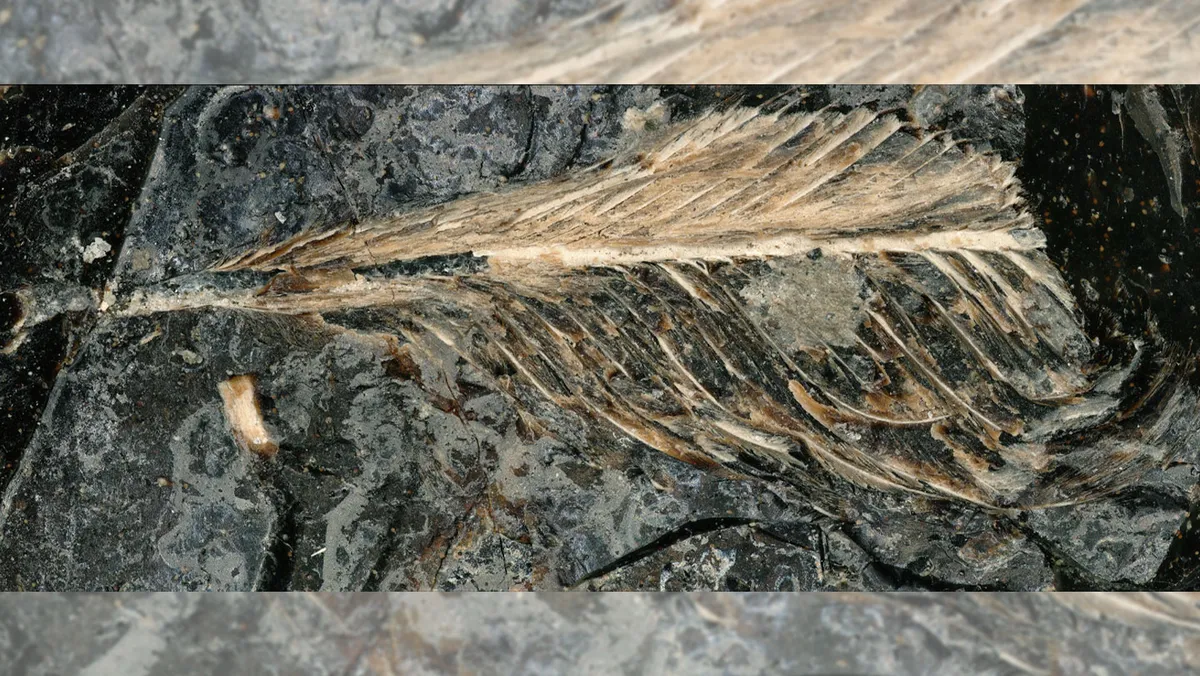
These are the first feathers ever found in fossilized dinosaur poop - Science News
The plumage may help explain why only some birds survived dino doomsday Feathers like this one (shown at 200x magnification) preserved in fossilized dung from a meat-eating dinosaur such as a juvenile T. rex or Nanotyrannus could help explain why only some birds went extinct at the end of the Cretaceous Period.
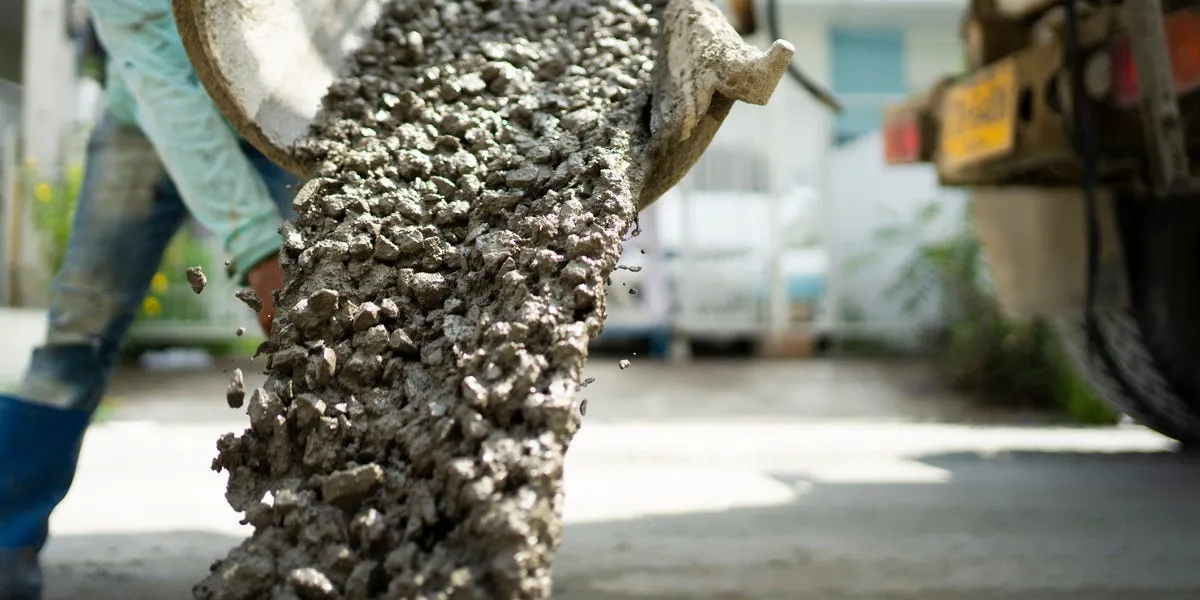
Scientists Have a Secret Ingredient for Better Concrete: Your Poop - Popular Mechanics
Here’s what you’ll learn when you read this story:Cement is responsible for 88 percent of the concrete industry’s total greenhouse gas emissions, which account for a staggering 8 percent of overall emissions worldwide. A new study focuses on a way to incorporate biochar, derived from human feces, to not only lower cement’s emissions but also improve its compression and strength. The study found that introducing between 5 to 10 percent of this porous, poop-based biochar created tiny reservoirs that provided the necessary water to form stable calcium silicates. Today’s world is built with concrete. Every year, the world produces roughly four billion tonnes of the moldable, durable slurry of sand, gravel, water, and cement. While concrete is necessary for the homes, office buildings, roads, and bridges to make life possible, its creation takes an environmental toll in more ways than one. A study earlier this year, for example, warned that countries are exceeding the rates at which Earth can naturally replenish river sand, the go-to aggregate for most concrete. But the most worrisome item on concrete’s ingredient list is cement.
0 comments
No comments yet. Be the first to share your thoughts!