Will Labor Day weekend be a washout? Here’s where rain could spoil plans
This story deserves to be shared
Send it to someone who'd care, or post it on your networks.
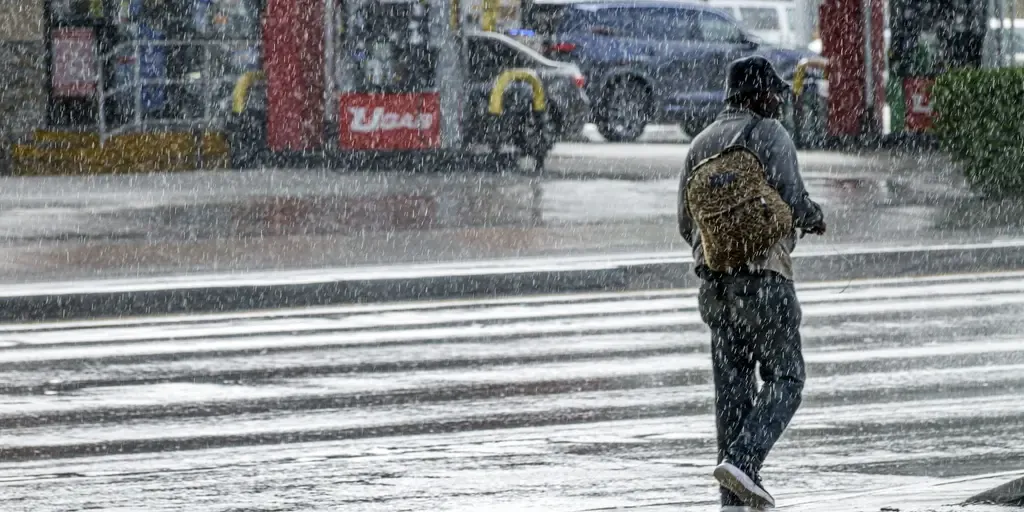
The holiday weekend is here, and millions of Americans are bracing to enjoy the last bit of warm weather for Labor Day before fall's cooling effects begin. As the holiday brings one of the last chances to enjoy the great outdoors with family, prediction markets at Kalshi are weighing the odds that rain will affect major cities this weekend. Experts at Kalshi are predicting an 85% chance of rain to dampen outdoor plans for thousands of people in Miami, along with an 81% chance for Seattle.10 OF AMERICA'S HIDDEN GEM SPOTS YOU CAN'T MISS THIS SUMMERIt is also worth noting that Boston has a 67% chance of precipitation. Other locations also have a substantial chance of wet weather, according to Kalshi. Saturday weather threatStarting Saturday, weather conditions will develop, especially in the Southeast, Four Corners and Southwest regions. Tropical downpours will plague Florida as easterly winds push moisture from the Atlantic Ocean into the region, fueling severe storms.
This article is an excerpt. To read the full content, visit the original source. Fox Weather
Related articles

Hemophilia A: Emicizumab to Denecimig Switching Safe Without Loading Dose, Washout Period - DocWireNews
In hemophilia A management it is possible to safely without a loading dose or washout period switch patients’ bleeding prophylaxis from emicizumab to the bispecific IgG4 antibody denecimig. This is based on results from the FRONTIER5 phase 3b, open-label study. “The direct switch from emicizumab to denecimig without a washout period was well tolerated in adolescents and adults with HA [hemophilia A] with or without inhibitors. No new safety concerns were observed,” wrote FRONTIER5 first author Cédric Hermans, MD, PhD, of the Catholic University of Louvain in Brussels, Belgium, with colleagues in Journal of Thrombosis and Haemostasis, where the researchers published their findings. In written remarks forwarded to Heme Today, Dr. Hermans stated that “FRONTIER5 could make haemophilia care more flexible by providing evidence to guide switching between FVIII-mimetic bispecific antibodies. For patients and clinicians considering denecimig, it supports a transition without washout or loading dose under the studied protocol, reducing the complexity of changing prophylaxis.
Orionid meteor shower 2026: cloud cover forecast by region
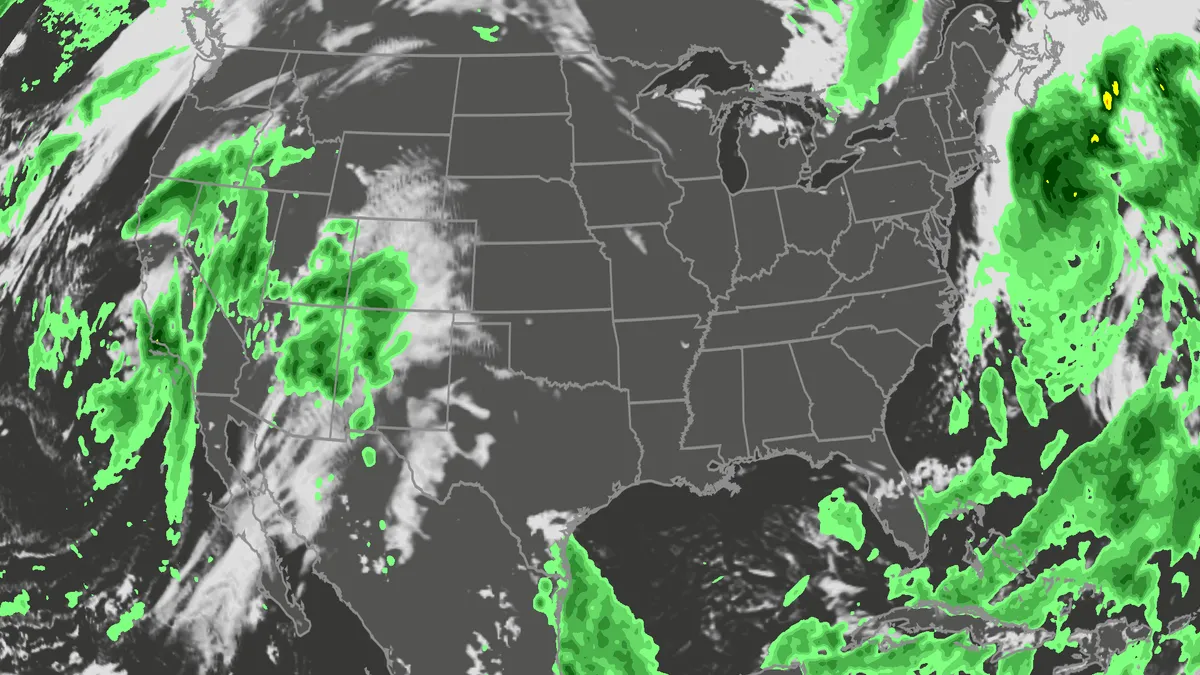
A meteor streaks across the sky over a desert in China during the Orionid meteor shower on Oct. 22, 2023.(VCG/VCG via Getty Images)The Orionid meteor shower is peaking this week, and it promises to be one of the most dazzling displays of the year. And while some of you will have clear skies, rain and clouds could impact the view for others. Here's what you need to know about the Orionids and your forecast:Fast factsPeak day: The meteor shower peaks Wednesday night, Oct. 21, into the early hours of Thursday morning, Oct. 22. Peak time: From midnight to dawn are the best hours to catch the meteors streaking through the sky, so plan on a late night or really early morning. What the Orionids are known for: The Orionid meteors are known for their brightness and their speed. As they streak across the sky at around 41 miles per second, the meteors leave behind a glowing "train" that can last several seconds to minutes. While you can make the perfect plan to catch the Orionids, the key to stellar viewing is still in Mother Nature's hands. The good news is that many of you should have good meteor shower-watching conditions. Much of the central and eastern U. S.
Can duct tape keep out flood water? Here's what lab tests found
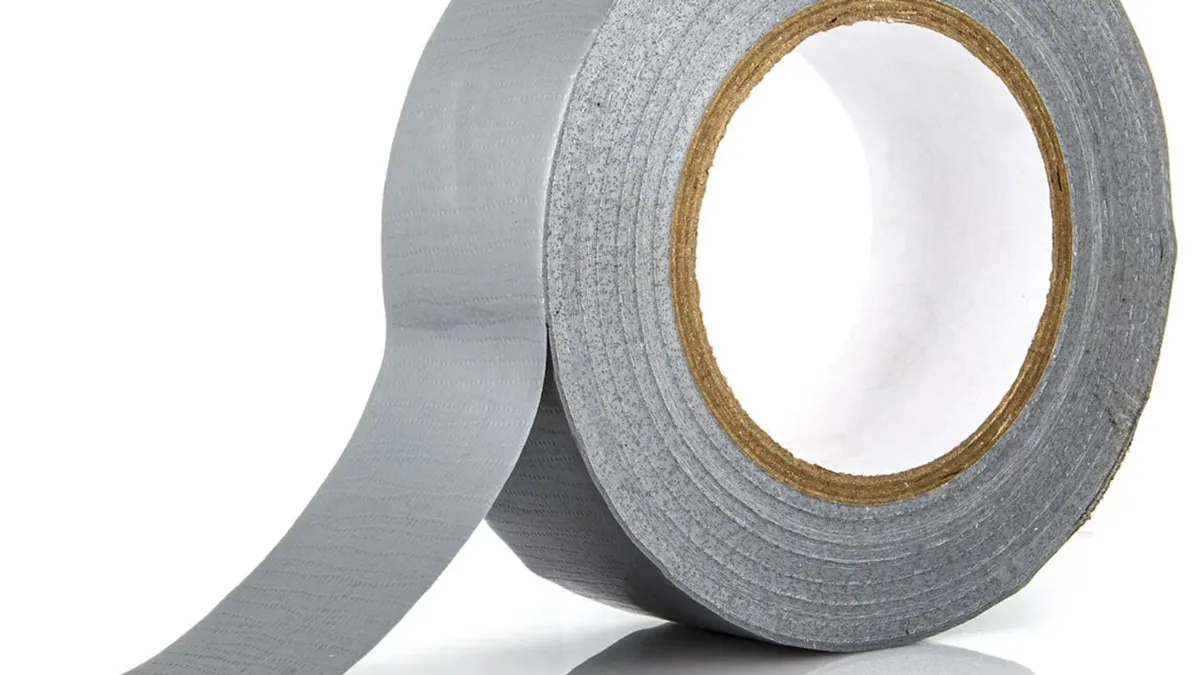
(urbanbuzz/shutterstock)Could a cheap roll of duct tape help protect your home from flooding? New research suggests it could make a surprisingly big difference. In controlled tests, correctly applied duct tape on the outside of a household door reduced water leakage by 97-98%. The findings suggest that a simple low-cost measure could substantially reduce the amount of water entering a home during a flood. This is important as one of the key lessons from flood resilience research is that the best time to protect a property is before floodwater arrives. The UK government’s 2025 FloodReady Review called for practical, affordable measures that help households understand their risks and to prepare for flooding. And one potential contribution to this agenda might sound unlikely, at first glance. Duct tape is more commonly associated with household repairs than flood protection. However, tests colleagues and I conducted at the University of Hull demonstrated how much water can enter a property through an unprotected doorway during a flood. Three doors, ready for flood-testing.
0 comments
No comments yet. Be the first to share your thoughts!